Is EVA Fabric or Foam Material? Complete Guide to EVA Explained
EVA (Ethylene Vinyl Acetate) is widely used in footwear, orthotic insoles, sports equipment, packaging, and many industrial cushioning products. Because it often appears in soft, fabric-lined products, many people assume it is a type of textile fabric.
However, this is a common misunderstanding. EVA is not a fabric—it is a foam polymer material.
In this article, we will clarify what EVA actually is, why it is confused with fabric, and how it is used in real industrial applications.
What Is EVA Material?
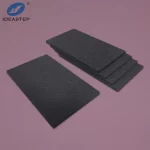
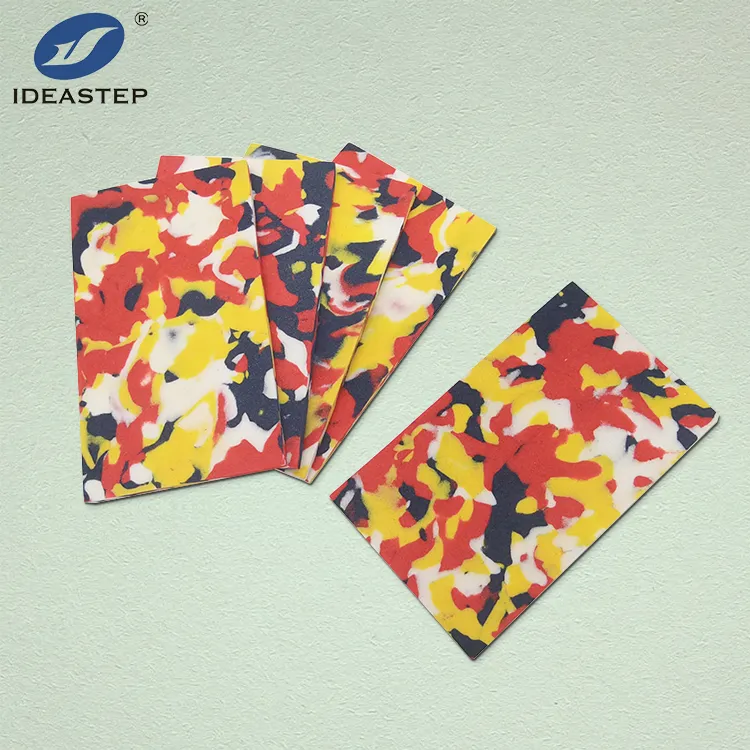
EVA (Ethylene Vinyl Acetate) is a thermoplastic copolymer made from ethylene and vinyl acetate. Through a foaming process, it is transformed into a lightweight, flexible foam structure.
From a materials engineering perspective, EVA is typically processed through injection foaming or compression molding to create a closed-cell foam structure. Its properties—such as density, hardness, and rebound—can be adjusted during production depending on the application.
In simple terms, EVA is:
- A synthetic polymer material
- A foamed cushioning material
- Not a woven or knitted textile
Is EVA a Fabric or Foam?
EVA is not a fabric.
Fabrics are made by weaving or knitting fibers such as cotton, polyester, or nylon. EVA, on the other hand, is produced through chemical foaming and molding processes.
To make the difference clear:
- Fabric → fiber-based textile structure
- EVA → foam-based polymer material
Because EVA is soft and flexible, it is sometimes mistakenly referred to as “fabric-like material.” However, this is only a surface-level perception, not a technical classification.
Why Is EVA Often Confused With Fabric?
This confusion usually comes from real product applications rather than material science.
1. Used in Fabric-Layered Products
In footwear and insoles, EVA is often combined with textile layers such as mesh, velvet, or microfiber. As a result, users may assume EVA itself is a fabric component.
2. Soft and Flexible Texture
EVA foam feels soft and compressible, which is similar to some padded textile structures used in consumer products.
3. Common in Everyday Products
EVA is widely found in:
- Shoe midsoles
- Foam sandals
- Yoga mats
- Protective packaging
Because these products often include fabric components, the material distinction becomes unclear to end users.
Key Properties of EVA Foam Material
EVA is not valued for textile characteristics, but for its functional engineering performance.
1. Lightweight Structure
EVA foam has low density, making it suitable for products where weight reduction is important, such as footwear midsoles.
2. Shock Absorption
It effectively absorbs impact forces, reducing pressure during walking or physical activity.
3. Water Resistance
Due to its closed-cell structure, EVA does not easily absorb water, making it suitable for outdoor and moisture-prone environments.
4. Flexibility and Resilience
EVA can compress and recover repeatedly under normal use conditions without cracking or breaking.
EVA vs Fabric: What Is the Real Difference?
Understanding the difference helps avoid material confusion in product development.
Fabric Materials (Cotton, Polyester, Nylon)
- Made from fibers
- Breathable and flexible in structure
- Used for clothing and textiles
- Produced through weaving or knitting
EVA Foam Material
- Made from polymer foaming process
- Non-breathable solid foam structure
- Used for cushioning and support
- Molded or cut into shape
In summary, fabric is a textile-based material designed for wearability, while EVA is an engineered foam material designed for cushioning and structural support.
Applications of EVA in Industry
EVA is widely used across multiple industries due to its balance of performance and cost efficiency.
Footwear Industry
- Midsole cushioning layers
- Comfort and shock-absorbing components
- Sandal and slipper soles
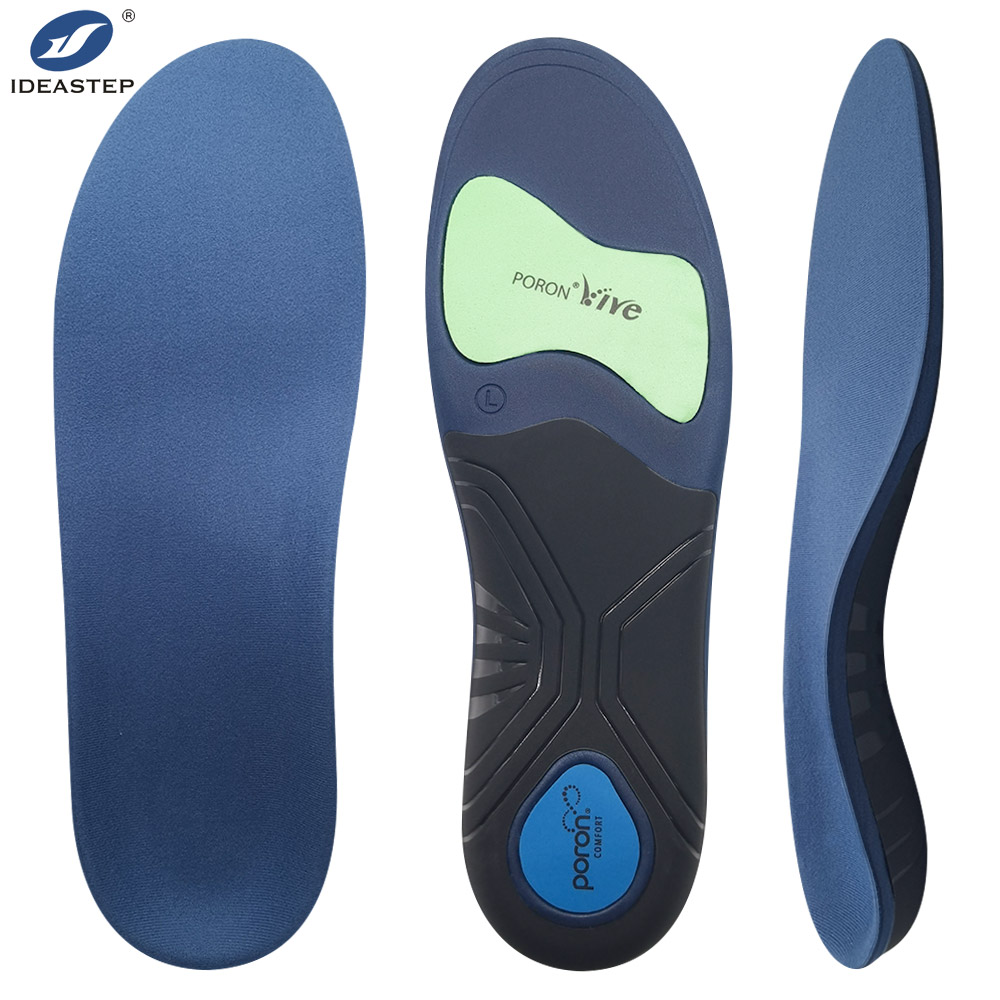
Orthotic Insoles
- Arch support bases
- Cushioning layers for pressure relief
- Custom insole materials
Sports and Fitness Products
- Yoga mats
- Protective padding
- Helmets and protective gear
Packaging Industry
- Shock-absorbing inserts
- Protective foam structures for transport
Industrial Perspective: How EVA Is Actually Used
In manufacturing, EVA is rarely used alone as a final surface material. Instead, it is often integrated into multi-layer systems.
In most cases, EVA serves as a functional foam layer combined with textiles, PU foams, or other polymer materials to improve comfort, stability, and durability in the final product.
From a production standpoint, EVA is valued because it offers:
- Stable processing performance
- Adjustable density control
- Efficient mass production capability
Is EVA Better Than Fabric?
EVA is not better or worse than fabric—they serve completely different functions.
- Fabric focuses on breathability, comfort, and wearability
- EVA focuses on cushioning, shock absorption, and structural support
In many modern products, both materials are used together rather than competing with each other.
Final Thoughts
EVA is often mistaken for a fabric due to its soft texture and wide use in consumer products. However, technically speaking, it is a foam polymer material rather than a textile fabric.
To summarize:
- EVA is not a fabric
- It is a synthetic foam material
- It is designed for cushioning and support, not weaving or clothing
In real-world applications, EVA plays a critical role in footwear, orthotics, and industrial cushioning systems because of its lightweight structure, shock absorption, and manufacturing flexibility.
Ultimately, understanding the difference between EVA and fabric helps in selecting the right material for product design, performance requirements, and industrial applications.
Recommended Reading: What Is An EVA Sole In Footwear?.