Introduction
EVA (Ethylene Vinyl Acetate) ranks among the most widely used foam materials in modern footwear manufacturing. It plays a key role in midsoles, cushioning systems, and orthotic insoles because it balances weight reduction, shock absorption, and processing flexibility.
From a materials engineering perspective, EVA is not a simple “soft foam.” Engineers treat it as a tunable polymer system. Density, foam structure, and formulation all directly influence its performance.
What Is EVA Sole Material?
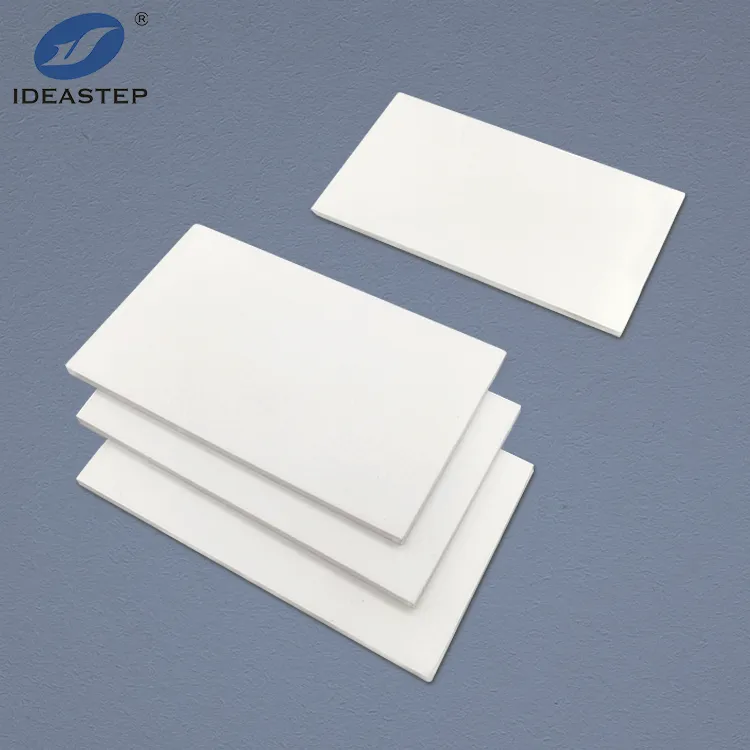
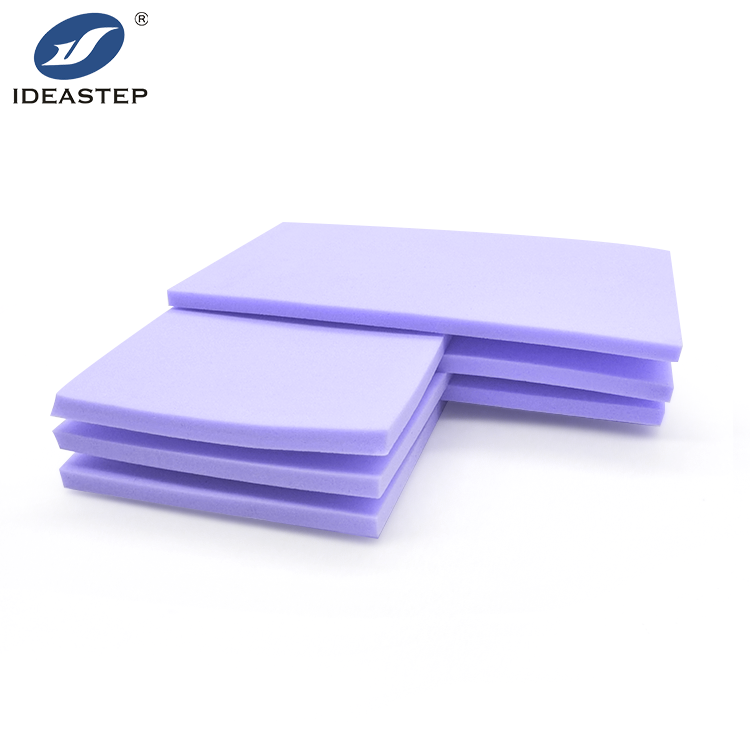
EVA stands for Ethylene Vinyl Acetate, a closed-cell foam polymer created through copolymerization and controlled foaming processes.
In footwear manufacturing, EVA commonly serves as:
- Midsole cushioning layer
- Shock-absorbing insole base
- Lightweight structural foam in shoe soles
Unlike rubber or TPU, EVA does not target abrasion resistance. Engineers value it mainly for energy absorption and weight reduction.
Key Physical Properties of EVA Foam in Footwear
Lightweight Structure
EVA foam has lower density than rubber and polyurethane, so footwear engineers choose it to reduce overall shoe weight.
Lower weight improves performance in several ways:
- Reduces energy cost during walking or running
- Improves comfort during long wear
- Lowers fatigue in occupational footwear
Shock Absorption and Energy Dissipation
The closed-cell structure compresses under load and absorbs impact forces during ground contact.
This behavior matters most in:
- Running shoes
- Work shoes for long standing hours
- Orthotic insoles that redistribute plantar pressure
EVA does not store energy efficiently like TPU foams. Instead, it dissipates impact energy and prioritizes comfort over rebound.
Flexibility and Density-Dependent Behavior
Engineers adjust EVA performance through density control:
- Low-density EVA delivers softer cushioning but reduces stability
- High-density EVA increases firmness and structural support
This tunability explains why OEM footwear developers rely heavily on EVA for different product categories.
Compression Set and Durability Limitations
EVA tends to develop compression set, which means it permanently deforms after repeated loading cycles.
Manufacturers address this issue by:
- Blending EVA with rubber or TPU compounds
- Increasing density in high-stress zones
- Restricting EVA to cushioning layers instead of load-bearing structures
Where EVA Soles Are Used in Footwear Manufacturing
Athletic Footwear
EVA remains a standard midsole material in running and training shoes. It reduces impact stress during repetitive movements such as running or jumping.
Casual and Lifestyle Shoes
In everyday footwear, EVA improves walking comfort and reduces fatigue during prolonged use.
Work and Industrial Footwear
Workers in logistics, manufacturing, and healthcare benefit from EVA because it reduces plantar pressure during long standing hours.
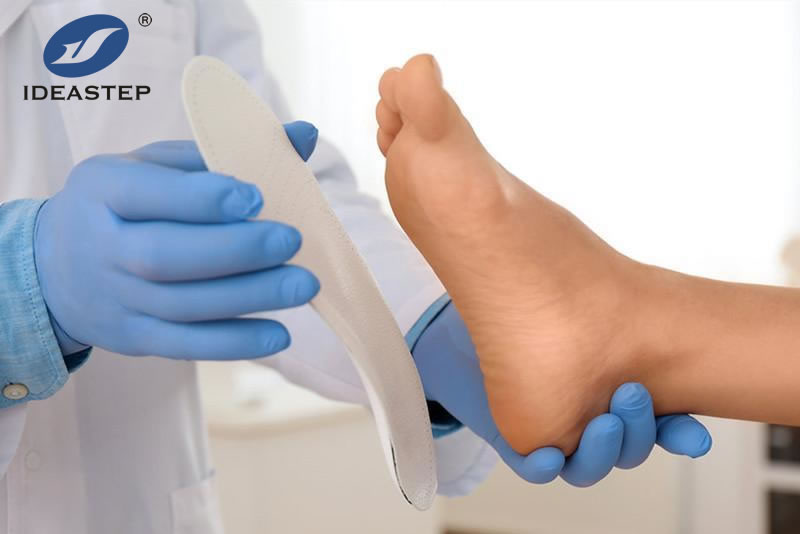
Orthotic Insoles and Foot Health Products
Orthotic systems often use EVA as a mid-layer cushioning material inside a multi-layer structure.
A typical orthotic design includes:
- Top comfort layer (fabric or antimicrobial foam)
- EVA cushioning layer for shock absorption
- Structural support layer made of TPU or rigid thermoplastic
This structure improves plantar pressure distribution, gait stability, and long-term wearing comfort.
EVA vs Other Footwear Sole Materials
EVA vs Rubber
EVA delivers lightweight cushioning but wears faster. Rubber provides stronger durability and grip but increases weight.
EVA vs PU (Polyurethane)
EVA feels softer at first contact and weighs less. PU maintains durability and resilience over time.
EVA vs TPU
EVA focuses on cushioning, while TPU focuses on structural support and energy return.
Engineers often combine EVA and TPU in orthotic systems to balance comfort and biomechanical support.
Why EVA Remains Critical in Orthotic Insole Design
In orthotic manufacturing, EVA does not function as a corrective material alone. Instead, it works as a cushioning interface between the foot and structural support layers.
It plays three key roles:
- Reduces impact forces during heel strike
- Redistributes plantar pressure across the foot
- Improves comfort without affecting corrective structure
EVA cannot provide correction on its own, but it plays an essential role in load management.
Material Selection Strategy for EVA Soles
Engineers do not select EVA based only on softness or hardness. They evaluate performance through several technical parameters.
- Density, which controls firmness and stability
- Compression set resistance under repeated load
- Foam cell structure consistency
- Compatibility with TPU or PU layers
OEM and ODM projects select EVA based on biomechanical requirements rather than comfort alone.
Future Trends in EVA Footwear Materials
The EVA material system continues to evolve in several directions:
- Recyclable and low-carbon EVA foams
- High-rebound EVA compound systems
- Hybrid EVA + TPU energy-return midsoles
- Integration with 3D printed orthotic structures
Conclusion: Why EVA Sole Material Remains Industry Standard
EVA remains a foundational footwear material because it balances weight reduction, cushioning performance, manufacturing flexibility, and cost efficiency.
New materials like TPU and advanced foams outperform EVA in specific metrics, but EVA still dominates midsole and orthotic cushioning applications because it delivers consistent, reliable performance at scale.
From an engineering standpoint, EVA may not represent the most advanced material, but it remains one of the most commercially stable and functionally balanced solutions in footwear design.
For more information on EVA , visit this page: https://www.aideastep.com/eva/.