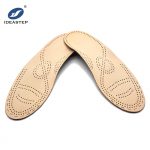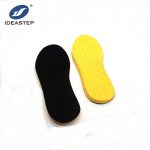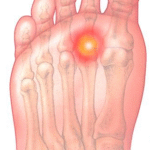
The demand for personalized foot care products is increasing as healthcare providers, footwear brands, and distributors look for reliable solutions beyond traditional insoles. Unlike standard inserts with fixed designs, custom shoe inserts are developed based on specific foot structures, footwear requirements, and application needs.
For businesses in the medical, sports, and footwear industries, customized insoles require more than comfortable materials. Product performance depends on accurate design, suitable material selection, manufacturing consistency, and professional customization capabilities.
As an experienced custom insole manufacturer, Ideastep provides OEM and ODM solutions that help global customers develop customized foot support products, from material selection and structural design to bulk production.
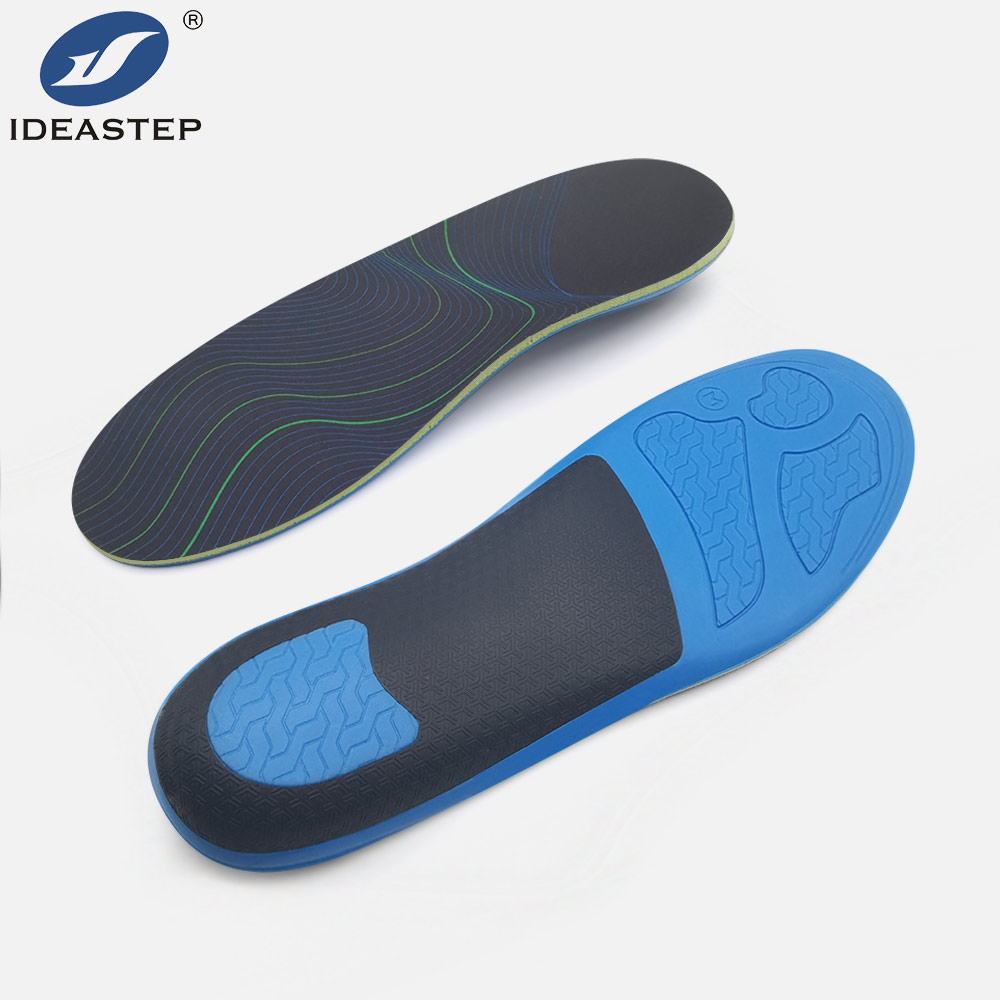
What Are Custom Shoe Inserts?
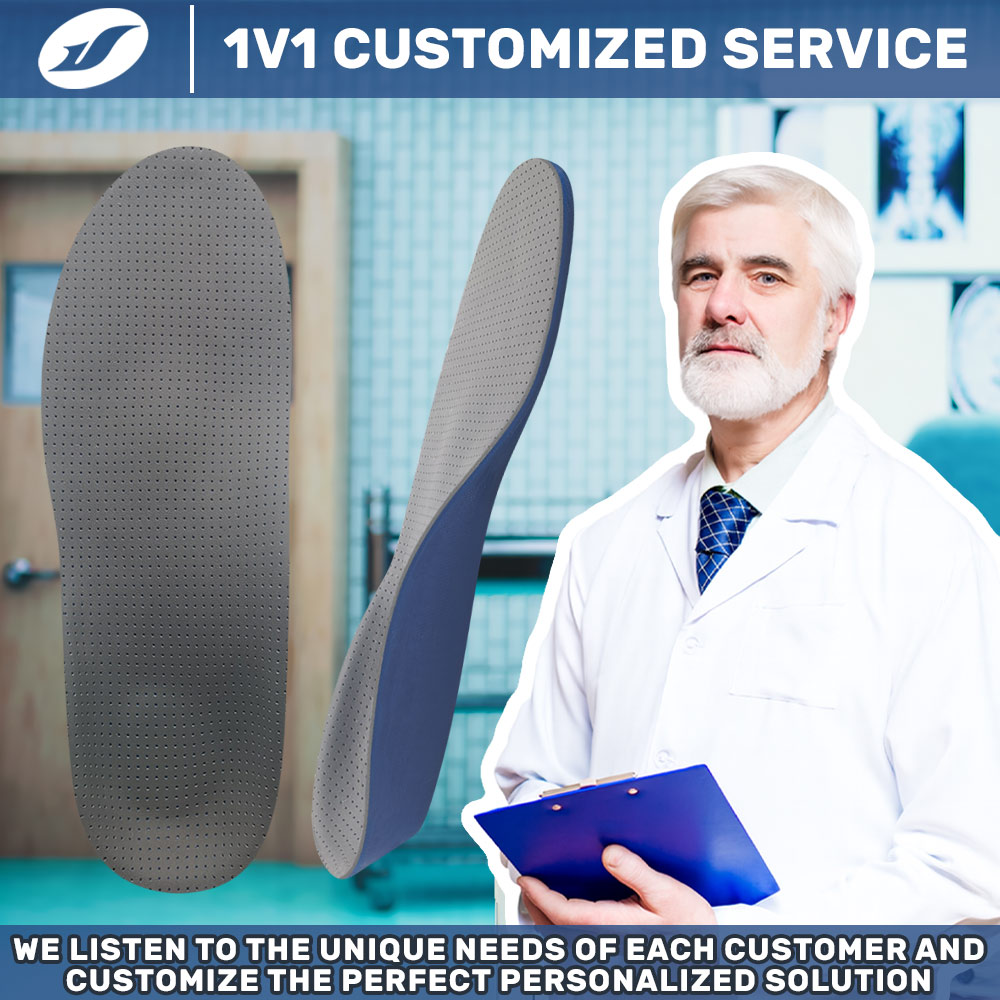
Custom shoe inserts are specially designed insoles created to match individual foot characteristics, support requirements, and footwear applications. Unlike mass-produced insoles, which are made according to general sizes and shapes, custom inserts allow manufacturers to adjust the structure, density, and support areas for different users.
A professionally designed custom shoe insert may include:
- Customized arch support based on different foot structures
- Heel stabilization areas for improved support
- Pressure distribution zones for better balance
- Multi-density cushioning layers for different applications
Custom shoe inserts are widely used in medical footwear, sports shoes, work boots, safety footwear, and children’s orthopedic applications. For brands and distributors, customized production also creates opportunities for private labeling, product differentiation, and market expansion.
Custom Shoe Inserts vs Standard Insoles: What Is the Difference?
Standard insoles are designed for general comfort, but they cannot fully address differences in foot shape, movement patterns, and usage environments. Custom shoe inserts focus on creating a more targeted support structure.
| Feature | Standard Insoles | Custom Shoe Inserts |
|---|---|---|
| Design Method | General sizing and structure | Customized design based on requirements |
| Support Level | Fixed support | Adjustable support zones |
| Material Options | Limited combinations | Multiple foam and reinforcement options |
| Applications | General footwear | Medical, sports, industrial, and specialty footwear |
| Customization | Limited | OEM, ODM, logo, and packaging customization |
The main advantage of custom shoe inserts is not simply adding extra cushioning. The key value lies in designing the right balance between support, flexibility, durability, and comfort for a specific application.
Why Personalized Fit Matters in Custom Shoe Inserts
Every foot has unique characteristics, including arch height, foot shape, pressure distribution, and walking patterns. A personalized fit allows manufacturers to create insoles that better match different requirements.
Customized Arch Support
The arch area plays an important role in foot stability and weight distribution. Custom shoe inserts can be designed with different arch profiles to support low arches, medium arches, or high arches according to specific needs.
Improved Pressure Distribution
Different areas of the foot experience different levels of pressure during standing and walking. By combining materials with different densities, manufacturers can create targeted cushioning and support zones.
Better Footwear Compatibility
Professional custom inserts are developed according to the footwear application. Running shoes, safety boots, casual footwear, and medical shoes may require different thicknesses, structures, and material combinations.
How Are Custom Shoe Inserts Manufactured?
Developing high-quality custom orthotic insoles requires a combination of design knowledge, material expertise, and manufacturing experience. A typical production process includes several important stages.
1. Foot Assessment and Requirement Analysis
The customization process begins with understanding the product requirements. Depending on the application, manufacturers may consider foot measurements, scanning data, pressure distribution, footwear type, and target market requirements.
2. Customized Insole Design
Engineers then develop the insole structure based on functional requirements. Key design elements may include:
- Arch support structures
- Heel cushioning systems
- Metatarsal support areas
- Shock absorption layers
- Reinforcement components
3. Material Selection
Material selection directly affects the performance of custom shoe inserts. Different applications require different combinations of cushioning, support, flexibility, and durability.
Materials Used in Custom Shoe Inserts
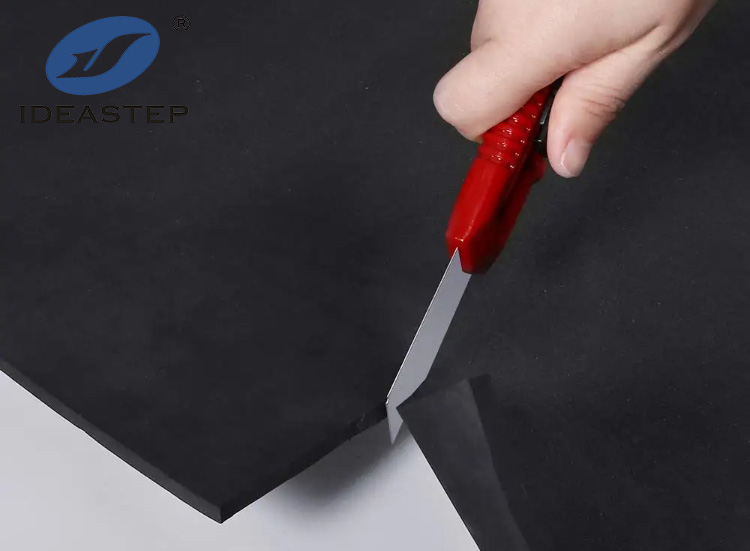
EVA Foam
EVA foam is one of the most commonly used materials in custom shoe inserts due to its lightweight structure, flexibility, and excellent shock absorption properties.
In professional insole manufacturing, EVA density and hardness can be adjusted according to different applications. Softer EVA provides enhanced cushioning, while higher-density EVA offers stronger support and durability.
EVA foam is widely used in:
- Custom orthotic insoles
- Sports footwear inserts
- Comfort insoles
- Children’s orthopedic products
PU Foam
PU foam provides excellent resilience and long-term cushioning performance. It is often selected for applications where users require consistent comfort during extended periods of standing or walking.
TPU Materials
TPU is commonly used in custom insoles that require additional structural support and durability. It can be combined with foam materials to create lightweight but stable insole designs.
Applications of Custom Shoe Inserts
Medical and Healthcare Applications
Healthcare providers and foot care companies often use custom orthopedic shoe inserts to develop professional foot support products. These applications typically focus on comfort, stability, and long-term usability.
Common applications include:
- Podiatry products
- Rehabilitation footwear
- Medical footwear programs
- Diabetic foot care solutions
Sports and Performance Footwear
Athletes and sports brands require lightweight and durable insole solutions. Custom inserts can be designed for running shoes, training footwear, hiking shoes, and other performance applications.
Work Boots and Safety Footwear
Workers who spend long hours standing or walking need footwear that provides reliable support. Custom shoe inserts for work boots can improve wearing comfort through optimized cushioning and support structures.
Children’s Orthopedic Insoles
Children’s footwear requires careful consideration because foot structures continue developing. Custom-designed inserts can provide comfortable support while maintaining flexibility.
OEM Custom Shoe Inserts for Brands and Distributors
For footwear brands, healthcare suppliers, and wholesalers, choosing an experienced custom shoe inserts manufacturer is essential for developing competitive products.
Professional OEM and ODM services may include:
- Customized insole structure development
- Material selection and formulation adjustment
- Logo and private label customization
- Packaging solutions
- Bulk production support
A reliable manufacturing partner helps companies reduce development time while maintaining consistent product quality for different markets.
How to Choose a Reliable Custom Insole Manufacturer?
When selecting a supplier, businesses should evaluate several important factors:
- Manufacturing experience: Professional knowledge of materials, design, and production processes.
- Customization capability: Ability to support OEM, ODM, and private label projects.
- Quality control: Stable production processes and material inspection systems.
- Production capacity: Ability to support consistent bulk orders.
Why Choose Ideastep for Custom Shoe Inserts?
Ideastep specializes in customized foot care solutions, providing OEM and ODM manufacturing services for global customers in healthcare, footwear, and sports industries.
With experience in EVA foam solutions and custom insole development, Ideastep supports customers with product design, material selection, prototype development, and bulk manufacturing.
Whether you are developing medical insoles, sports inserts, or private label footwear products, a professional manufacturing partner can help turn product concepts into reliable market solutions.
Frequently Asked Questions About Custom Shoe Inserts
Are custom shoe inserts better than regular insoles?
Custom shoe inserts are designed according to specific requirements, while regular insoles are made for general comfort. Customized designs allow more flexibility in support structure and material selection.
Can custom shoe inserts be produced for different footwear types?
Yes. Manufacturers can develop custom inserts for running shoes, work boots, safety footwear, casual shoes, and medical footwear.
Can businesses order custom shoe inserts in bulk?
Yes. OEM and ODM manufacturers provide bulk customization services, including product design, branding, packaging, and production support.
Conclusion
Custom shoe inserts provide a professional approach to personalized foot support by combining customized design, advanced materials, and manufacturing expertise.
For healthcare companies, footwear brands, and distributors, working with an experienced custom insole manufacturer allows them to develop reliable products that meet different market requirements.