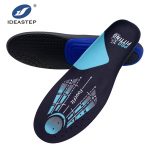
For people with flat feet, comfort is not the only consideration when choosing an insole. The right support structure plays an important role in how pressure is distributed through the foot during standing and walking.
In professional orthotic applications, Arch Support Insoles for Flat Feet are designed to provide a balance between arch support, cushioning, stability, and long-term wear comfort. Unlike basic foam inserts that mainly focus on softness, functional arch support insoles consider foot structure and movement requirements.
For healthcare providers, footwear companies, and orthotic brands, developing effective flat feet insoles requires careful evaluation of support design, material performance, and manufacturing capability.

Understanding Flat Feet and Foot Stability
What Are Flat Feet?
Flat feet describe a foot structure where the natural arch appears lower or less defined. The foot arch normally helps distribute body weight and absorb forces during movement.
When the arch structure changes, pressure distribution and foot stability may also be affected. This is why many users look for supportive footwear solutions that provide additional structure instead of simple cushioning.
How Flat Feet Affect Daily Activities
Foot structure influences comfort during standing, walking, and physical activity. Users with flat feet may require additional support when they spend long periods on their feet.
Common applications where additional support may be considered include:
- Long-standing occupations
- Daily walking footwear
- Sports and active footwear
- Work and safety shoes
How Arch Support Insoles Help Flat Feet
Arch support insoles for flat feet are developed to create a more stable foundation inside footwear. The goal is not only to add cushioning but also to improve the relationship between the foot, insole, and shoe.
Provides Additional Arch Support
A properly designed arch support structure helps reinforce the medial arch area and provides additional support during weight-bearing activities.
Professional insole designs usually focus on finding the right balance. Too little support may not meet functional requirements, while excessive rigidity may affect comfort.
Improves Foot Stability
Foot stability depends on how forces move between the heel, arch, and forefoot areas.
Well-designed support insoles use specific support zones to create a more consistent platform inside footwear. This approach helps product developers create solutions for different applications, from daily comfort products to professional orthotic systems.
Supports Better Pressure Distribution
Pressure distribution is an important factor in flat feet insole design. Manufacturers often optimize different areas of an insole to improve overall balance.
- Heel area for cushioning and stability
- Arch area for structural support
- Forefoot area for comfort during movement
Key Features of Professional Flat Feet Insoles
Proper Arch Height Design
Not every user requires the same level of arch support. Professional manufacturers consider different foot structures and application requirements when developing support profiles.
Common options include:
- Low arch support designs
- Medium support structures
- Higher support options
Cushioning and Shock Absorption
Support and comfort need to work together. Many professional insoles combine structural components with cushioning materials to improve wearing experience.
Common cushioning materials include EVA foam, PU foam, and gel components.
Lightweight and Durable Construction
For daily-use products, weight and durability are important factors. Users expect insoles to provide support without creating additional bulk inside footwear.
Manufacturers often select materials based on the balance between flexibility, resilience, and long-term performance.
Material Selection for Arch Support Insoles
Material selection directly affects the performance of foot support insoles. Different materials provide different functional advantages.
EVA Foam
EVA foam is widely used in orthotic insole production because it provides lightweight cushioning and flexible customization options.
Manufacturers commonly use EVA for:
- Cushioning layers
- Custom orthotic insoles
- Comfort-focused support products
PU Foam
PU foam offers good resilience and long-lasting cushioning performance. It is often selected for applications where users need consistent comfort during extended wear.
TPU Support Components
TPU components are often integrated into orthotic designs when additional reinforcement is needed without significantly increasing product weight.
They can strengthen specific areas while maintaining a lightweight structure.
Multi-Layer Insole Construction
Many advanced flat feet insoles use multiple material layers to achieve different functions.
A typical structure may include:
- Comfort fabric top layer
- EVA or PU cushioning layer
- TPU support component
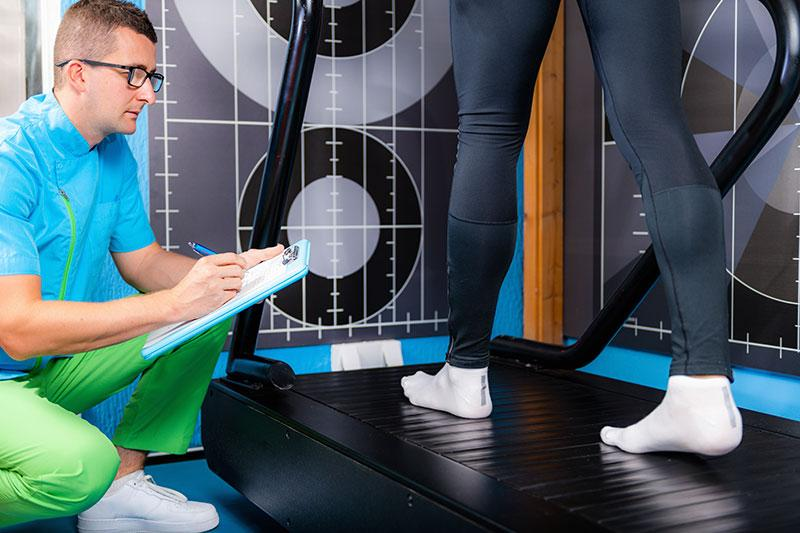
How Manufacturers Develop Arch Support Insoles for Flat Feet
Developing professional arch support insoles requires more than selecting a material. Manufacturers evaluate product goals, target users, and application requirements throughout the development process.
Application Analysis
The first step is understanding the intended market, such as medical applications, work footwear, sports products, or daily comfort solutions.
Structure and Material Development
Product developers select suitable materials and adjust support structures according to performance requirements.
Prototype Testing
Prototype evaluation helps manufacturers review comfort, support balance, durability, and footwear compatibility before mass production.
Quality-Controlled Production
Consistent production processes are essential for brands and distributors requiring stable supply and reliable product performance.
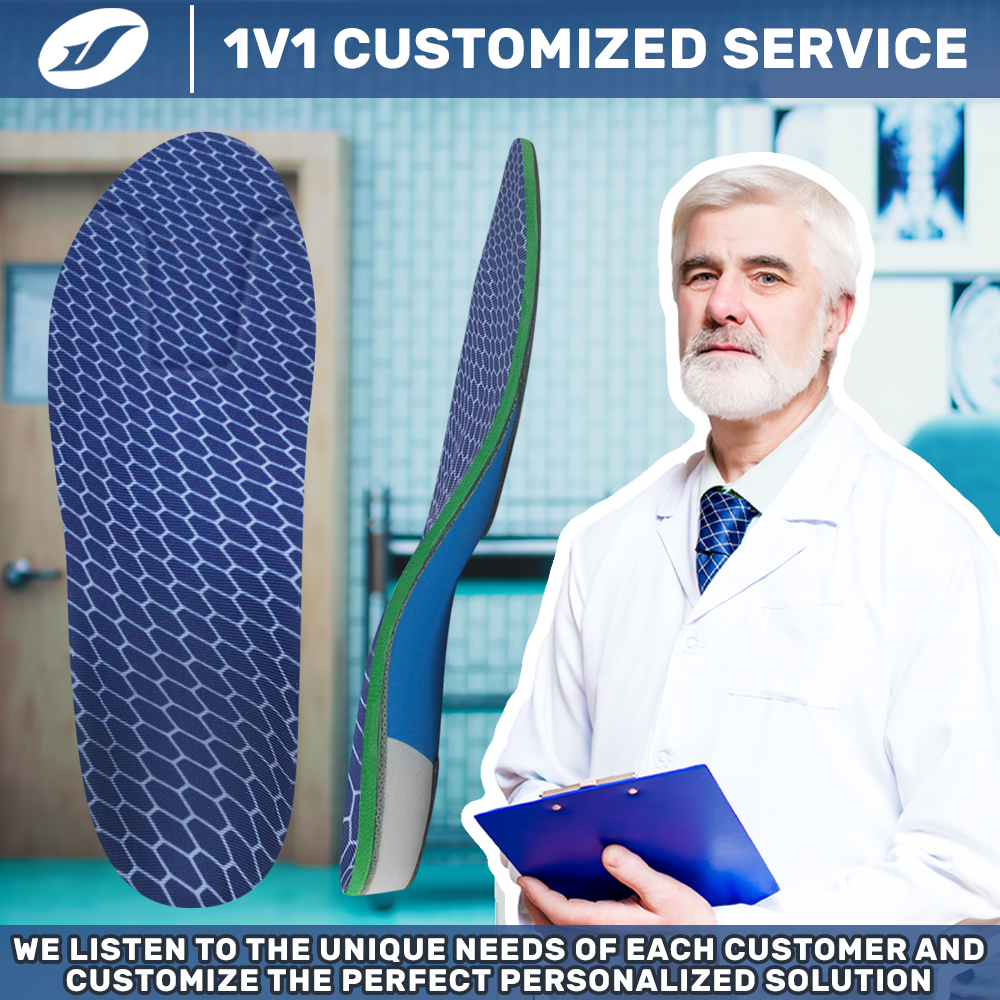
Custom Arch Support Insoles for Brands and Healthcare Companies
For healthcare companies, footwear brands, and distributors, customized production provides greater flexibility compared with standard products.
An experienced orthotic insole manufacturer can support customization including:
- Product structure design
- Material combinations
- Hardness adjustment
- Size customization
- Logo and packaging solutions
- Bulk production requirements
How to Choose an Arch Support Insole Manufacturer
Selecting the right supplier is an important decision for companies developing flat feet insoles and other orthotic products.
Manufacturing Experience
Experienced suppliers understand how materials, support structures, and production methods influence final product performance.
OEM and ODM Capability
A professional manufacturer should provide support beyond production, including product development assistance, customization, and private label solutions.
Quality Control and Supply Stability
Reliable quality control helps ensure consistent products for healthcare companies, distributors, and global footwear brands.
Frequently Asked Questions About Arch Support Insoles for Flat Feet
Do arch support insoles help flat feet?
Arch support insoles can provide additional support and improve comfort by creating a more stable base inside footwear. The suitable design depends on individual requirements and intended use.
Are higher arch supports always better?
No. The correct support level depends on foot structure, footwear design, and application requirements. Professional product development focuses on finding the appropriate balance.
What materials are used in flat feet insoles?
Common materials include EVA foam, PU foam, TPU components, and multi-layer combinations designed for different support and comfort requirements.
Can companies customize arch support insoles?
Yes. OEM and ODM manufacturers can customize designs, materials, branding, and packaging based on customer requirements.
Conclusion: Choosing the Right Arch Support Insoles for Flat Feet
The right Arch Support Insoles for Flat Feet should combine functional support, comfortable materials, durable construction, and reliable manufacturing quality.
For clinics, healthcare companies, and footwear brands, partnering with an experienced orthotic insole manufacturer helps create products that meet different market requirements.