As demand for personalized foot care products continues to grow, footwear brands, podiatry clinics, and orthotic distributors are looking for more efficient ways to develop customized support solutions. 3D printed insoles for flat feet provide an advanced approach by combining digital design, precise structural customization, and scalable manufacturing.
Unlike traditional insoles that rely on standard shapes and fixed support levels, 3D printed orthotic insoles can be developed based on specific foot data, allowing manufacturers to create solutions with optimized arch support, pressure distribution, and wearing comfort.
For brands and healthcare providers, 3D printing technology offers new opportunities to develop differentiated products, improve customer satisfaction, and build customized insole programs for different market needs.
What Are 3D Printed Insoles?
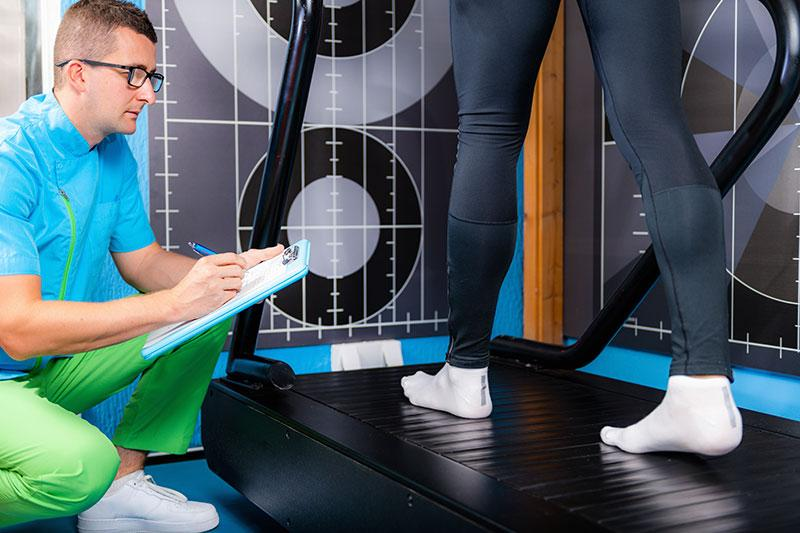
3D printed insoles are customized foot support products manufactured through digital modeling and additive manufacturing technology. Instead of using traditional molds or manual shaping processes, 3D printed insoles are created from digital designs that can be adjusted according to different foot structures and application requirements.
The typical development process includes:
- Foot scanning or digital foot data collection
- CAD-based insole design
- Structural optimization and customization
- 3D printing production
- Product testing and adjustment
This digital workflow allows manufacturers to create more flexible and precise custom orthotic insoles while maintaining consistent production quality.
Why Choose 3D Printed Insoles for Flat Feet?
Flat feet occur when the natural arch structure of the foot provides insufficient support. This can affect foot stability, pressure distribution, and overall walking comfort.
For many users, standard insoles may not provide enough adjustment because they are designed with fixed shapes and general support levels. 3D printed insoles for flat feet offer a more personalized solution by allowing manufacturers to adjust the structure based on individual requirements.
Personalized Arch Support
One of the main advantages of 3D printed orthotic insoles is the ability to customize the arch support profile.
Manufacturers can adjust:
- Arch height and support level
- Heel stabilization structure
- Forefoot cushioning areas
- Pressure relief zones
This flexibility allows different solutions to be developed for users with low arches, flexible flat feet, or specific support requirements.
Optimized Pressure Distribution
Flat feet can create uneven pressure patterns during standing and movement. A well-designed insole helps distribute pressure more evenly across the foot.
Through digital design and structural adjustment, 3D printed insoles can incorporate different functional zones to provide targeted support and cushioning where needed.
Lightweight and Breathable Structure
Compared with traditional solid foam constructions, 3D printing technology allows manufacturers to create optimized internal structures that reduce unnecessary material while maintaining support performance.
Benefits include:
- Lightweight construction
- Improved airflow
- Better moisture management
- Long-term wearing comfort
Key Benefits of 3D Printed Insoles for B2B Customers
| Feature | Business Value |
|---|---|
| Digital Customization | Develop personalized insole designs based on different user requirements. |
| Flexible Production | Support OEM, ODM, and private label insole projects. |
| Consistent Quality | Digital files help maintain stable product specifications during production. |
| Advanced Structure Design | Create different support and cushioning zones within one insole. |
| Market Differentiation | Help brands develop unique products with enhanced value. |
Materials and Structure Options for 3D Printed Orthotic Insoles
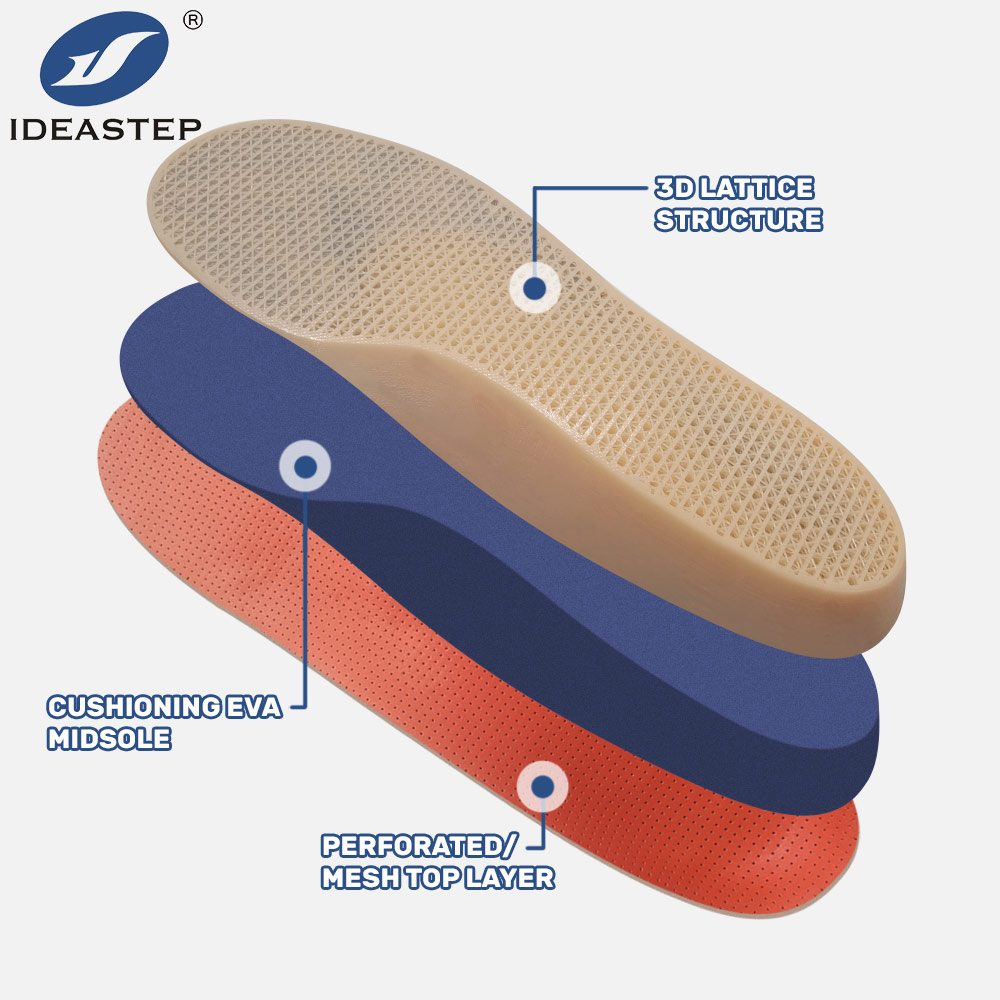
Material selection plays an important role in the performance of 3D printed orthotic insoles. Different materials and structures can be combined to achieve specific requirements for support, flexibility, and durability.
TPU Material
TPU (Thermoplastic Polyurethane) is widely used for 3D printed insoles because of its balance of flexibility and strength.
Key advantages include:
- Excellent elasticity
- High fatigue resistance
- Good impact absorption
- Long-lasting structural stability
By adjusting TPU hardness and structure design, manufacturers can develop different performance levels for sports, medical, and occupational applications.
Variable Density Structures
A major advantage of 3D printing is the ability to create different density areas within a single insole.
For example:
- Firm support zones for arch control
- Softer areas for cushioning
- Flexible sections for natural foot movement
This design approach helps achieve a better balance between stability and comfort.
Custom Top Cover Materials
To improve user experience, 3D printed insoles can be combined with different top cover materials, including:
- Velvet fabric
- Breathable mesh
- Antibacterial textile layers
Applications of 3D Printed Insoles
Sports Footwear
Athletes and active users often require additional support and cushioning during movement. 3D printed insoles can be developed for running shoes, training footwear, and sports recovery products.
Medical and Foot Care Applications
Clinics and foot care professionals can use customized insoles to provide personalized support solutions for different foot conditions and user requirements.
Common applications include:
- Flat feet support
- Foot alignment assistance
- Rehabilitation programs
- Preventive foot care
Work and Safety Footwear
Workers who stand or walk for extended periods need reliable support and cushioning. 3D printed insoles can enhance comfort and performance in safety shoes and work boots.
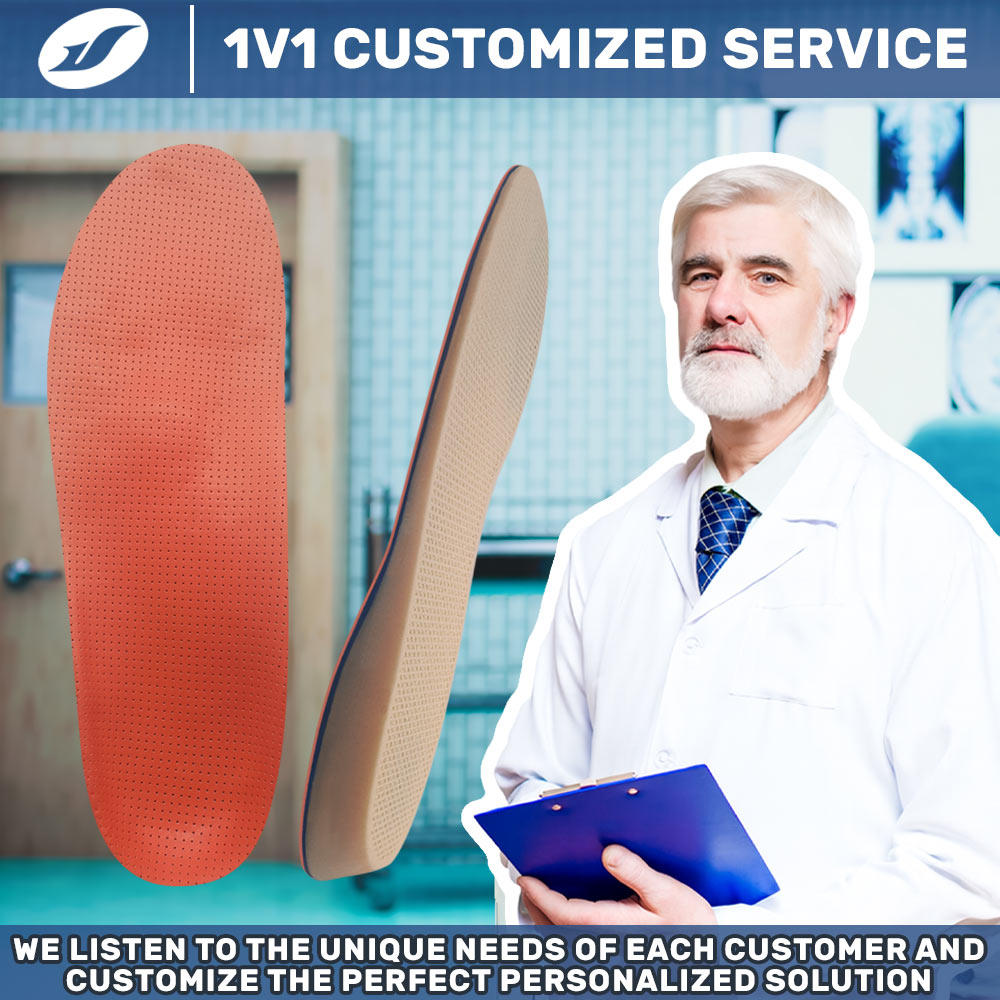
OEM 3D Printed Insole Solutions for Brands and Clinics
For footwear brands, clinics, and distributors, 3D printing provides more than a manufacturing method—it creates opportunities to develop unique products for specific markets.
An experienced orthotic insoles manufacturer can support OEM and ODM projects with:
Product Design Customization
- Arch support adjustment
- Structural optimization
- Size and shape customization
- Performance-focused designs
Brand and Private Label Services
- Custom colors
- Logo printing
- Top cover selection
- Packaging solutions
From Prototype to Mass Production
A professional manufacturer can support the complete development process, including concept evaluation, prototype production, testing, improvement, and bulk manufacturing.
How to Choose a Reliable 3D Printed Insole Manufacturer
Choosing the right manufacturing partner is essential for successful product development. B2B buyers should consider the following factors:
3D Printing and Design Capability
A reliable supplier should have experience with digital modeling, structural optimization, and customized insole development.
OEM and ODM Experience
Manufacturers with international project experience can better understand different market requirements and provide efficient solutions for brands and clinics.
Production and Quality Control
Stable production capacity, material control, and product testing procedures are important for ensuring consistent quality during large-scale orders.
Conclusion
3D printed insoles for flat feet provide a flexible and efficient solution for businesses seeking personalized foot support products. By combining digital design, advanced materials, and customized structures, these insoles help brands and clinics develop products that meet modern market expectations.
For companies looking to expand their orthotic product range, investing in professional 3D printed orthotic insoles and partnering with an experienced manufacturer can create new opportunities in footwear, healthcare, and foot care markets.
Whether you need OEM development, private label solutions, or customized insole production, working with the right manufacturing partner can help turn your product ideas into reliable market-ready solutions.
Related product links: https://www.aideastep.com/product/3d-14-velvet-comfort-3d-printed-insole-soft-touch-premium-footwear-experience/.