Footwear brands are increasingly looking for advanced insole solutions that combine comfort, customization, and product differentiation. Compared with traditional insole manufacturing methods, 3D printing provides greater flexibility in developing customized structures, support zones, and cushioning designs.
3D printed shoe insoles use digital design and additive manufacturing technology to create functional structures based on specific footwear requirements. For footwear brands, orthotic companies, and product developers, this technology offers new possibilities for customized comfort, lightweight designs, and innovative footwear solutions.
Key Advantages of 3D Printed Shoe Insoles
Customized Structure Design
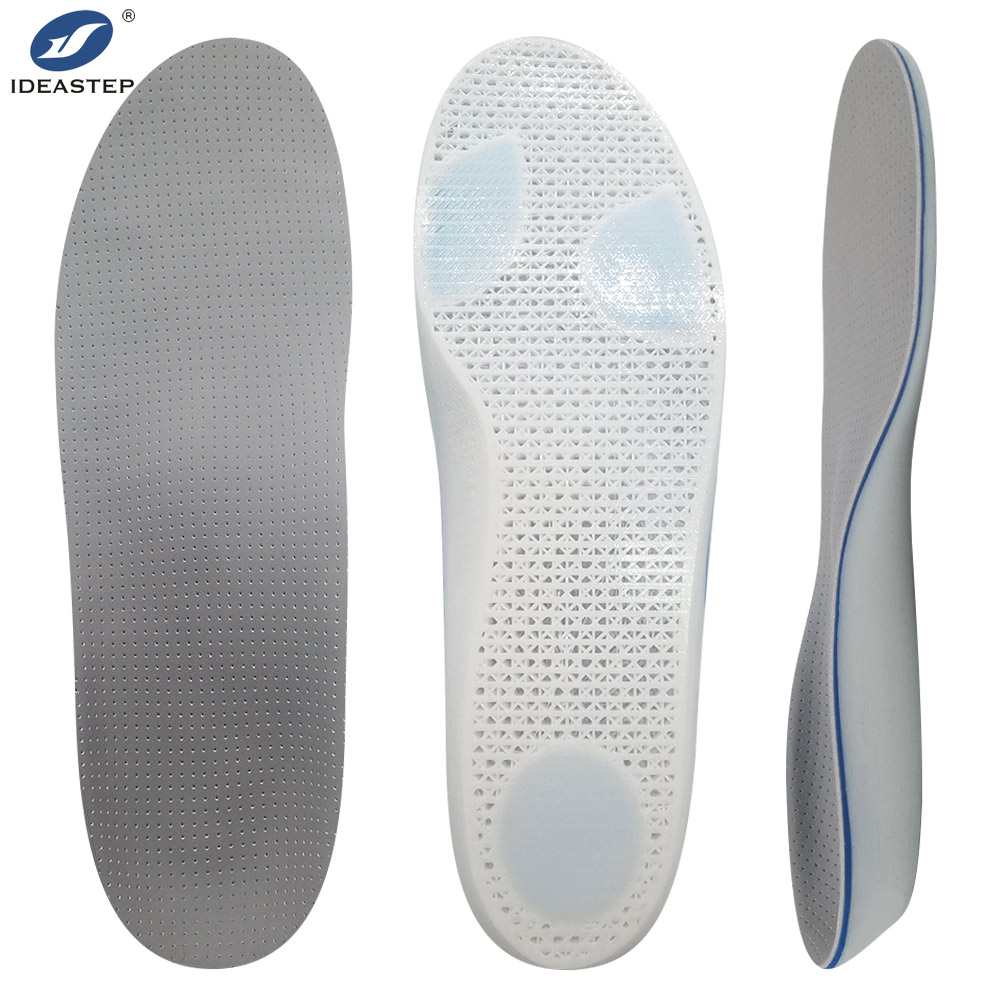
One of the main advantages of 3D printed insoles is the ability to create customized internal structures.
Manufacturers can adjust lattice structures, support areas, and cushioning zones according to different footwear categories, product positioning, and performance goals.
This flexibility allows brands to develop specialized insole designs for sports footwear, comfort shoes, and orthotic applications.
Lightweight and Functional Construction
3D printing allows manufacturers to optimize material usage and create lightweight structures while maintaining support and durability.
By adjusting the digital model, brands can achieve a balance between flexibility, cushioning, and stability without relying on traditional solid constructions.
Materials Used in 3D Printed Insoles
Material selection plays an important role in determining the flexibility, durability, and comfort characteristics of 3D printed shoe insoles.
TPU Materials
TPU is widely used for 3D printed insoles because of its elasticity, durability, and flexibility. It supports complex structures while maintaining resistance to repeated compression.
Flexible Polymer Materials
Flexible polymers allow manufacturers to develop lightweight structures with different levels of softness, support, and responsiveness according to footwear requirements.
Hybrid Material Structures
Some designs combine 3D printed components with traditional materials such as EVA foam or fabric layers. This approach combines digital structure advantages with proven cushioning performance.
3D Printed Insole Manufacturing Process
Digital Design and Modeling
The development process starts with understanding footwear requirements, target applications, and desired performance characteristics.
Engineers create digital models and optimize structures based on factors such as support distribution, cushioning areas, and footwear compatibility.
Prototype Testing
Prototype samples allow brands to evaluate product performance before final production.
Testing may include:
- Footwear fitting
- Structural stability
- Material flexibility
- Comfort evaluation
Production and Quality Control
After design approval, production focuses on maintaining consistency in product dimensions, material properties, and overall quality.
Custom OEM Solutions for Footwear Brands
For footwear brands and private label companies, OEM manufacturing provides support from product concept development to final production.
Custom 3D printed insole solutions may include:
| Customization Area | Options |
|---|---|
| Structure Design | Lattice structures, support zones, cushioning areas |
| Materials | TPU, flexible polymers, hybrid structures |
| Product Design | Size, thickness, shape, footwear compatibility |
| Applications | Sports footwear, orthotic products, comfort footwear |
| Branding | Private label, packaging, customized designs |
An experienced OEM partner can support brands with digital modeling, prototype development, material selection, and production management.
Applications of 3D Printed Shoe Insoles
Sports Footwear
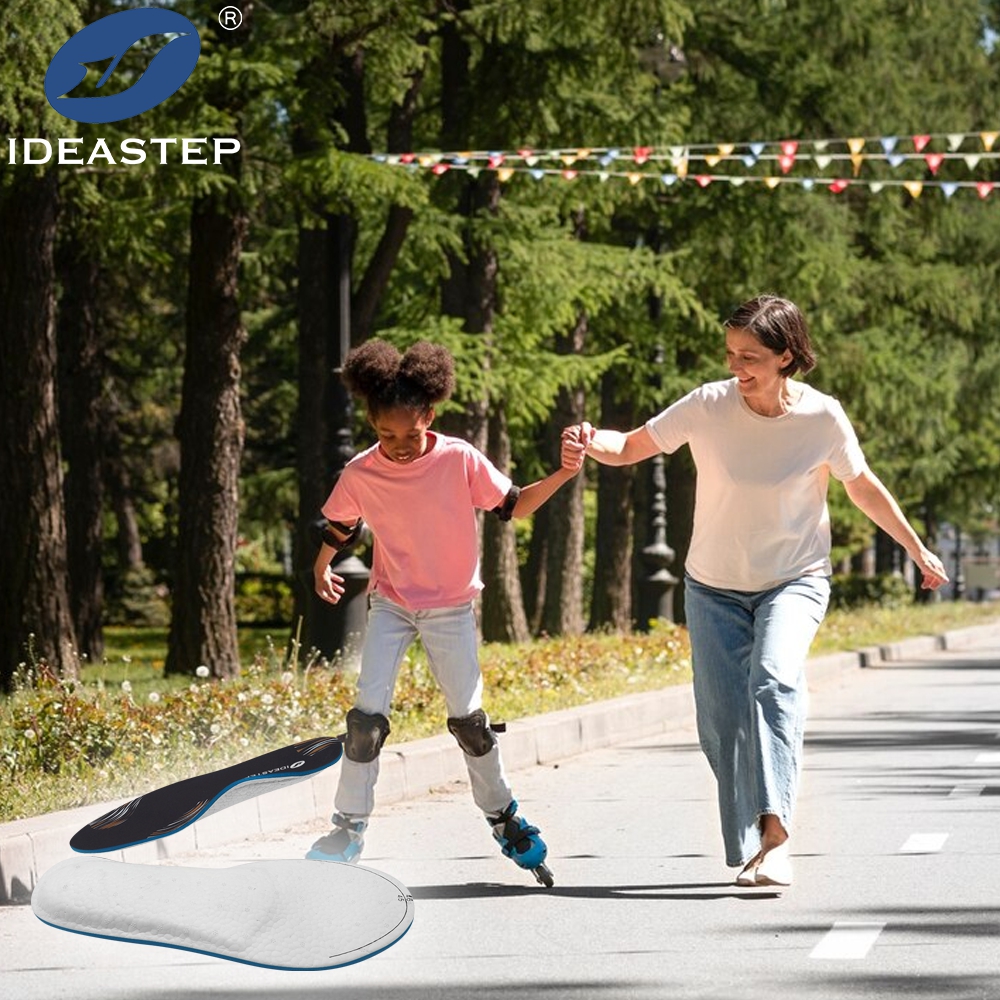
Sports footwear brands can use 3D printed insoles to develop lightweight products with customized support structures and improved comfort characteristics.
Orthotic Footwear
The customization capability of 3D printing makes it suitable for developing personalized orthotic insole solutions with specific support requirements.
Premium Comfort Footwear
Lifestyle footwear brands can use advanced insole structures to improve product differentiation and enhance the overall wearing experience.
Choosing a 3D Insole Manufacturing Partner
Successful 3D insole development requires experience in digital design, material selection, testing, and footwear manufacturing.
When selecting a manufacturing partner, brands should consider:
- Experience with 3D printed insole development
- Knowledge of footwear materials and structures
- Prototype and testing capabilities
- OEM production experience
- Quality control processes
FAQ About 3D Printed Shoe Insoles
What materials are used for 3D printed shoe insoles?
Common materials include TPU and flexible polymers. Some designs may combine 3D printed structures with EVA foam or fabric layers for improved comfort and support.
Can brands customize 3D printed insoles?
Yes. Manufacturers can customize structures, materials, dimensions, and design features according to footwear applications and product requirements.
How long does it take to develop custom 3D printed insoles?
Development time depends on design complexity, prototype requirements, testing procedures, and production specifications.
Develop Innovative Footwear with 3D Printed Insoles
3D printed shoe insoles provide footwear brands with flexible options for customized structures, digital development, and advanced comfort design.
By combining 3D printing technology with professional insole manufacturing capabilities, brands can develop footwear products with optimized comfort, support, and product differentiation.
Related Reading:
3D Printed Insoles for Flat Feet
3D Printed Insoles for Shoes Help Brands Create Advanced Custom Orthotic Solutions
Are 3D Printed Insoles Good?