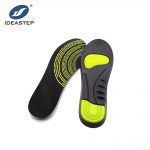
As footwear brands continue to focus on comfort-driven product development, breathable insole design has become an important consideration for sports shoes, work footwear, casual shoes, and lifestyle footwear. Material selection and airflow structure directly influence moisture management, comfort, and product performance.
Breathable shoe insoles combine moisture-control materials, ventilation structures, and cushioning layers to create a more comfortable footwear experience. For footwear manufacturers and private label brands, developing the right insole structure can help create products that meet market expectations for comfort and functionality.
Why Breathable Insoles Matter in Footwear Development
During extended wear, heat and moisture can accumulate inside footwear, especially in sports, work, and daily-use applications. A well-designed insole helps manage moisture while maintaining cushioning and support.
For footwear brands, breathable insoles can improve product value through:
- Better moisture management
- Improved airflow inside footwear
- Enhanced wearing comfort
- Balanced cushioning and support
Effective breathability depends not only on the top fabric but also on the combination of foam materials, structural design, and manufacturing processes.
Key Design Features of Breathable Shoe Insoles
Moisture Management
Moisture control is a key factor in breathable insole design. Materials with moisture-wicking properties help transfer sweat away from the foot area and maintain a more comfortable internal shoe environment.
Common moisture-control materials include:
- Breathable mesh fabrics
- Moisture-wicking textiles
- Microfiber layers
- Perforated surface materials
Airflow Structure
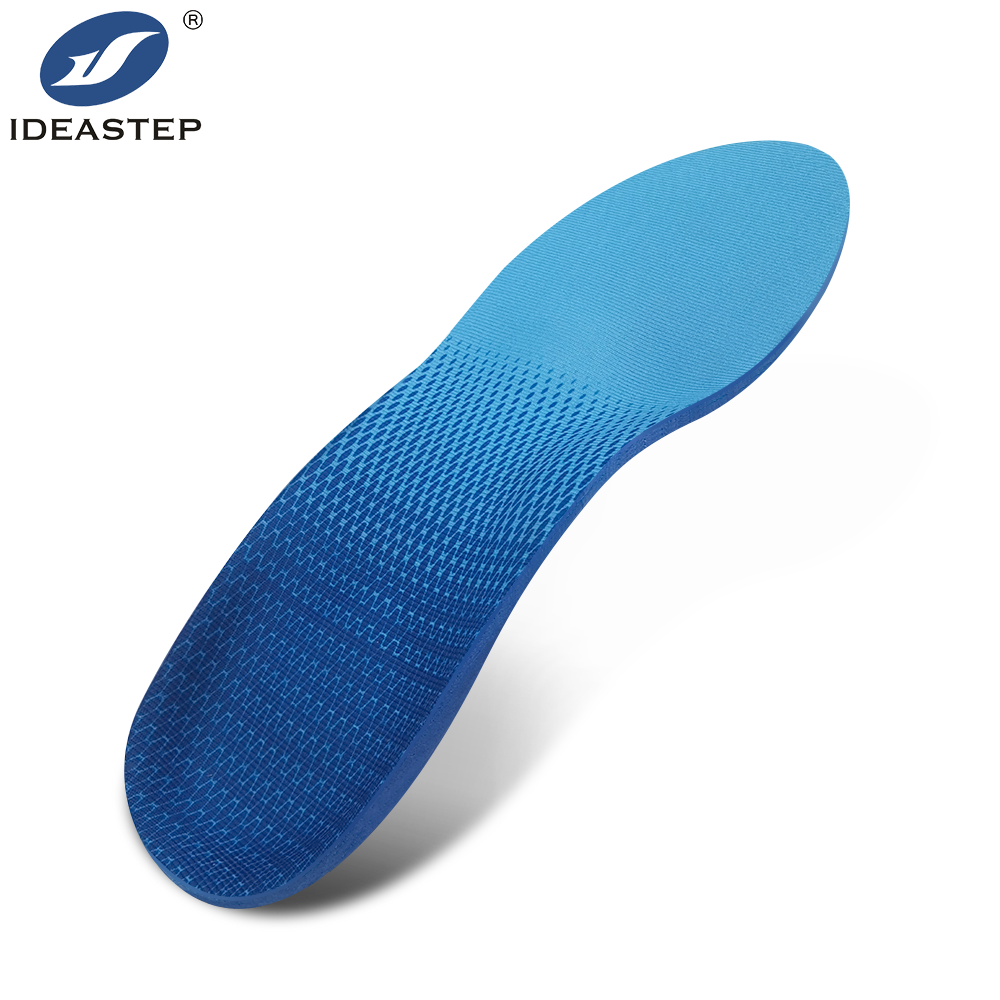
Breathability is also influenced by insole construction. Manufacturers can improve airflow through structural designs such as ventilation holes, air channels, and open-cell foam structures.
These designs help improve air circulation while maintaining the cushioning characteristics required for footwear applications.
Cushioning Balance
A breathable insole still needs to provide sufficient cushioning and support. Foam materials such as EVA and PU can be adjusted through density, hardness, and formulation changes to achieve different comfort requirements.
The right balance between airflow, cushioning, and durability is essential for creating functional footwear products.
Materials Used in Breathable Shoe Insoles
Material selection directly affects the comfort, durability, and breathability of an insole. Footwear manufacturers often combine multiple materials to achieve specific product goals.
EVA Foam
EVA foam is widely used in insole manufacturing because of its lightweight properties, flexibility, and adjustable cushioning performance.
By controlling EVA density, hardness, and formulation, manufacturers can develop insoles with different levels of cushioning, support, and rebound.
PU Foam
PU foam is commonly selected for comfort-focused insoles that require stable recovery and long-term cushioning performance.
It can be combined with breathable fabrics and support layers to create multi-functional insole structures.
Memory Foam and Support Components
Memory foam provides a softer cushioning experience and can be integrated into comfort-oriented insole designs.
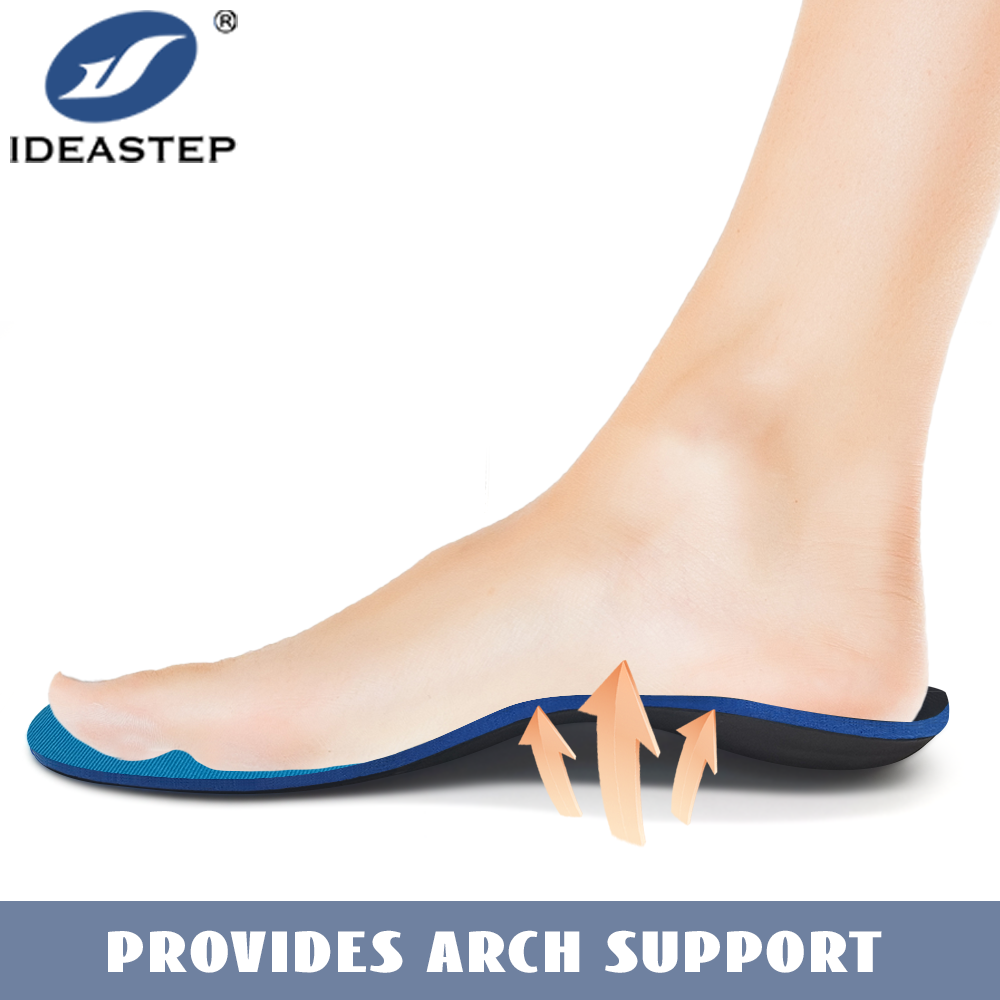
Support components such as TPU reinforcements may be added to improve stability in areas such as the arch and heel.
Custom OEM Solutions for Footwear Brands
For footwear brands and private label companies, customized insole development allows products to match specific market requirements, footwear designs, and target customers.
OEM customization options may include:
| Customization Area | Options |
|---|---|
| Materials | EVA foam, PU foam, memory foam, breathable fabrics |
| Structure | Ventilation design, multi-layer construction, cushioning layers |
| Surface Design | Mesh fabric, microfiber, moisture-wicking textiles |
| Performance | Breathability, cushioning, shock absorption, durability |
| Branding | Logo, packaging, private label |
Breathable Insole Development Process
Product Design and Material Selection
The development process starts by understanding the footwear category, target market, and required performance characteristics.
Material combinations and structural designs are selected based on factors such as cushioning needs, breathability goals, and footwear compatibility.
Prototype Development
Prototype samples allow brands to evaluate:
- Footwear fitting
- Comfort performance
- Breathability
- Structural design
Production and Quality Control
Stable production quality is important for footwear brands. Manufacturing inspection typically covers:
- Material consistency
- Product dimensions
- Bonding strength
- Surface finishing
Applications of Breathable Insoles
Sports Footwear
Sports footwear requires lightweight and breathable insole structures that can support active movement and moisture management.
Work and Safety Footwear
For long-hour footwear applications, breathable insoles help combine comfort, cushioning, and moisture control.
Casual and Lifestyle Footwear
Lifestyle footwear brands can use breathable insole designs to enhance everyday comfort and product differentiation.
Choosing a Breathable Insole Manufacturer
Developing reliable breathable shoe insoles requires experience in materials, structural design, and manufacturing processes.
Important factors when selecting an OEM partner include:
- Experience in custom insole manufacturing
- Knowledge of foam and textile materials
- OEM and private label capability
- Flexible product development support
- Consistent production quality
FAQ About Breathable Shoe Insoles
What materials are commonly used for breathable shoe insoles?
Common materials include EVA foam, PU foam, memory foam, breathable mesh fabrics, and moisture-wicking textiles. These materials can be combined according to specific footwear requirements.
Can breathable shoe insoles be customized for footwear brands?
Yes. OEM manufacturers can customize materials, structures, thickness, surface fabrics, and branding elements according to product specifications.
What affects the breathability of an insole?
Breathability depends on material selection, fabric properties, ventilation structure, foam design, and overall insole construction.
Develop Functional Breathable Insoles for Modern Footwear
Breathable shoe insoles combine material technology, airflow design, and cushioning performance to support the development of comfortable footwear products.
For footwear brands and manufacturers, customized insole solutions provide opportunities to create products with improved comfort, functionality, and market appeal.
By working with an experienced OEM partner, brands can develop breathable insoles that match specific footwear applications and customer expectations.
Related Reading:
Arch Support Soft Breathable Foot Insoles
Soft Cushioning Breathable EVA Insole for Men