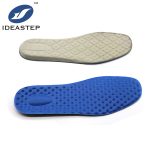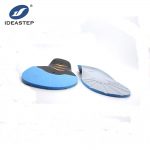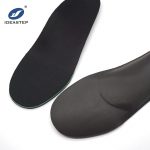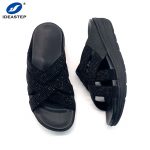
Custom Shoe Inserts for Wholesale: How OEM Orthotic Manufacturers Help Brands Grow
As demand for personalized footwear continues to grow, custom shoe inserts have become an important product category for footwear brands, podiatry clinics, healthcare distributors, and retailers. Unlike standard insoles, custom solutions provide targeted support, improved comfort, and greater product differentiation.
For businesses, partnering with an experienced OEM manufacturer offers more than production capacity. It provides access to material expertise, engineering support, flexible customization, and consistent quality—key factors for building a successful private-label orthotic product line.
This guide explains how to choose the right OEM partner, what materials to consider, and the key factors buyers should evaluate before starting a wholesale project.
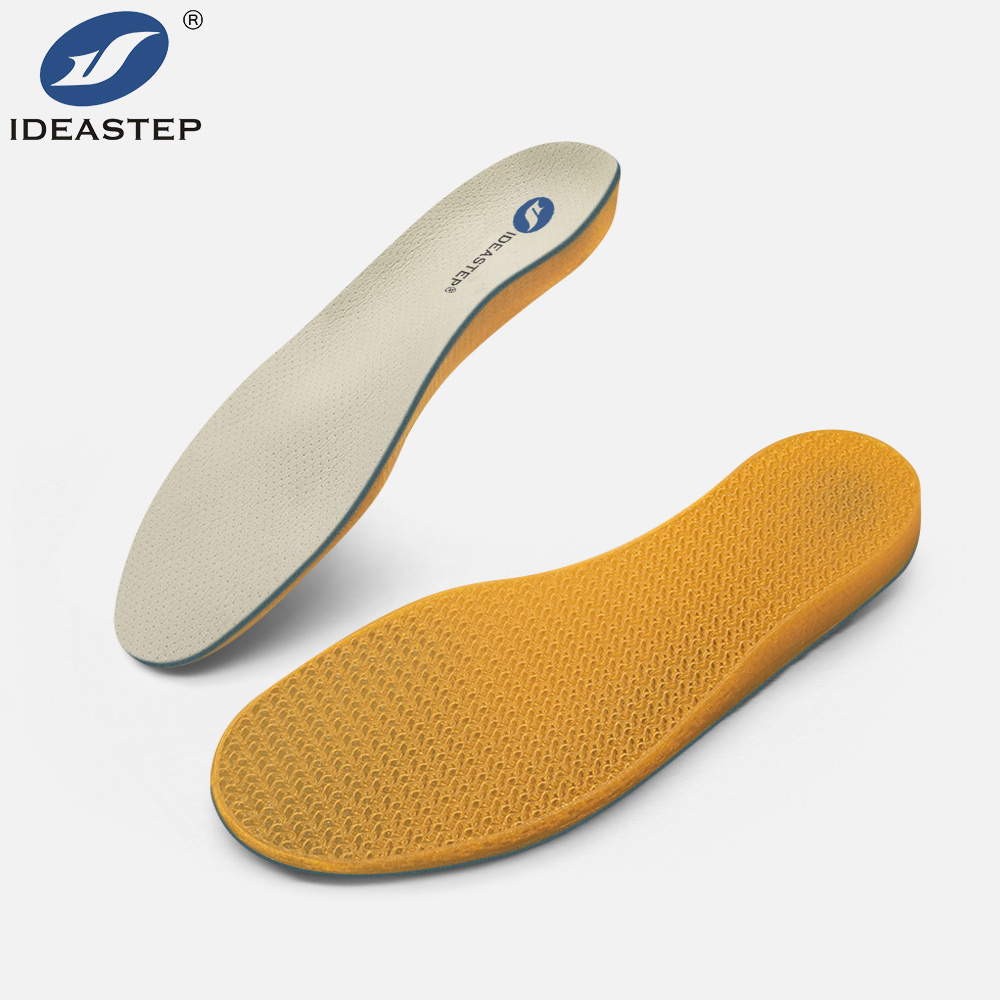
Why Businesses Invest in Custom Shoe Inserts
Standard insoles are widely available, making it difficult for brands to stand out in a competitive market. Custom shoe inserts allow businesses to develop products designed for specific footwear categories, customer groups, and performance requirements.
Compared with traditional insoles, customized solutions offer several advantages:
- Improved biomechanical support and foot alignment
- Better plantar pressure distribution for enhanced comfort
- Customized arch profiles for different foot types
- Material combinations designed for specific applications
- Greater brand value through private-label solutions
For B2B buyers, customized orthotic products create opportunities to provide unique solutions, reduce price competition, and build stronger customer relationships.
Who Uses Wholesale Custom Shoe Inserts?
Wholesale orthotic inserts serve multiple industries, with each market requiring different product features and performance characteristics.
| Buyer | Primary Application |
|---|---|
| Footwear Brands | Private-label comfort and performance insoles |
| Podiatry Clinics | Patient-specific orthotic solutions |
| Medical Distributors | Healthcare and rehabilitation products |
| Sports Brands | Running, hiking, and training footwear |
| Safety Footwear Manufacturers | Work boots and industrial shoes |
Understanding the target market helps determine the appropriate materials, support structures, and manufacturing methods.
How to Choose an OEM Orthotic Manufacturer
Choosing the right supplier involves more than comparing costs. A reliable OEM partner should combine manufacturing experience, material knowledge, engineering support, and consistent production capability.
1. Material Expertise
Material selection directly affects cushioning, durability, stability, and overall product performance. Experienced manufacturers select different material combinations based on the intended application rather than using a single solution for every project.
| Material | Best For | Key Advantages |
|---|---|---|
| EVA | Sports, walking, everyday footwear | Lightweight, durable, excellent cushioning |
| PU | Premium comfort products | Long-lasting cushioning and lower compression set |
| TPU | Structural support applications | Improved arch stability and motion control |
| Memory Foam | Lifestyle footwear | Pressure relief and personalized comfort |
| Cork Composites | Orthopedic applications | Natural support and shape retention |
Multi-density constructions are commonly used in orthotic designs to balance cushioning, flexibility, and biomechanical support.
2. Customization Capabilities
Professional OEM manufacturers provide more than basic logo customization. They help businesses develop products that match their brand positioning and target customers.
Common customization options include:
- Custom arch heights
- Multi-density foam constructions
- Different hardness levels
- Heel cup modifications
- Breathable top cover materials
- Logo printing and private labeling
- Customized retail packaging
3. Manufacturing Consistency
For wholesale buyers, consistent quality is essential for repeat orders and long-term business growth.
A dependable OEM manufacturer should provide:
-
- Standardized production procedures
- Material traceability
- Strict quality inspections
- Stable product specifications
- Reliable delivery schedules
- International export experience
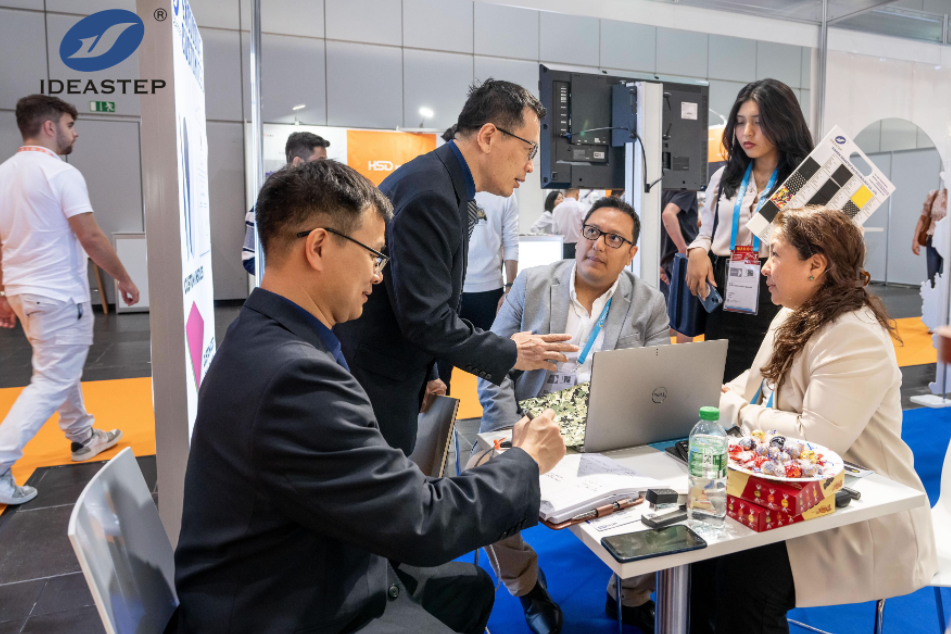
Understanding the OEM Development Process
Successful OEM projects begin with understanding the customer’s application, market requirements, and product goals before moving into production.
Step 1: Project Consultation
The manufacturer reviews the target market, footwear category, performance requirements, and expected product positioning.
For example, running shoe inserts usually require lightweight cushioning and energy return, while work footwear focuses more on durability and long-term support. Medical applications may require additional stability and pressure redistribution features.
Step 2: Product Design and Material Selection
Based on project requirements, engineers recommend suitable materials, support structures, cushioning zones, and manufacturing methods to achieve the desired performance.
Step 3: Prototype Development and Testing
Before mass production, prototype samples are developed for evaluation. This stage allows buyers to review product performance, appearance, and overall user experience.
Typical evaluation factors include:
- Foot comfort and fit
- Arch support performance
- Cushioning and shock absorption
- Material flexibility and durability
- Top cover appearance and branding details
Based on feedback, manufacturers can adjust the design and finalize specifications before production begins.
Step 4: Mass Production
After sample approval, production follows standardized manufacturing procedures to ensure every batch meets the agreed specifications.
Professional quality control throughout production helps maintain consistency across repeat orders, which is especially important for brands and distributors building long-term product lines.
Questions Buyers Should Ask Before Choosing an OEM Supplier
Selecting the right manufacturer can directly influence product quality, delivery reliability, and business growth. Before starting a project, buyers should evaluate the supplier’s capabilities carefully.
- Does the manufacturer specialize in orthotic insoles?
A supplier with specific experience in foot care products usually has better knowledge of materials, structures, and performance requirements. - Can the product be fully customized?
A capable OEM partner should support customization of materials, support structures, sizes, packaging, and branding. - What quality control procedures are used?
Consistent production requires standardized inspections and reliable manufacturing processes. - Can product specifications remain consistent for repeat orders?
Stable quality is essential for brands managing long-term inventory and customer expectations. - Does the supplier have international export experience?
Experience with global markets helps ensure smoother communication, documentation, and logistics.
Why OEM Manufacturing Creates Long-Term Value
Working with an experienced OEM manufacturer allows businesses to develop products that match their market positioning while reducing the complexity of in-house production.
Key advantages include:
- Faster product development through professional engineering support
- Flexible customization for different market requirements
- Lower investment compared with building manufacturing facilities
- Better control over product quality and specifications
- Private-label opportunities to strengthen brand identity
- Reliable supply capacity for future growth
For footwear brands, healthcare companies, and distributors, a trusted OEM partnership provides the foundation for developing competitive orthotic products in a growing market.
Frequently Asked Questions About Custom Shoe Inserts
Can custom shoe inserts be developed based on my own design?
Yes. Experienced OEM manufacturers can develop products based on customer requirements, including design concepts, material preferences, support structures, and branding specifications.
What information is needed before starting an OEM project?
Most manufacturers require details about the target market, product application, preferred materials, sizes, performance requirements, and packaging expectations before recommending a suitable solution.
What materials are commonly used for wholesale orthotic inserts?
Common materials include EVA, PU, TPU, memory foam, and composite materials. The best option depends on whether the product is designed for sports, medical applications, work footwear, or everyday comfort.
How can businesses ensure consistent quality for repeat orders?
Working with a manufacturer that uses standardized production processes, material control systems, and quality inspections helps maintain consistent product performance across multiple production runs.
Conclusion
Developing successful custom shoe inserts requires more than selecting materials. The right OEM partner provides technical expertise, customization capability, and reliable production support to help businesses create high-quality orthotic products.
For footwear brands, clinics, distributors, and retailers, choosing an experienced manufacturer can simplify product development, improve supply chain stability, and create long-term business value.
Industry Insights: Custom Shoe Inserts Built for Personalized Fit and Long-Term Foot Support.