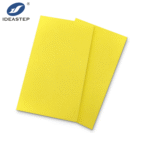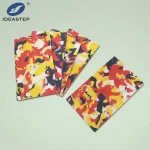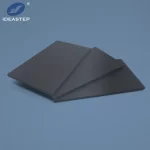
The best shoe insert for metatarsal pain should provide targeted forefoot cushioning, pressure distribution, and proper support. Metatarsal pad insoles, EVA foam cushioning inserts, and supportive orthotic insoles are commonly used solutions because they help reduce pressure on the ball of the foot and improve overall wearing comfort.
Choosing the right insert depends on factors such as footwear type, activity level, and individual support needs. A well-designed insole combines cushioning materials, structural support, and ergonomic design to improve comfort during walking, standing, and sports activities.
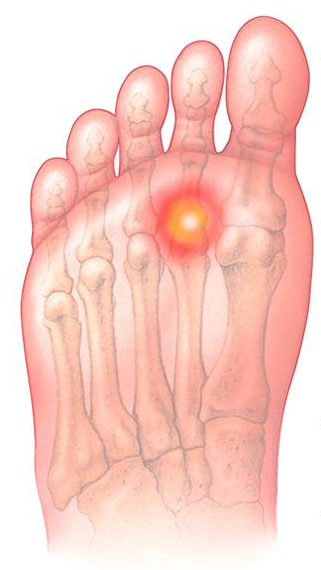
What Causes Metatarsal Pain?
Metatarsal pain usually occurs when excessive pressure is concentrated on the forefoot area. It is commonly experienced during walking, running, or long periods of standing when footwear does not provide enough cushioning or support.
Common factors that may contribute to forefoot discomfort include:
- Insufficient cushioning in shoes
- High-impact activities such as running and jumping
- Long periods of standing or walking
- Uneven weight distribution across the foot
- Worn or unsupportive shoe inserts
A properly designed shoe insert helps improve comfort by distributing pressure more evenly and providing additional cushioning in high-pressure areas.
What Type of Shoe Insert Helps with Metatarsal Pain?
Different insole designs provide different levels of support. For forefoot discomfort, effective inserts usually focus on three key functions: pressure relief, cushioning, and foot stability.
1. Metatarsal Pad Insoles
Metatarsal pad insoles are designed with a raised support area positioned behind the metatarsal heads. This structure helps redistribute pressure away from concentrated areas and provides better support during movement.
The placement, shape, and firmness of the pad are important design factors. A properly positioned metatarsal pad should support the foot without limiting natural movement.
2. EVA Foam Cushioning Insoles
EVA foam is widely used for metatarsal support insoles because it offers a balance of cushioning, flexibility, durability, and lightweight performance.
By adjusting EVA properties such as hardness, density, and rebound, manufacturers can create different cushioning levels for sports footwear, comfort shoes, and orthotic applications.
- Soft EVA foam: Provides a comfortable cushioning feel for daily use.
- Firm EVA foam: Offers stronger support and improved structural stability.
- High rebound EVA foam: Helps improve energy return for athletic footwear.
3. Orthotic Insoles with Support Structure
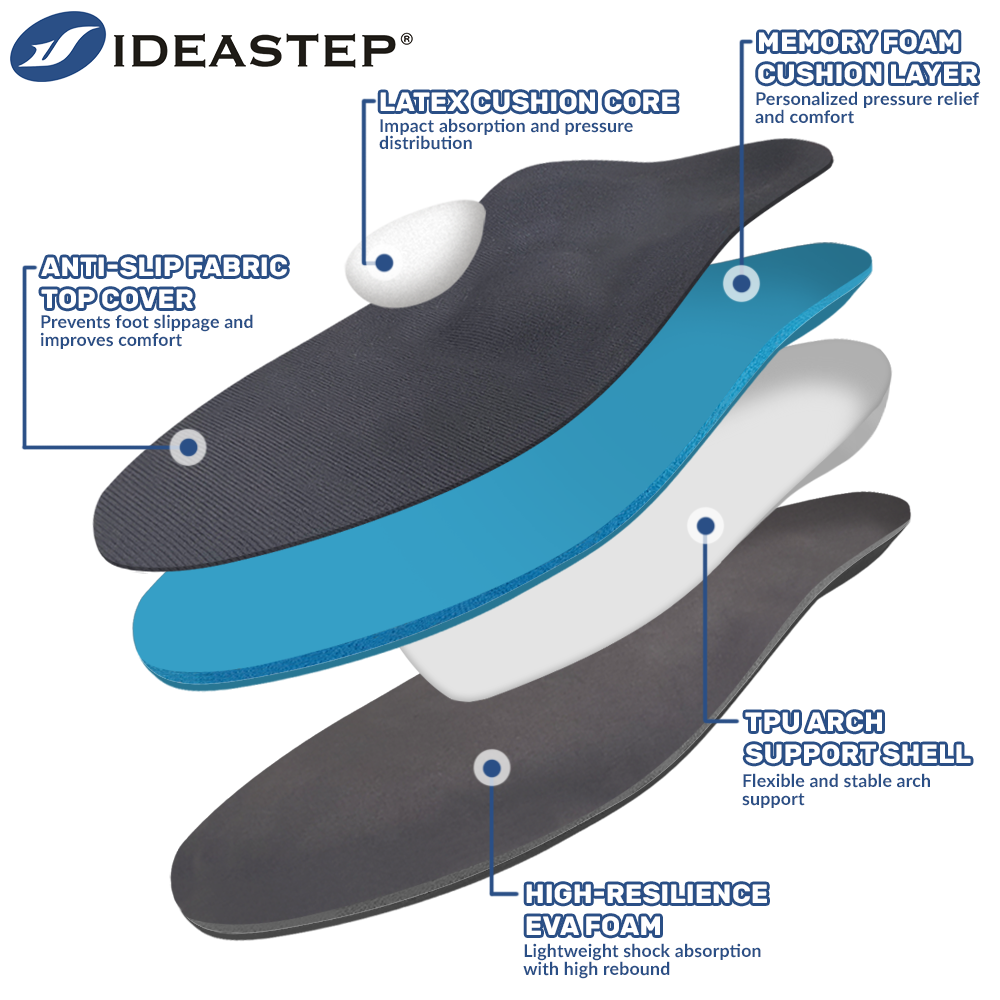
Orthotic insoles combine cushioning materials with support components to improve overall foot stability. They are often designed with multiple layers to balance comfort, support, and durability.
Common materials used in orthotic insole construction include EVA foam, TPU support components, gel cushioning layers, and breathable fabric covers.
How Are Effective Metatarsal Support Insoles Designed?
A high-quality insole requires more than soft cushioning. The overall design must balance pressure distribution, material performance, and long-term durability.
Pressure Distribution Design
The support structure should help spread weight more evenly across the foot. Proper forefoot support placement can reduce concentrated pressure and improve walking comfort.
Material Selection
Different materials provide different performance characteristics. EVA foam is commonly selected because its hardness, density, and rebound properties can be adjusted for different footwear requirements.
Multi-Layer Construction
Many advanced insoles use multiple layers to achieve better performance:
- Top Layer: Improves surface comfort, moisture control, and durability.
- Cushioning Layer: Absorbs impact and enhances comfort.
- Support Layer: Provides stability and maintains the insole structure.
Key Features to Look for in a Shoe Insert for Metatarsal Pain
When selecting a suitable shoe insert, consider the following features:
- Forefoot Cushioning: Helps reduce impact and pressure during daily activities.
- Balanced Support: Provides stability while maintaining flexibility.
- Appropriate Firmness: Ensures the insert is comfortable without feeling too soft or too rigid.
- Breathable Materials: Improves comfort during extended wear.
- Durable Construction: Maintains performance through repeated use.
Choosing the Right Insole for Different Applications
| Application | Recommended Features |
|---|---|
| Sports Footwear | High rebound cushioning, shock absorption, lightweight materials |
| Daily Comfort Shoes | Soft cushioning, breathable materials, forefoot support |
| Work Shoes | Long-lasting comfort, pressure distribution, stable support |
| Orthotic Insoles | Structured support, durable materials, customized design |
Why EVA Foam Is Popular for Metatarsal Support Insoles
EVA foam is one of the most common materials used in insole production because it provides a practical balance between comfort, durability, and customization flexibility.
Different EVA formulations allow manufacturers to adjust cushioning performance according to product requirements. Softer EVA can improve comfort, while firmer EVA structures can provide additional support and stability.
This makes EVA suitable for a wide range of applications, including sports insoles, comfort footwear, and orthotic products.
Frequently Asked Questions About Metatarsal Pain Insoles
Do metatarsal pads help with forefoot discomfort?
Metatarsal pads can help redistribute pressure under the forefoot area when properly positioned. The effectiveness depends on the design, placement, and individual foot structure.
What material is commonly used for metatarsal support insoles?
EVA foam is widely used because it provides lightweight cushioning, adjustable firmness, durability, and flexibility for different footwear applications.
Conclusion
The right shoe insert for metatarsal pain depends on footwear type, activity level, and support requirements. Effective designs typically combine metatarsal support, cushioning materials, pressure distribution, and proper stability.
Whether used for sports footwear, daily shoes, or orthotic applications, well-designed insoles with suitable materials such as EVA foam can provide improved comfort and support for the forefoot area.
Related Reading:
Can Insoles Cure Metatarsalgia?
Do Insoles Help with Metatarsalgia?
Metatarsal Pad Insoles: Design Principles, Benefits, and Applications