Launching a successful orthotic insole product requires more than choosing quality materials. Long-term product performance depends on thoughtful structural design, reliable manufacturing, and consistent quality control. For footwear brands, healthcare companies, and distributors, partnering with an experienced orthotic insole manufacturer is often the most efficient way to develop high-quality products while reducing development time and production costs.
OEM orthotic insoles allow brands to create products tailored to their target market without investing in their own manufacturing facilities. From material selection and structural design to private labeling and packaging, OEM manufacturing provides the flexibility to build a unique product line while maintaining consistent production quality.
What Are OEM Orthotic Insoles?
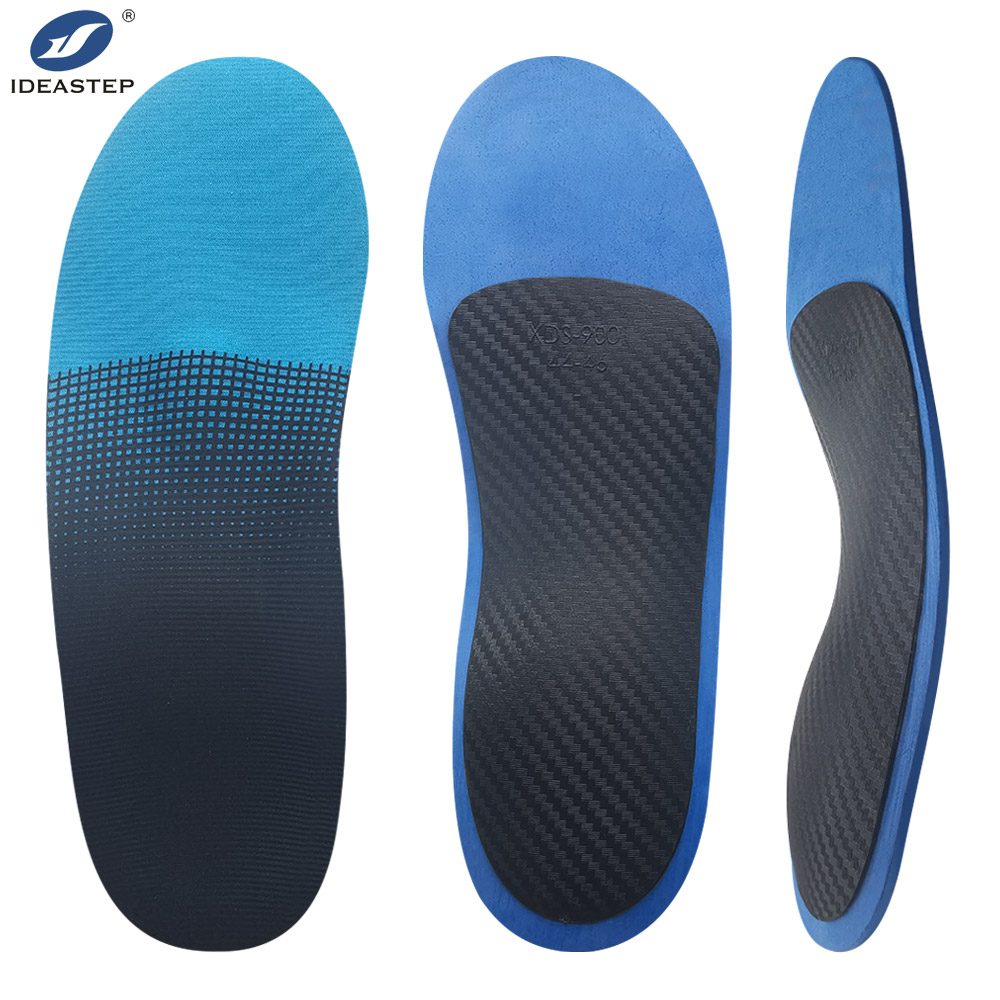
OEM orthotic insoles are custom foot support products manufactured according to a customer’s specifications. The brand defines the product requirements, while the manufacturer is responsible for engineering, production, and quality management.
Compared with standard retail insoles, OEM products offer greater flexibility in design, materials, functional support, appearance, and packaging. This allows brands to develop products that match specific customer needs instead of relying on generic solutions.
OEM vs. ODM Manufacturing
Although the two terms are often used together, they serve different purposes.
- OEM (Original Equipment Manufacturer) produces products according to the customer’s design and technical specifications.
- ODM (Original Design Manufacturer) provides existing product designs that customers can customize with their own branding.
OEM manufacturing is often the preferred option for brands seeking greater control over product performance, positioning, and long-term product development.
Why Brands Choose OEM Orthotic Insoles
Develop Products for Different Market Segments
Different footwear markets require different insole solutions. Running shoes, work boots, children’s footwear, and medical products all have unique performance requirements.
OEM manufacturing allows brands to develop products for applications such as:
- Arch support insoles
- Sports performance insoles
- Comfort insoles
- Children’s orthotic insoles
- Work and safety footwear
- Diabetic-friendly foot support products
Instead of offering one universal product, brands can build product ranges designed for specific users and footwear categories.
Benefit from Manufacturing Expertise
An experienced manufacturer contributes more than production capacity. Knowledge of material selection, molding technology, structural design, and quality control helps improve product performance while reducing development risks during sampling and mass production.
Expand Through Private Label Products
Private label programs allow companies to establish their own product identity without building a manufacturing facility. Most OEM suppliers can customize logos, packaging, product labels, color combinations, and retail presentation to support different branding strategies.
Materials Used in Orthotic Insole Manufacturing
Material selection is one of the most important factors affecting comfort, support, durability, and product lifespan. Professional manufacturers often combine several materials to achieve the required performance characteristics.
EVA Foam
EVA is widely used because it offers an excellent balance of cushioning, weight, durability, and manufacturing efficiency. By adjusting density and hardness, manufacturers can produce insoles ranging from soft everyday comfort products to supportive orthotic designs.
PU Foam
PU foam provides long-lasting cushioning and pressure distribution, making it suitable for premium comfort products and footwear designed for extended daily wear.
TPU Support Components
TPU reinforcement is commonly added to arch and heel areas to improve stability while maintaining a lightweight construction. It is frequently used in sports and corrective orthotic insoles.
Functional Cover Materials
The top layer influences comfort and moisture management. Depending on product positioning, manufacturers may use breathable fabrics, microfiber, antimicrobial textiles, memory foam, or gel inserts to improve user experience and overall product value.
OEM Orthotic Insole Customization Options
One of the greatest advantages of OEM manufacturing is the ability to customize nearly every aspect of the product according to market requirements.
Structural Design
Manufacturers can modify structural features including:
- Arch height
- Heel cup depth
- Forefoot cushioning
- Multi-layer construction
- Support rigidity
- Overall thickness
These adjustments help optimize the insole for different footwear categories and user needs.
Functional Performance
Beyond structural design, OEM products can be engineered to provide specific functional benefits, including shock absorption, pressure redistribution, heel stability, enhanced cushioning, lightweight comfort, and long-term support. Material combinations and construction methods are selected according to the intended application rather than using a one-size-fits-all approach.
Branding and Packaging
OEM suppliers also support customized branding through logo printing, private label packaging, instruction manuals, barcode labels, and retail-ready packaging, helping brands create a consistent identity across different markets.
OEM Orthotic Insole Manufacturing Process
A structured development process helps ensure consistent quality and efficient production. While individual projects may vary, most OEM orthotic insole programs follow five key stages.
1. Requirement Analysis
The project begins with defining the product’s intended application, target users, footwear category, performance objectives, and price positioning. These requirements guide material selection and structural design throughout development.
2. Material and Structure Development
Based on the project specifications, engineers recommend suitable material combinations and support structures. Typical considerations include EVA or PU density, arch support level, cushioning performance, flexibility, durability, and compatibility with different shoe styles.
3. Prototype Development
Prototype samples allow customers to evaluate fit, comfort, appearance, and overall functionality before production begins. Early testing helps identify potential improvements and reduces development risks.
4. Testing and Validation
Before mass production, samples are evaluated to confirm that key performance requirements have been achieved. Depending on the project, testing may include compression resistance, rebound performance, bonding strength, flexibility, and dimensional accuracy.
5. Mass Production and Quality Control
After sample approval, production moves into manufacturing. Reliable suppliers maintain consistent quality through raw material inspection, process monitoring, finished product inspection, and packaging verification, ensuring stable performance across repeat wholesale orders.
How to Choose an Orthotic Insole Manufacturer
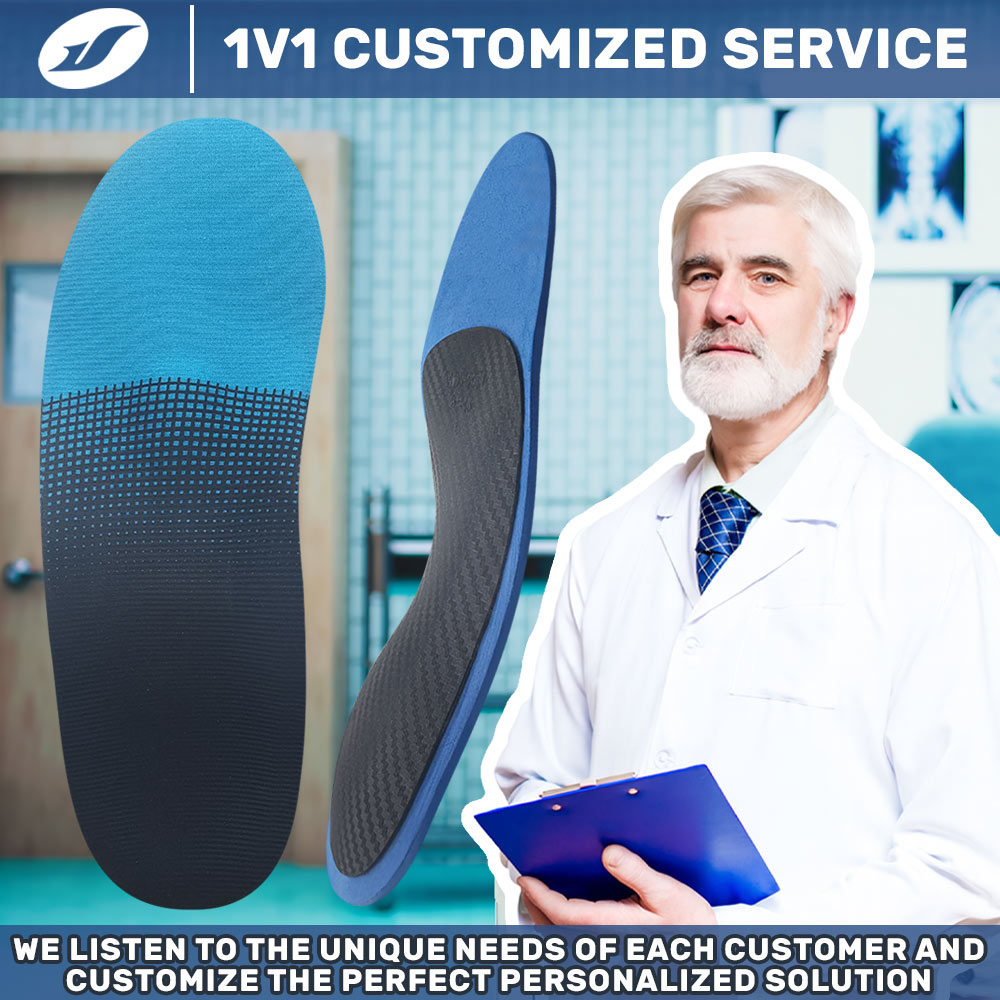
Selecting the right manufacturing partner is as important as choosing the right product design. Beyond pricing, buyers should evaluate a supplier’s technical capability, manufacturing experience, and long-term production reliability.
Industry Experience
An experienced orthotic insole manufacturer understands how materials, structural design, and production processes work together to achieve consistent product performance. This experience often shortens development time and improves production efficiency.
Customization Capability
Look for suppliers that can support complete OEM projects, including material selection, structural adjustments, branding, packaging, and private label production. Strong customization capabilities make it easier to develop products that meet specific market requirements.
Quality Management
Reliable manufacturers maintain stable production standards and verify important material properties such as density, hardness, bonding strength, and dimensional consistency. Effective quality management is essential for maintaining product consistency over multiple production batches.
Production Capacity and Export Support
Suppliers serving international markets should have stable production planning, export experience, and the ability to meet agreed delivery schedules. Consistent communication and dependable lead times are important for long-term OEM partnerships.
Applications of OEM Orthotic Insoles
Custom orthotic insoles are widely used across different industries and footwear categories, including:
- Foot care brands
- Sports footwear brands
- Footwear manufacturers
- Medical and rehabilitation distributors
- Private label retailers and wholesalers
By combining the appropriate materials, support structures, and branding options, manufacturers can develop products that meet the needs of different markets while maintaining consistent quality.
Frequently Asked Questions
What are OEM orthotic insoles?
OEM orthotic insoles are custom products manufactured according to a brand’s specifications, allowing companies to sell personalized products under their own brand without operating their own production facilities.
Can I develop private label orthotic insoles?
Yes. Most OEM manufacturers provide private label services, including custom logos, packaging, product labels, and retail-ready packaging solutions.
What materials are commonly used in custom orthotic insoles?
Common materials include EVA foam, PU foam, TPU support components, memory foam, gel inserts, and breathable fabric top covers. Material selection depends on the intended application and required product performance.
Can manufacturers provide samples before mass production?
Yes. Prototype development is a standard part of the OEM process, allowing customers to evaluate product performance, fit, and appearance before approving bulk production.
Conclusion
Successful OEM orthotic insoles combine suitable materials, effective structural design, and reliable manufacturing to meet the performance requirements of different markets. Choosing the right manufacturing partner not only improves product quality but also supports faster product development and long-term supply stability.
For footwear brands, healthcare companies, and distributors, partnering with an experienced orthotic insole manufacturer provides the flexibility to develop customized products, strengthen brand competitiveness, and build sustainable growth in the global foot care market.
Related Reading:
Custom Insole OEM Solutions for Sports, Medical & Industrial Markets
How to Choose the Right Orthotic Insole Manufacturer for Bulk Orders