In orthotic insole manufacturing, product performance depends on the combination of support structure, material selection, and footwear requirements. Arch Support with Metatarsal Pad solutions help footwear brands and orthotic suppliers develop customized insoles with improved stability, cushioning, and functional support for different applications.
By combining ergonomic design, advanced materials, and OEM manufacturing expertise, professional insole manufacturers can create customized solutions for healthcare products, sports footwear, work shoes, and everyday footwear markets.
Understanding Arch Support with Metatarsal Pad Insole Design
A functional orthotic insole requires carefully designed support zones to achieve a balance between comfort and stability.
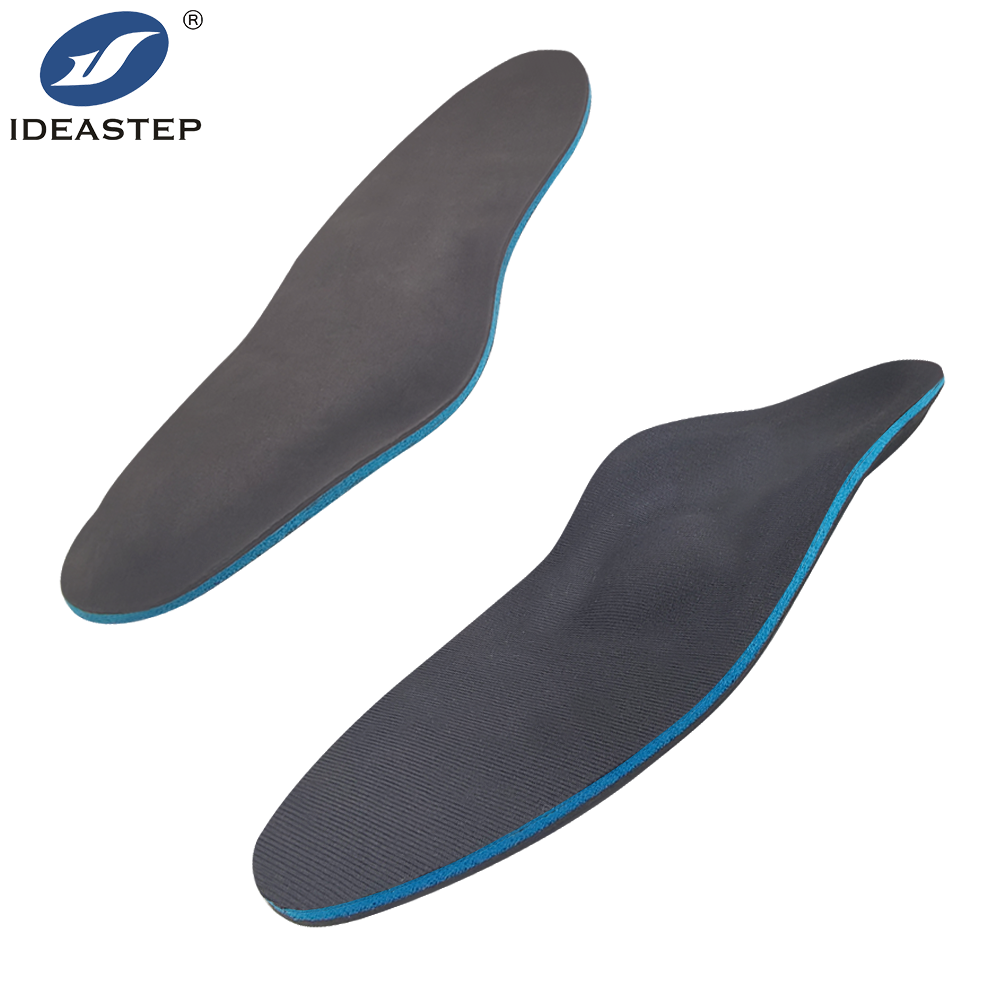
Arch support structures help improve support under the arch area, while metatarsal pads provide additional forefoot support. When combined with suitable cushioning materials and reinforcement components, these features create a more complete insole solution for different footwear applications.
For OEM projects, manufacturers can customize the arch height, metatarsal pad position, material hardness, and overall structure based on product requirements.
Key Benefits of Arch Support with Metatarsal Pad Insoles
Improved Arch Stability
A properly designed arch support structure helps create a stable platform inside footwear. Manufacturers can adjust arch height, firmness, and material density to meet different support requirements.
This customization capability allows brands to develop insole products for various footwear categories, including casual shoes, sports footwear, and professional applications.
Enhanced Metatarsal Support
Metatarsal pad design plays an important role in forefoot support and overall insole performance. By optimizing pad position and shape, manufacturers can create solutions with improved comfort and better functional support.
Custom metatarsal pad designs can be adjusted according to footwear construction, target users, and product positioning.
Balanced Cushioning and Durability
A high-quality orthotic insole requires the right balance between cushioning and structural support. Combining different foam materials and reinforcement components allows manufacturers to create products that deliver comfort, stability, and long-term performance.
Materials Used in Custom Orthotic Insoles
EVA Foam for Cushioning and Customization
EVA foam is one of the most commonly used materials in custom orthotic insole manufacturing due to its lightweight properties, flexibility, and adjustable performance.
For OEM projects, EVA characteristics can be customized through:
- Hardness adjustment
- Density control
- Thickness selection
- Rebound optimization
Different EVA formulations allow manufacturers to develop solutions ranging from comfort-focused insoles to stronger support-oriented designs.
TPU Reinforcement for Structural Support
TPU reinforcement components are commonly integrated into the heel or arch area to improve structural stability while maintaining flexibility.
This support structure helps maintain the insole shape, enhance overall support performance, and improve long-term product durability.
With its balance of strength and flexibility, TPU is widely used in functional footwear, sports applications, and premium orthotic insole designs.
This material combination is widely used in functional footwear, sports applications, and premium orthotic products.
Custom Insole Applications
Orthotic and Healthcare Products
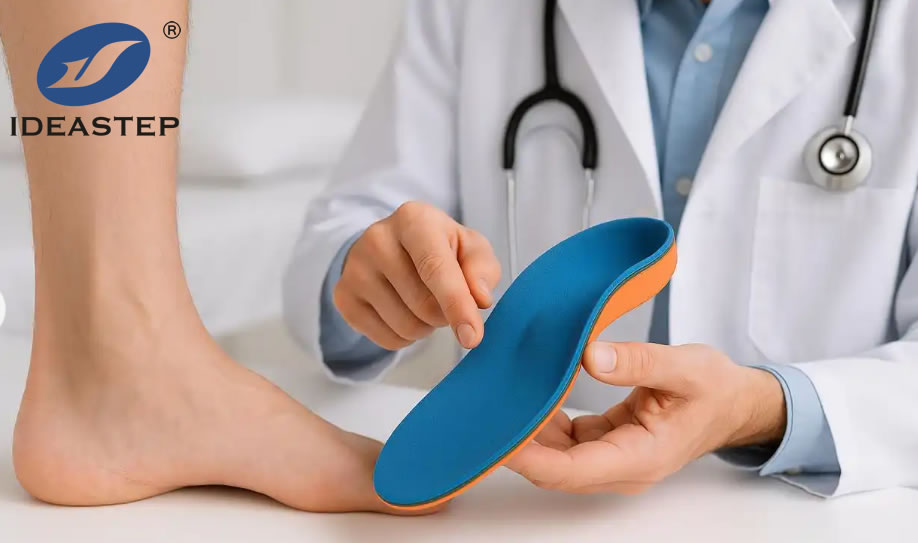
Orthotic suppliers and healthcare footwear brands often require reliable support structures and consistent manufacturing quality.
Custom Arch Support with Metatarsal Pad insoles can be developed with:
- Customized support levels
- Different material combinations
- Size and shape adjustments
- Private label options
Sports Footwear
Sports footwear brands require lightweight insole solutions that combine cushioning, stability, and performance.
Custom designs may include:
- Arch support structures
- Metatarsal support components
- Shock absorption layers
- Lightweight foam materials
Work and Safety Footwear
Work footwear requires durable insole solutions designed for extended use and demanding environments.
Custom orthotic insoles can be developed for:
- Safety shoes
- Industrial footwear
- Professional work shoes
- Healthcare footwear
OEM and Private Label Orthotic Insole Solutions
For footwear brands and distributors, customized insole development provides opportunities to create differentiated products instead of relying on standard designs.
An experienced OEM manufacturer can support:
- Custom insole structure design
- Material selection
- Prototype development
- Logo customization
- Private label packaging
- Bulk production
From initial concept to finished products, professional manufacturers help brands develop reliable insole solutions that meet specific market requirements.
Custom Insole Development Process
Design Evaluation
The development process begins with understanding footwear category, product positioning, support requirements, and material preferences.
Prototype Development
Engineers select suitable materials and create prototypes based on comfort, support, durability, and footwear compatibility requirements.
Production and Quality Control
Before mass production, products are evaluated through material inspection, structural checks, and quality control procedures to ensure consistent performance.
How to Choose an Orthotic Insole Manufacturer
Choosing the right manufacturing partner is essential for brands developing custom footwear products.
A professional supplier should have experience in:
- Orthotic product development
- Material engineering
- OEM and private label production
- Quality control management
Strong manufacturing capability allows brands to develop customized products with stable quality, flexible design options, and reliable production support.
Frequently Asked Questions
What is the purpose of a metatarsal pad in an insole?
A metatarsal pad is a functional component designed to provide additional forefoot support and improve the overall structure of an insole.
Can Arch Support with Metatarsal Pad insoles be customized?
Yes. OEM manufacturers can customize support structure, materials, thickness, size, and packaging according to customer requirements.
What materials are commonly used for custom orthotic insoles?
Common materials include EVA foam, TPU reinforcement, PU foam, memory foam, fabric layers, and other functional materials.
Conclusion: Developing Better Orthotic Solutions with Advanced Insole Design
Arch Support with Metatarsal Pad solutions provide footwear brands and orthotic suppliers with a flexible way to develop functional and customized insole products.
By combining advanced materials, optimized structures, and professional OEM manufacturing capabilities, brands can create orthotic insoles that deliver comfort, support, durability, and market differentiation.
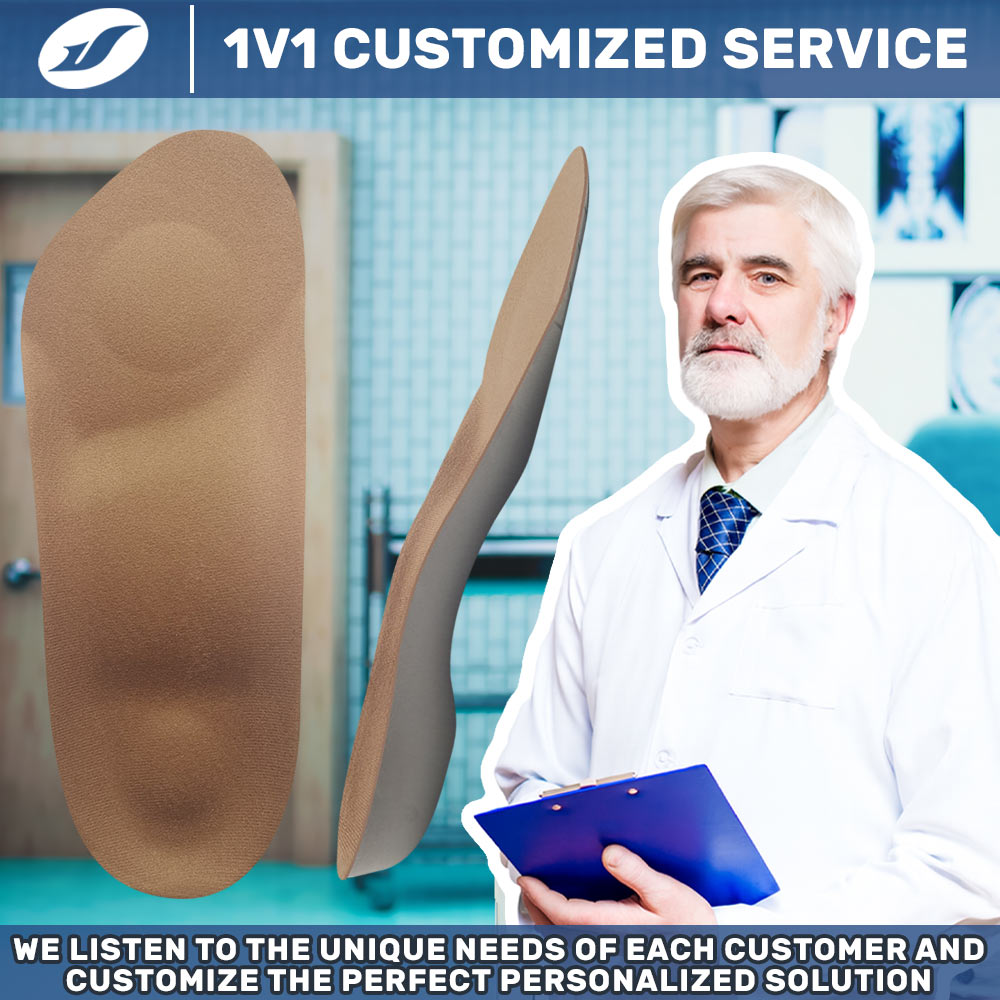
Looking for a Custom Arch Support with Metatarsal Pad Insole Supplier?
We provide OEM/ODM orthotic insole solutions, including custom arch support designs, metatarsal pad integration, material customization, private label production, and bulk manufacturing support for global footwear brands and distributors.
Contact our team to discuss your next custom insole project.
Explore More:
Shoe Inserts with Metatarsal Pads Manufacturer | Custom OEM Solutions
Metatarsal Pads and Ball of Foot Cushions for Footcare Brands and Orthotic Solutions