As footwear brands continue to focus on comfort, performance, and product differentiation, breathable insoles have become an important part of modern footwear development. The right insole design can improve wearing comfort, moisture control, and overall footwear performance.
For shoe manufacturers, wholesalers, and private label brands, choosing the best breathable insoles requires more than selecting a soft material. A high-quality insole should combine breathable surface fabrics, cushioning foam, supportive structures, and durable construction to meet different footwear applications.
With professional OEM and ODM manufacturing capabilities, customized breathable insoles can be developed for sports shoes, work footwear, safety shoes, casual footwear, and orthopedic applications.
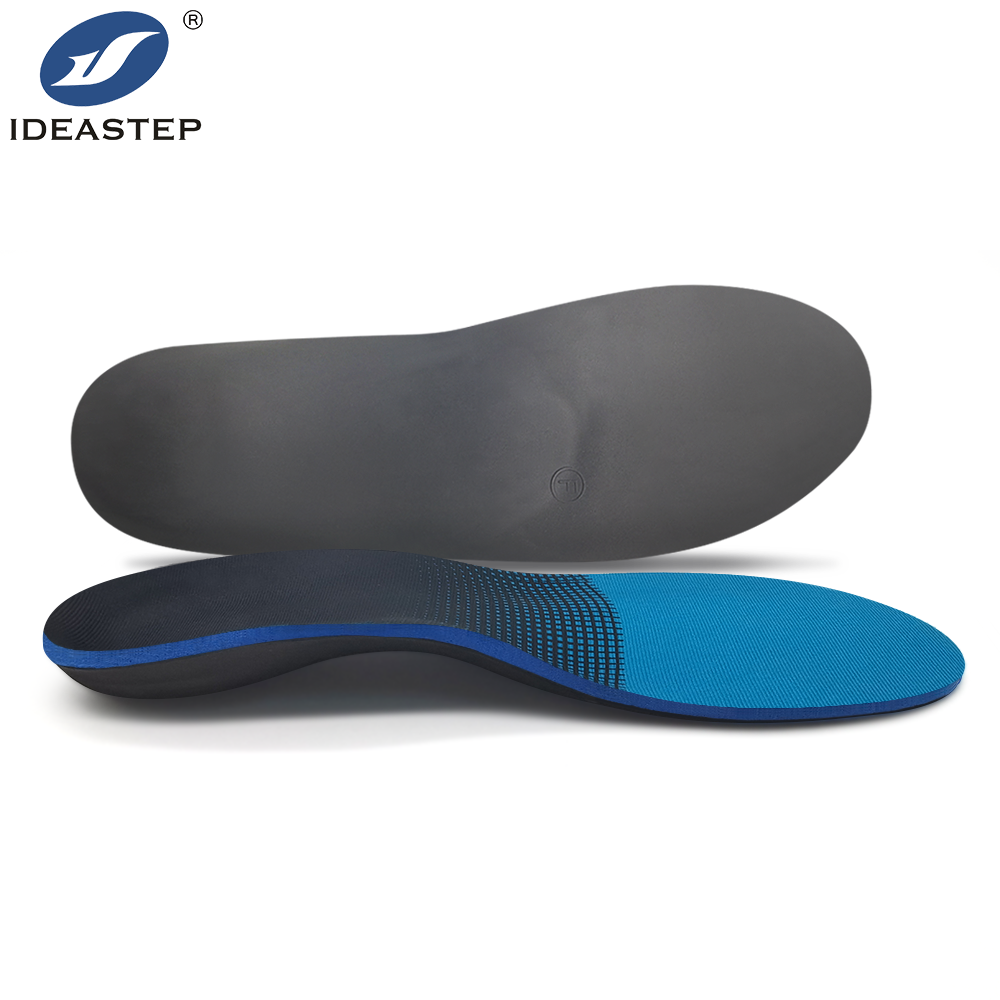
Why Breathability Matters in Footwear Insoles
Feet generate heat and moisture during daily activities, especially when users spend long hours walking, standing, or exercising. Without proper ventilation, heat and sweat can accumulate inside footwear, affecting comfort and wearing experience.
The best breathable insoles are designed to improve airflow and moisture control while maintaining essential functions such as cushioning, support, and shock absorption.
For footwear brands, breathable insole solutions can provide additional product value by improving comfort features and helping footwear stand out in competitive markets.
Key Features of High-Quality Breathable Insoles
From a manufacturing perspective, breathable performance depends on the complete insole structure rather than a single material. A well-designed breathable insole typically combines multiple layers to achieve a balance between ventilation, comfort, and durability.
1. Moisture-Wicking and Breathable Top Layer
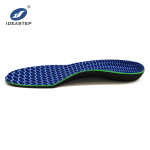
The top layer directly contacts the foot, making fabric selection an important factor. Common materials include mesh fabric, microfiber, and moisture-wicking textiles.
These materials help improve air circulation and reduce moisture buildup, making them suitable for sports footwear, work shoes, and everyday walking shoes.
2. Lightweight EVA Foam Cushioning Layer
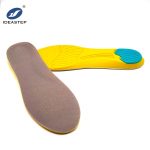
EVA foam is one of the most widely used materials in breathable insoles because of its lightweight properties, flexibility, and shock absorption performance.
Different EVA densities can be selected according to footwear requirements. Softer EVA foam provides enhanced cushioning and comfort, while higher-density EVA offers stronger support and durability for demanding applications.
For wholesale and OEM footwear projects, EVA foam selection plays an important role in achieving the desired balance between comfort, weight, and product lifespan.
3. Supportive Structure for Different Footwear Applications
Breathability is only one part of a professional insole solution. Many footwear brands require insoles that provide additional support features to improve overall performance.
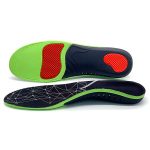
- Arch support structures for improved foot stability
- Heel cushioning zones for impact protection
- Anti-slip bottom layers for better positioning
- Multi-layer construction for enhanced durability
- Customized shapes based on footwear design requirements
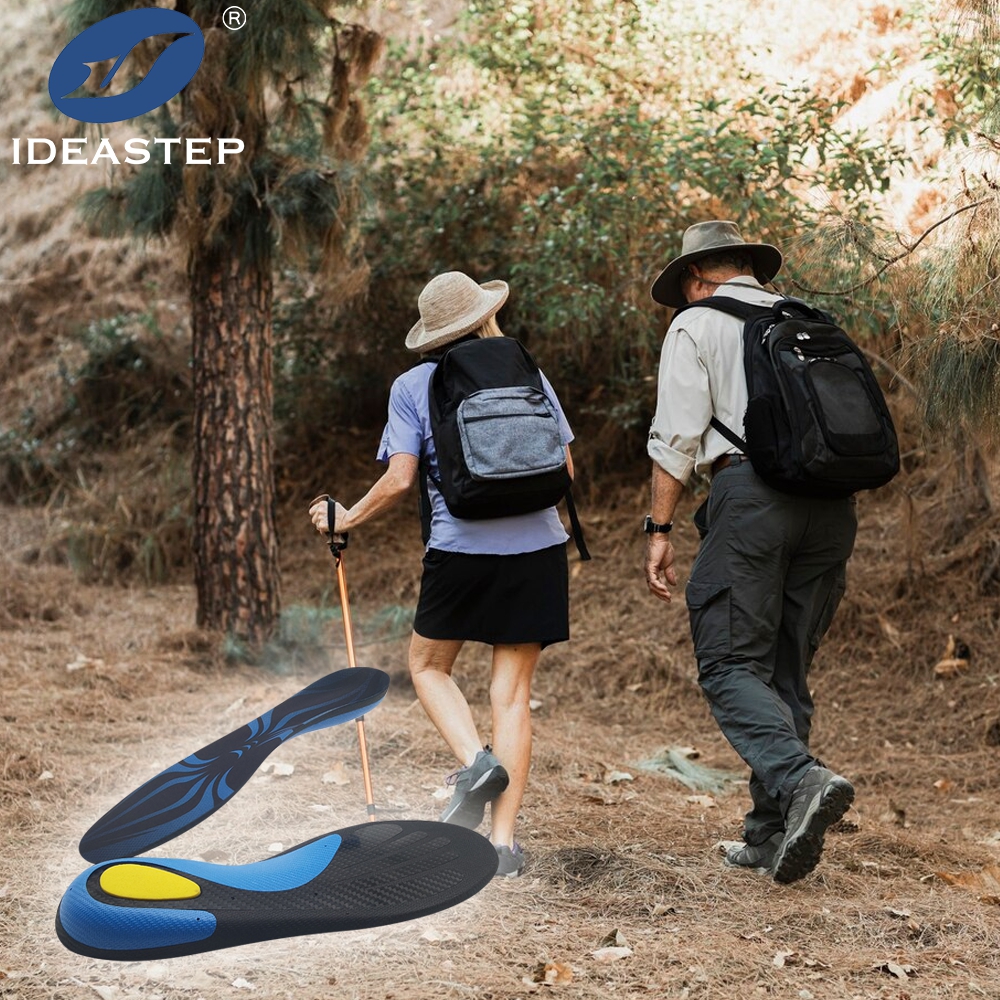
Applications of Breathable Insoles for Different Markets
Different footwear categories have different performance requirements. Professional insole manufacturers can customize materials and structures based on specific market needs.
Breathable Insoles for Sports Footwear
Sports footwear requires lightweight cushioning, ventilation, and flexibility. Breathable sports insoles help create a more comfortable foot environment during running, training, and outdoor activities.
For sports brands, customized insole designs can also support product positioning by improving comfort and performance features.
Breathable Insoles for Work and Safety Shoes
Workers who stand or walk for extended periods need footwear that provides reliable cushioning and moisture control. Breathable insoles are commonly used in safety shoes, industrial footwear, and occupational footwear.
Durable foam structures and supportive designs can help improve long-term wearing comfort in demanding working environments.
Breathable Orthotic Insoles
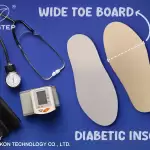
For orthopedic footwear applications, breathable materials can be combined with functional support structures to create comfortable and supportive insole solutions.
Custom breathable orthotic insoles can be developed according to different foot shapes, footwear designs, and customer requirements.
Custom Breathable Insoles for OEM and Private Label Brands
For footwear brands and distributors, customization capability is an important factor when selecting an insole supplier. A professional OEM manufacturer should provide flexible solutions from product development to bulk production.
Custom breathable insoles can be developed with options including:
- Different EVA foam densities and hardness levels
- Customized thickness and insole structures
- Various breathable fabric top layers
- Brand logos and private label packaging
- Customized designs for specific footwear categories
Working with an experienced custom insole manufacturer allows brands to create differentiated products while maintaining consistent quality for large-volume orders.
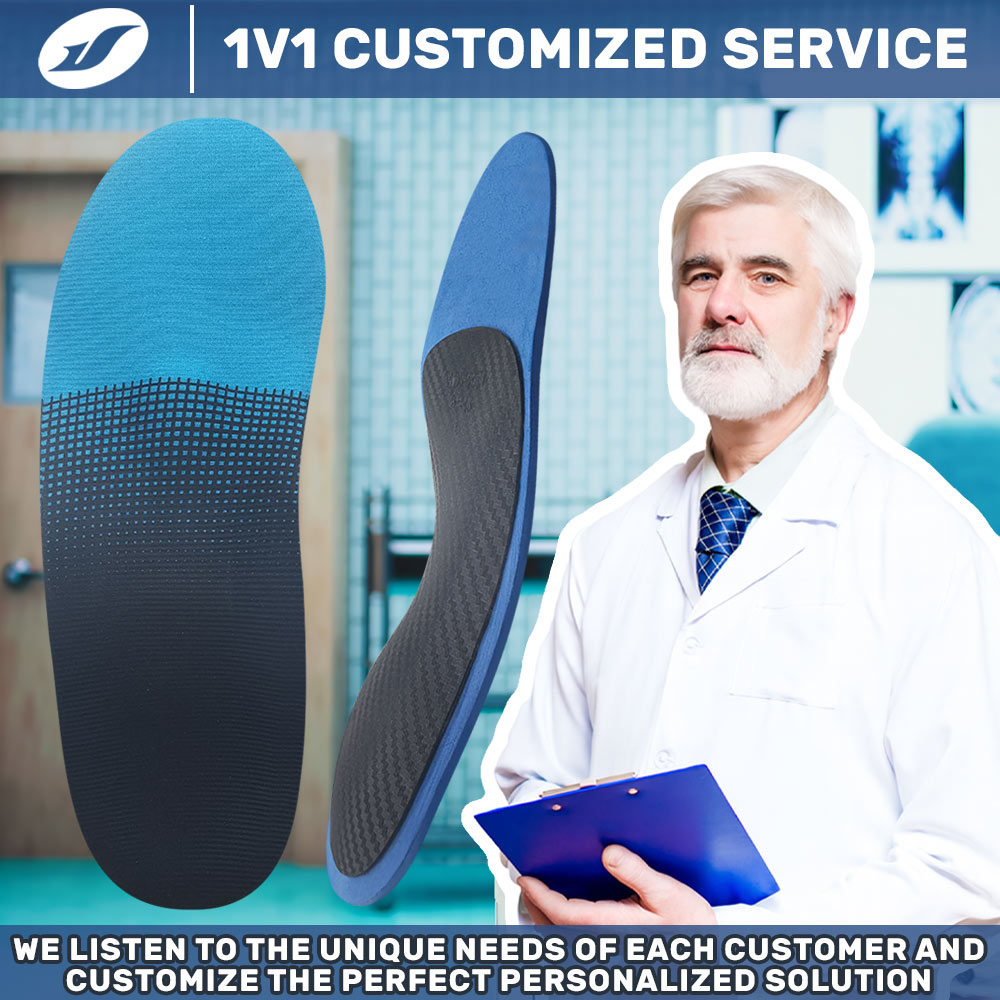
How to Choose a Reliable Breathable Insole Supplier?
Selecting the right supplier is critical for footwear companies that require stable quality and long-term cooperation. Before placing wholesale orders, buyers should evaluate several important factors.
- Manufacturing Experience: Suppliers with extensive industry experience understand different footwear applications and material requirements.
- Material Capability: A reliable supplier should offer multiple material options, including EVA foam, PU, TPU, fabric layers, and other composite materials.
- OEM/ODM Service: Custom development capability helps brands create unique products for different markets.
- Production Capacity: Stable manufacturing processes ensure consistent quality for bulk orders.
- Quality Control: Professional inspection procedures help maintain product performance and reliability.
Why Partner with a Professional Breathable Insole Manufacturer?
The footwear market continues to demand products that combine comfort, functionality, and value. A professional breathable insole manufacturer can provide complete solutions from material selection and product design to mass production.
For wholesalers, footwear brands, and distributors, working with an experienced supplier reduces development risks and creates opportunities for customized footwear solutions.
Whether you need breathable sports insoles, orthopedic support insoles, or private label footwear components, choosing the right manufacturing partner is essential for building competitive products.
Frequently Asked Questions About Breathable Insoles
Are breathable insoles suitable for long hours of standing?
Yes. Breathable insoles with cushioning foam and supportive structures are suitable for work shoes and occupational footwear because they help improve comfort during extended periods of standing or walking.
Can breathable insoles be customized for different footwear brands?
Yes. OEM and ODM manufacturers can customize materials, thickness, structures, colors, logos, and packaging according to brand requirements.
What materials are commonly used in breathable insoles?
Common materials include EVA foam, mesh fabric, microfiber, PU foam, TPU support components, and moisture-wicking textile layers. Material combinations can be adjusted according to footwear applications.
Conclusion
The best breathable insoles combine ventilation, cushioning, support, and durability to improve footwear performance. For footwear brands, wholesalers, and distributors, customized breathable insole solutions provide an effective way to enhance product value and meet different market demands.
For OEM/ODM cooperation, customization options, or bulk orders, please contact us directly. Our team is ready to provide professional breathable insole solutions for your footwear business.
Explore More:
What material is the best choice for breathable insoles
Breathable Shoe Insoles: Materials, Design Features, and OEM Solutions