EVA plastic, also known as Ethylene Vinyl Acetate, is a flexible polymer material made from ethylene and vinyl acetate. Unlike traditional rigid plastics, EVA is softer, more elastic, and widely used in applications that require flexibility, cushioning, and durability.
From footwear to protective products, EVA has become a practical material choice because its properties can be adjusted for different performance requirements.
What Is EVA Plastic?
EVA plastic refers to Ethylene Vinyl Acetate, a copolymer formed by combining ethylene and vinyl acetate.
The two components provide different characteristics:
- Ethylene: Improves strength and durability.
- Vinyl acetate: Adds softness, flexibility, and elasticity.
By changing the ratio of these components, manufacturers can adjust EVA’s hardness, flexibility, and performance for different applications.
Is EVA Plastic Different from Regular Plastic?
Yes. Although EVA is classified as a plastic material, it performs differently from many common plastics.
Traditional plastics such as polyethylene and polypropylene are usually rigid and designed for structural strength. EVA, on the other hand, is softer and more flexible, making it suitable for products that require cushioning, comfort, and impact absorption.
How Is EVA Plastic Made?
EVA is produced by combining ethylene and vinyl acetate through a polymerization process. Its final performance depends on factors such as material composition, density, hardness, and processing methods.
These factors allow manufacturers to create EVA materials for different uses, from soft cushioning products to more supportive components.
Key Properties of EVA Plastic
Lightweight
EVA has a low-density structure, which helps reduce product weight while maintaining useful performance. This makes it especially valuable in footwear and sports products.
Flexible and Elastic
EVA can bend repeatedly without easily cracking, providing comfort and durability in products exposed to regular movement.
Cushioning and Shock Absorption
EVA foam provides excellent cushioning and impact absorption, which is why it is commonly used in shoe midsoles, foot insoles, and protective materials.
Moisture Resistance
The closed-cell structure of EVA helps reduce water absorption, making it suitable for footwear and outdoor applications.
Common Applications of EVA Plastic
EVA in Footwear
Footwear is one of the largest application areas for EVA.
Common uses include:
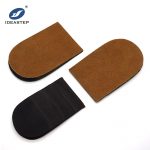
- Shoe midsoles
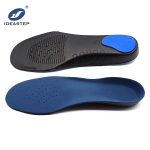
- Foot insoles
- Sports footwear
- Orthotic support products
EVA helps footwear manufacturers achieve a balance between cushioning, flexibility, and lightweight performance.
EVA Foam and Protective Products
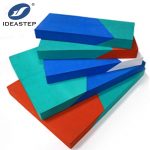
When processed into foam, EVA provides improved cushioning and protection.
Common applications include:
- Protective packaging
- Equipment padding
- Tool case liners
- Sports protection materials
Industrial Applications
EVA is also used in industrial products that require lightweight protection, flexibility, and impact resistance.
Frequently Asked Questions About EVA Plastic
Is EVA plastic safe?
EVA is commonly used in footwear, sports products, and packaging. Its suitability depends on product design, manufacturing standards, and intended use.
What is the difference between EVA and regular plastic?
Regular plastics are generally rigid, while EVA is softer, more flexible, and better suited for cushioning and comfort applications.
Is EVA plastic waterproof?
EVA is water-resistant because its closed-cell structure limits water absorption, but it is not completely waterproof.
Conclusion
EVA plastic is a flexible polymer material that combines strength, softness, and elasticity.
With adjustable properties such as hardness and density, EVA can be customized for applications including footwear, sports products, protective materials, and industrial components.
Related Reading:
What Is EVA Foam Made Of?
What Is Ethylene Vinyl Acetate (EVA)?
Is EVA Material Slippery?