Choosing the right outsole material is essential for footwear brands, manufacturers, and wholesale buyers because it directly affects comfort, durability, weight, and product performance.
EVA outsoles are widely used in sports shoes, casual footwear, and comfort footwear due to their lightweight structure and cushioning properties. However, selecting the right EVA material requires careful evaluation of density, hardness, rebound, and compression resistance.
What Is an EVA Outsole?
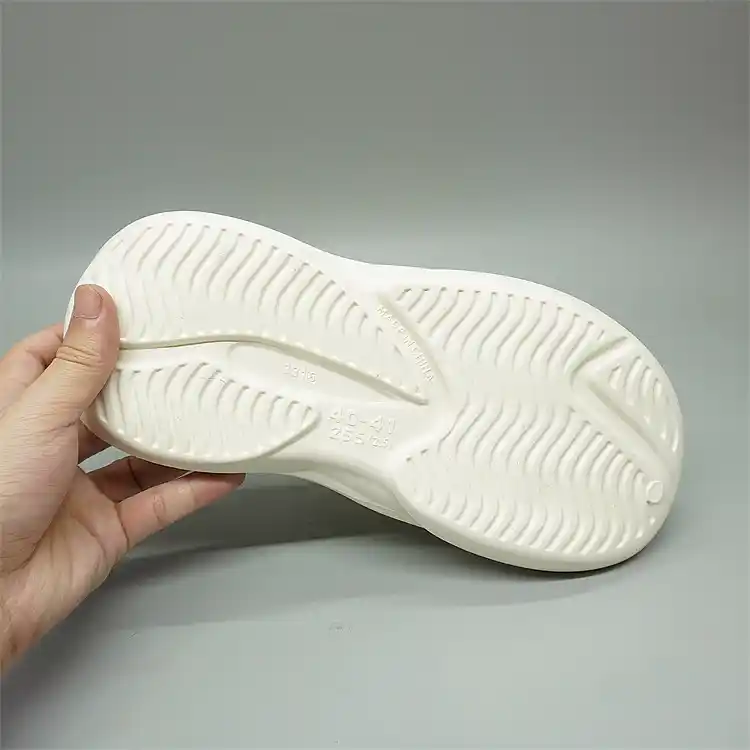
An EVA outsole is a shoe sole component made from Ethylene Vinyl Acetate (EVA), a lightweight foam material widely used in footwear production.
Compared with many traditional outsole materials, EVA offers advantages in weight reduction, cushioning, flexibility, and design adaptability, making it suitable for various footwear applications.
Why Footwear Brands Choose EVA Outsoles
For footwear manufacturers, EVA provides a flexible material option that can be adjusted according to product positioning, performance requirements, and target markets.
Lightweight Performance
EVA helps reduce overall shoe weight while maintaining comfortable cushioning. This makes it a popular choice for running shoes, casual shoes, and everyday footwear.
Cushioning and Comfort
EVA foam provides shock absorption and cushioning. By adjusting EVA density and hardness, manufacturers can create different levels of softness, support, and impact protection.
Production Flexibility
EVA can be customized in terms of hardness, density, color, thickness, and structure, allowing brands to develop footwear products with different designs and performance requirements.
Key Factors When Selecting EVA Outsole Materials
Choosing an EVA outsole is not only about selecting a lightweight material. In footwear manufacturing, material properties directly influence product durability, comfort, and user experience.
EVA Density
EVA density affects weight, softness, durability, and support. Lower-density EVA is suitable for lightweight footwear requiring flexibility and cushioning, while higher-density EVA provides stronger support and longer-lasting performance.
Hardness Level
Hardness determines the balance between cushioning and stability. Softer EVA creates a more comfortable feel, while firmer EVA provides stronger structural support.
The suitable hardness depends on the footwear type and performance requirements of the final product.
Balancing Density and Hardness
Density and hardness should be evaluated together during EVA outsole development. A harder material does not always mean better performance. The ideal combination depends on shoe construction, application, and expected wearing conditions.
Rebound and Compression Performance
Rebound performance affects energy return and responsiveness, especially in sports footwear. Compression resistance determines how well EVA maintains its shape after repeated use.
For long-term durability, manufacturers need to select EVA materials with suitable rebound and compression properties based on product requirements.
Choosing EVA Outsoles for Different Footwear Applications
Sports Footwear
Sports footwear usually requires lightweight cushioning, flexibility, and energy return. EVA outsoles are widely used in running shoes, training shoes, and outdoor footwear.
Casual Footwear
Casual footwear focuses on comfort, appearance, and daily wearability. EVA allows brands to create lightweight shoes with different colors, shapes, and outsole designs.
Work and Comfort Footwear
Work and comfort footwear often require stronger durability and support. Higher-density EVA materials or reinforced EVA structures can improve performance for extended use.
OEM Custom EVA Outsole Development
For footwear brands looking to create differentiated products, custom EVA outsole development provides greater control over material performance, structure, and appearance.
Material Adjustment
An experienced EVA sole material supplier can adjust EVA formulations according to specific requirements, including density, hardness, flexibility, and cushioning performance.
Structure Design
Custom EVA outsoles can be developed with different design options, including:
- Customized outsole shapes
- Different thickness structures
- Surface texture designs
- Color customization
- Brand logo integration
Sample Development
Before mass production, manufacturers usually develop samples to verify outsole structure, material performance, appearance, and compatibility with the footwear design.
Sample approval helps reduce production risks and ensures the final product meets brand requirements.
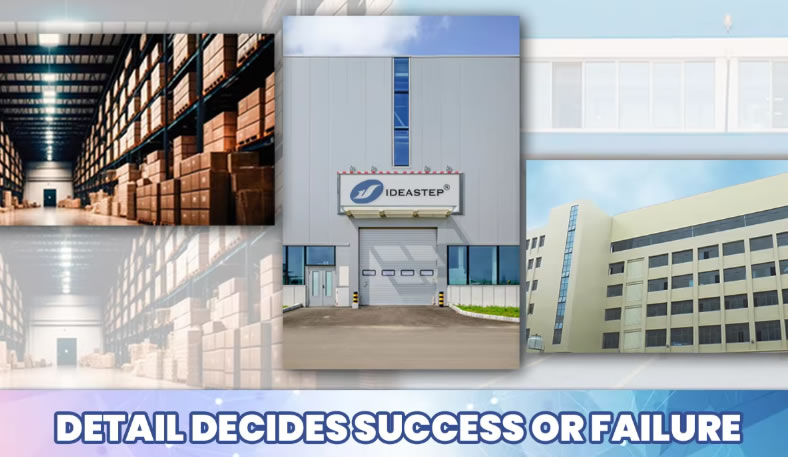
How to Choose an EVA Outsole Manufacturer?
Selecting the right supplier is important for footwear companies that need stable quality, customization support, and reliable production capacity.
Manufacturing Experience
An experienced EVA outsole manufacturer understands EVA characteristics, footwear applications, and production processes, helping customers select suitable materials for different products.
Material Development Capability
A capable supplier should be able to adjust EVA formulations and recommend suitable material combinations based on performance targets.
Customization Capability
OEM partners should support customized materials, structures, colors, sizes, packaging, and product specifications according to customer requirements.
Quality Control and Production Capacity
For wholesale orders, consistent quality control and stable production capacity are essential for maintaining reliable product performance and delivery schedules.
FAQ About EVA Outsoles
Is EVA a good material for shoe outsoles?
Yes. EVA is widely used in footwear because of its lightweight structure, cushioning performance, flexibility, and customization possibilities.
Can EVA outsoles be customized?
Yes. EVA outsoles can be customized in terms of density, hardness, color, thickness, shape, and surface design.
Can EVA outsole manufacturers provide OEM services?
Yes. Experienced manufacturers can support OEM projects from material selection and sample development to customized production and bulk orders.
Conclusion
Choosing the right EVA outsole material requires a clear understanding of footwear requirements, material properties, and production goals. The correct combination of density, hardness, cushioning, and durability can improve footwear performance and user experience.
For footwear brands, distributors, and manufacturers, working with an experienced EVA outsole manufacturer helps develop customized outsole products with stable quality and reliable production support.
Whether you need customized EVA outsole materials or reliable bulk production support, our team can help develop footwear solutions that match your product requirements.
Related product links: https://www.aideastep.com/product/ideastep-a-premium-custom-eva-foam-sheet-for-soles-high-rebound-lightweight-industrial-grade/.