
A European healthcare brand approached Ideastep with the goal of developing a customized orthotic insole line for its professional foot care market. The company was looking for more than a standard insole supplier — it needed a manufacturing partner with experience in product development, material selection, structural design, and reliable production.
This case study shows how an experienced orthotic insole manufacturer supported the development of a customized solution, from initial product requirements and material selection to prototype optimization and bulk production.
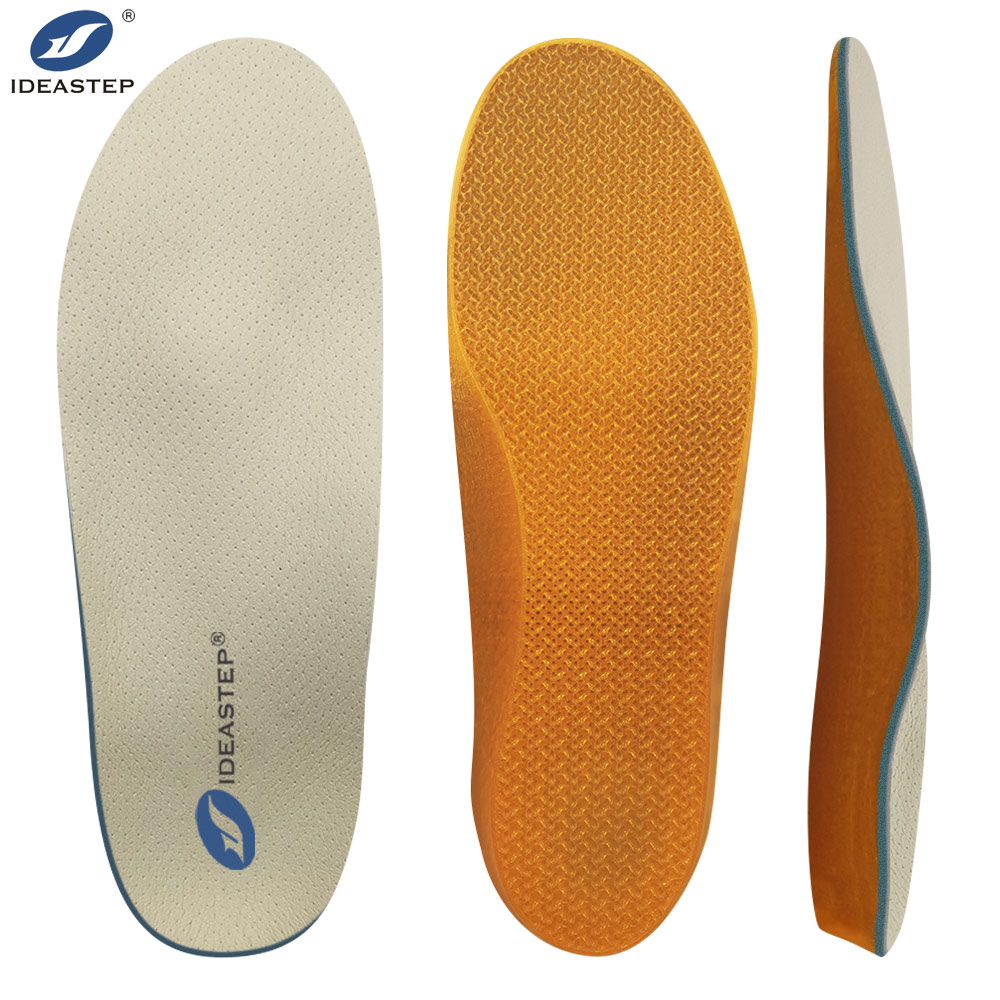
Customer Background and Project Requirements
The customer was a European healthcare company supplying foot care products through professional distribution channels. With growing demand for functional foot care solutions, the company planned to develop its own branded orthotic insole product line.
However, existing standard insole products offered limited customization options. The customer needed a product that could provide better functional support, improved comfort, and stronger differentiation in the market.
Therefore, the project required an experienced orthotic insole manufacturer that could provide complete OEM development support, including product design, material recommendations, prototype development, and production management.
Main Challenges
Moving from Standard Products to Custom Solutions
The first challenge was transforming a general insole concept into a customized product that matched the customer’s brand positioning.
The project required adjustments in:
- Insole structure design
- Material combination
- Support level
- Product appearance
- Branding elements
Balancing Support and Comfort
For healthcare-related products, support performance alone is not enough. Users also expect comfortable wearing experiences during daily activities.
The development team needed to create a balance between biomechanical support, cushioning performance, flexibility, and long-term comfort.
Maintaining Production Consistency
Healthcare brands require stable product quality, especially when products are distributed through professional channels.
The manufacturing process needed to ensure consistent material performance, structure accuracy, and production quality during bulk orders.
Project Goal: Developing Custom Orthotic Insoles for the European Market
Based on the customer’s requirements, the goal was to develop a customized orthotic insole solution suitable for healthcare applications and professional foot care markets.
The key product requirements included:
- Functional foot support
- Comfortable cushioning performance
- Durable material construction
- Compatibility with different footwear styles
- Customized branding options
The final solution needed to deliver reliable support while maintaining comfort for everyday use.
Custom Orthotic Insole Development Process
Step 1: Requirement Analysis and Product Positioning
Before product development started, Ideastep worked with the customer to understand the target market, user requirements, and product expectations.
The development team evaluated:
- Target users
- Foot support requirements
- Footwear applications
- Material preferences
- Expected production volume
For healthcare applications, stability and support were key considerations. For comfort-oriented products, cushioning and flexibility became important design factors.
Step 2: Material Selection and Combination Design
Material selection plays an important role in the performance of custom orthotic insoles. Instead of selecting materials separately, the development team focused on how different materials could work together to achieve the required performance.
EVA Foam Cushioning Layer
EVA foam was selected as a main cushioning material because its density and hardness can be adjusted according to different support and comfort requirements.
By controlling EVA properties, manufacturers can create different cushioning levels while maintaining lightweight performance.
PU Comfort Layer
PU foam was used for applications requiring a softer feel and long-lasting comfort. Its resilience helps improve the overall wearing experience.
TPU Support Structure
A TPU support component was integrated into key areas to improve structural stability and maintain support performance during long-term use.
Breathable Fabric Top Layer
The breathable fabric layer was designed to improve moisture management and enhance overall wearing comfort.
Step 3: Functional Structure Design
The internal structure of an orthotic insole directly affects support performance. Based on the customer’s requirements, several structural elements were customized.
Customized Arch Support Structure
The arch support area was adjusted according to the intended application and required support level to provide targeted foot support.
Deep Heel Cup Design
A deep heel cup structure helps improve foot positioning and provides better stability inside footwear.
Semi-Rigid Support Construction
A semi-rigid support structure was developed to provide functional support while maintaining flexibility for daily use.
Multi-Density Construction
Different density materials were combined to create specific zones for cushioning, support, and flexibility.
Step 4: Prototype Testing and Optimization
Before mass production, prototypes were developed and evaluated to confirm that the product met the customer’s requirements.
The optimization process included:
- Fit evaluation
- Structural adjustment
- Material optimization
- Comfort assessment
After adjustments and approval, the product moved into the production stage.
Final OEM Orthotic Insole Solution
After completing the development process, Ideastep delivered a customized orthotic insole solution designed for the customer’s healthcare product line.
The final product included:
- Customized arch support design
- Multi-layer material construction
- Shock absorption performance
- Breathable top layer
- Customized branding and packaging
The solution allowed the customer to introduce a differentiated product line while maintaining stable manufacturing support.
Project Results and Business Benefits
Created a Differentiated Product Portfolio
Through customized development, the customer was able to move beyond standard insole products and create a solution aligned with its own market positioning.
Improved Product Adaptability
The customized structure and material combination provided better flexibility for different footwear applications and user requirements.
Established Long-Term Manufacturing Support
By working with an experienced manufacturer, the customer gained a reliable production partner capable of supporting future product expansion.
Develop Your Custom Orthotic Insole Project with Ideastep
If you are looking for an experienced partner to develop your own orthotic insole products, Ideastep provides OEM and ODM support for healthcare brands, footwear companies, and distributors.
Our team can assist with product planning, material selection, structural design, prototype development, and customized production based on your market requirements.
For qualified business projects, Ideastep can provide sample evaluation support, allowing you to test materials, comfort, and product performance before moving into bulk production.
Contact Ideastep to discuss your custom orthotic insole requirements and explore a suitable development solution for your brand.
Why Choose an Experienced Orthotic Insole Manufacturer?
Developing successful custom orthotics requires more than manufacturing capability. A professional supplier should understand product design, material performance, and application requirements.
Product Development Experience
Experienced manufacturers can provide support in material recommendations, structural optimization, prototype development, and production improvements.
Complete OEM Development Capability
A complete OEM process helps brands move from product concepts to finished products through design support, sampling, testing, and mass production.
Quality Control and Production Management
Stable quality control systems help ensure consistent product specifications and reliable delivery for long-term cooperation.
FAQ About Custom Orthotic Insoles Development
What is the MOQ for custom orthotic insoles?
MOQ depends on product structure, materials, customization requirements, and production planning. A manufacturer can recommend suitable options based on project requirements.
Can healthcare brands customize materials and structures?
Yes. Professional manufacturers can customize materials, support structures, colors, logos, and packaging according to specific requirements.
How do manufacturers support OEM orthotic insole projects?
Experienced suppliers can support the complete process, including product consultation, design development, prototype testing, production, and quality control.
Conclusion
Developing high-quality custom orthotic insoles requires close cooperation between healthcare brands and experienced manufacturing partners. Every stage, from material selection and structural design to prototype optimization and production control, affects the final product performance.
By partnering with Ideastep, healthcare brands can develop customized orthotic solutions supported by professional manufacturing experience, flexible OEM services, and reliable production capabilities.
Related Reading: How We Help Global Brands Develop Custom Orthotic Insoles.