EVA material, also known as Ethylene Vinyl Acetate, is a versatile polymer known for its lightweight structure, flexibility, cushioning performance, and adjustable properties.
Because EVA properties can be modified through formulation and processing methods, it is widely used in footwear, sports products, packaging, and industrial applications. Understanding these characteristics helps manufacturers select the right EVA material for different product requirements.
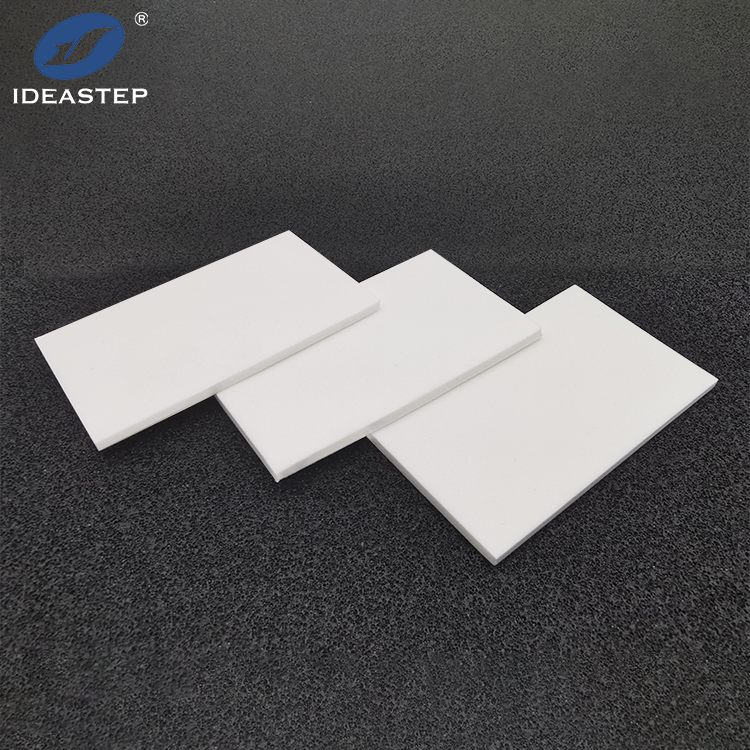
What Is EVA Material?
EVA is a copolymer made from ethylene and vinyl acetate. The ratio of these components affects important performance factors such as hardness, flexibility, elasticity, and cushioning ability.
By adjusting material composition, density, and processing methods, manufacturers can produce EVA with different levels of softness, support, and durability for specific applications.
Key Properties of EVA Material
Lightweight Structure
One of the most recognized properties of EVA is its lightweight structure.
EVA foam contains a cellular structure that reduces weight while maintaining cushioning performance. This makes it suitable for products where comfort and reduced weight are important, especially footwear and sports products.
Flexibility and Elasticity
EVA offers excellent flexibility and can withstand repeated bending without easily cracking.
This elasticity allows EVA products to maintain comfort during movement, making it suitable for applications that require flexibility and long-term use.
Cushioning Performance
EVA provides effective shock absorption, especially when processed into foam.
The cellular structure helps absorb impact forces, which is why EVA is commonly used in shoe midsoles, foot insoles, sports equipment, and protective materials.
Adjustable Hardness and Density
A key advantage of EVA is that its hardness and density can be customized according to different application needs.
Softer EVA grades provide better cushioning and comfort, while firmer grades offer improved support and stability.
Moisture Resistance
EVA has a closed-cell structure that helps reduce water absorption.
This property makes EVA suitable for footwear, outdoor products, and applications where moisture resistance is required.
EVA Material Performance Overview
| Property | Description |
|---|---|
| Density | Determines material weight, cushioning level, and overall feel |
| Hardness | Controls softness, support, and application suitability |
| Compression Resistance | Affects long-term cushioning performance under repeated pressure |
| Rebound | Influences energy return and comfort during movement |
Common Applications of EVA Material
EVA in Footwear
Footwear is one of the most common applications for EVA materials.
EVA is used in:
- Shoe midsoles
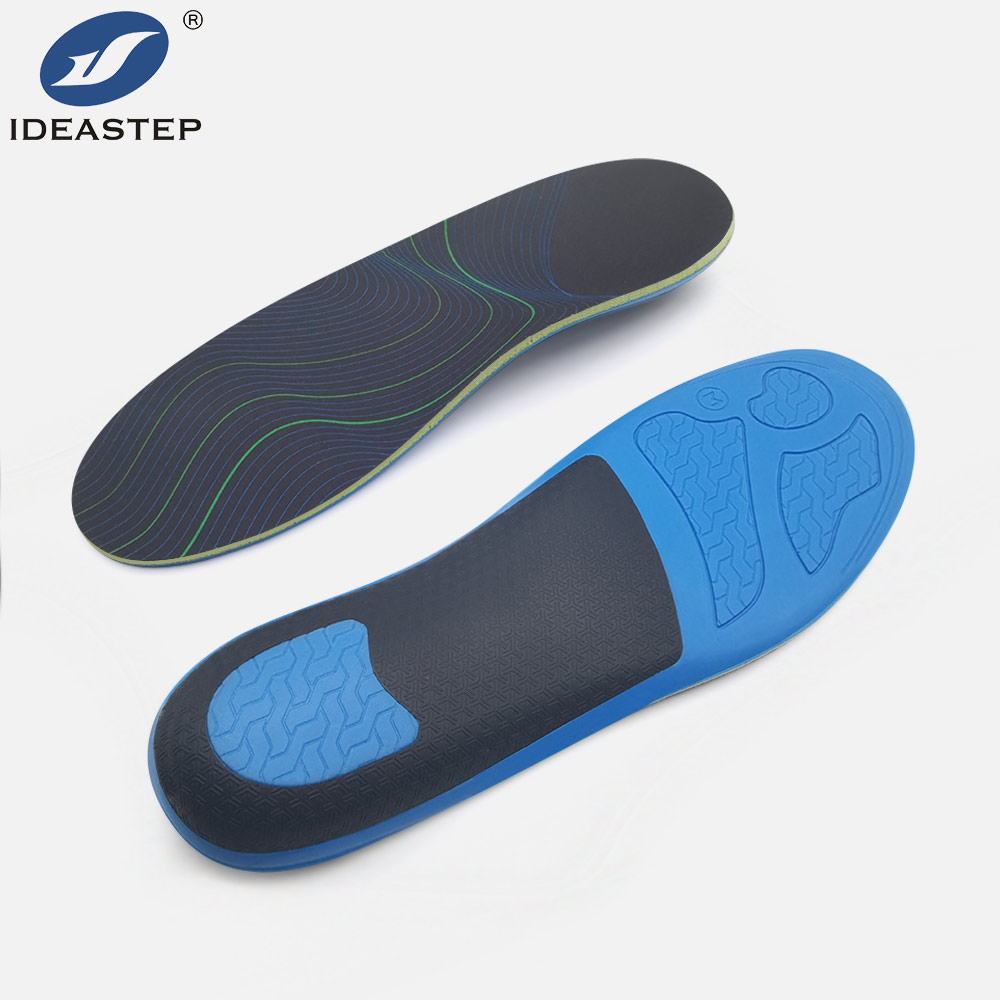
- Foot insoles
- Sports footwear
- Comfort footwear
- Orthotic products
Its combination of cushioning, flexibility, and lightweight performance makes EVA a popular choice for footwear designs focused on comfort.
EVA in Sports and Protective Products
EVA foam is also used in sports and protective products where impact absorption and lightweight protection are required.
Common examples include:
- Sports mats
- Protective padding
- Equipment liners
EVA in Packaging and Industrial Applications
EVA is used in packaging and industrial products that require flexible protection, shock absorption, and easy processing.
Factors Affecting EVA Material Properties
The final performance of EVA depends on several factors:
- Vinyl acetate content: Influences softness and flexibility.
- Density: Affects weight, support, and cushioning performance.
- Hardness: Determines the balance between comfort and stability.
- Processing methods: Affect the final structure and material performance.
Conclusion
EVA material properties, including lightweight performance, flexibility, cushioning, and adjustable hardness, make it suitable for a wide range of applications.
From footwear and sports products to protective materials, EVA remains an important material choice because its performance can be customized for different requirements.
Related Reading:
What is EVA material made of?
How to Choose the Right Supplier for EVA Material Insoles