Carbon fiber is a lightweight composite material known for its high strength, stiffness, and durability. In insole design, manufacturers use carbon fiber mainly to improve structural support, enhance stability, and create a thin but strong reinforcement layer inside footwear.
However, carbon fiber does not replace every type of insole. The right choice depends on the balance between support, flexibility, cushioning, and the purpose of the footwear.
What Is a Carbon Fiber Insole?
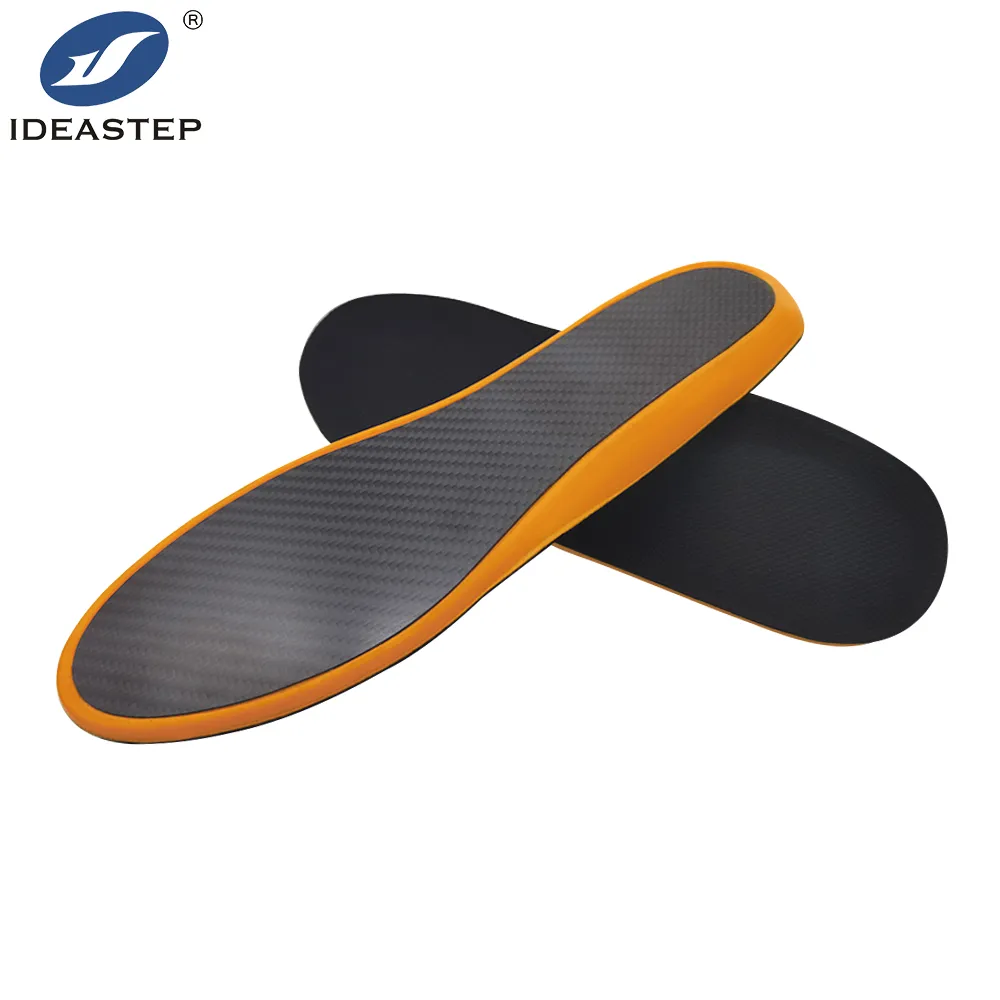
A carbon fiber insole combines carbon fiber composite layers with other insole materials to create a stronger support structure.
Unlike soft foam insoles that focus mainly on cushioning, carbon fiber designs control flexibility and help create a more stable platform inside the shoe.
Manufacturers often use carbon fiber in:
- Performance footwear
- Sports shoes
- Support-focused footwear designs
- Orthotic insole applications
Key Benefits of Carbon Fiber Insoles
Lightweight and Strong Support
Carbon fiber offers an excellent strength-to-weight ratio, allowing designers to create thin support structures without adding unnecessary weight.
This feature makes carbon fiber useful for footwear that requires both lightweight performance and enhanced structural support.
Improved Stability and Structure
Carbon fiber provides controlled stiffness that limits excessive bending of the insole structure during movement.
This characteristic helps maintain a more stable feeling inside the shoe, especially for footwear designs that require firmer support.
Long-Term Structural Performance
Carbon fiber maintains its shape well under repeated stress and resists deformation when manufacturers design the structure correctly.
As a result, carbon fiber components can deliver consistent support throughout long-term use.
Thin Profile Design
Carbon fiber combines high strength with a thin structure, which allows manufacturers to add reinforcement without taking up much space inside the shoe.
This advantage works well for footwear with limited internal room.
Limitations of Carbon Fiber Insoles
Less Cushioning Compared with Foam Materials
Carbon fiber focuses on support and reinforcement rather than softness.
Compared with EVA, PU, and other foam materials, carbon fiber provides less natural cushioning. Many insole designs combine carbon fiber with cushioning layers to achieve a better balance between support and comfort.
Reduced Flexibility
The rigid structure of carbon fiber limits natural bending compared with softer materials.
This stiffness benefits support-focused designs but may not suit users who prefer a softer and more flexible underfoot feel.
Carbon Fiber Insoles vs Foam-Based Insoles
| Feature | Carbon Fiber Insoles | Foam-Based Insoles |
|---|---|---|
| Main Function | Provides structural support and reinforcement | Provides cushioning and comfort |
| Flexibility | Offers a more rigid structure | Offers a softer and more flexible feel |
| Cushioning | Provides limited cushioning | Provides better shock absorption |
| Weight | Maintains a lightweight structure | Depends on foam type and density |
| Best Use | Works well for support-focused footwear | Works well for daily comfort applications |
Who Are Carbon Fiber Insoles Suitable For?
Carbon fiber insoles work well for footwear designs that need additional structural support, lightweight reinforcement, or a thinner support layer.
Common applications include:
- Sports footwear that requires improved stability
- Shoes with limited internal space
- Footwear designs that need a firmer support structure
- Orthotic insole solutions with reinforcement layers
Carbon Fiber vs EVA Insoles: Which One Is Better?
Carbon fiber and EVA serve different purposes, so neither material works better for every application.
Carbon fiber works best when footwear requires stiffness, structural support, and lightweight reinforcement.
EVA works better when users need cushioning, shock absorption, and everyday comfort.
Many advanced insole designs combine both materials. Carbon fiber provides reinforcement, while EVA foam adds cushioning and improves comfort.
Conclusion
Carbon fiber offers a valuable solution for insoles that require lightweight reinforcement, structural support, and durability.
However, the ideal insole material depends on footwear design, application requirements, and the desired balance between support and comfort.
Related Reading:
Carbon Fiber Shoe Insert for Toe Walking
Carbon Fiber Shoe Inserts for Mid-Foot Arthritis Patients