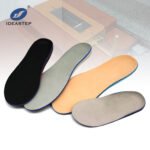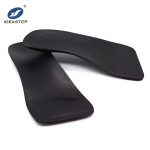
When sourcing orthotic insoles in bulk, buyers need to evaluate more than product cost. Material performance, manufacturing capability, customization options, and production consistency all influence the success of an orthotic product line.
For foot care brands, healthcare suppliers, footwear companies, and distributors, choosing the right orthotic insole supplier can help reduce development risks and ensure stable product quality for long-term business growth.
This guide highlights the key factors to consider when selecting a supplier for bulk orthotic insoles, from manufacturing experience and material selection to OEM capability and quality control.
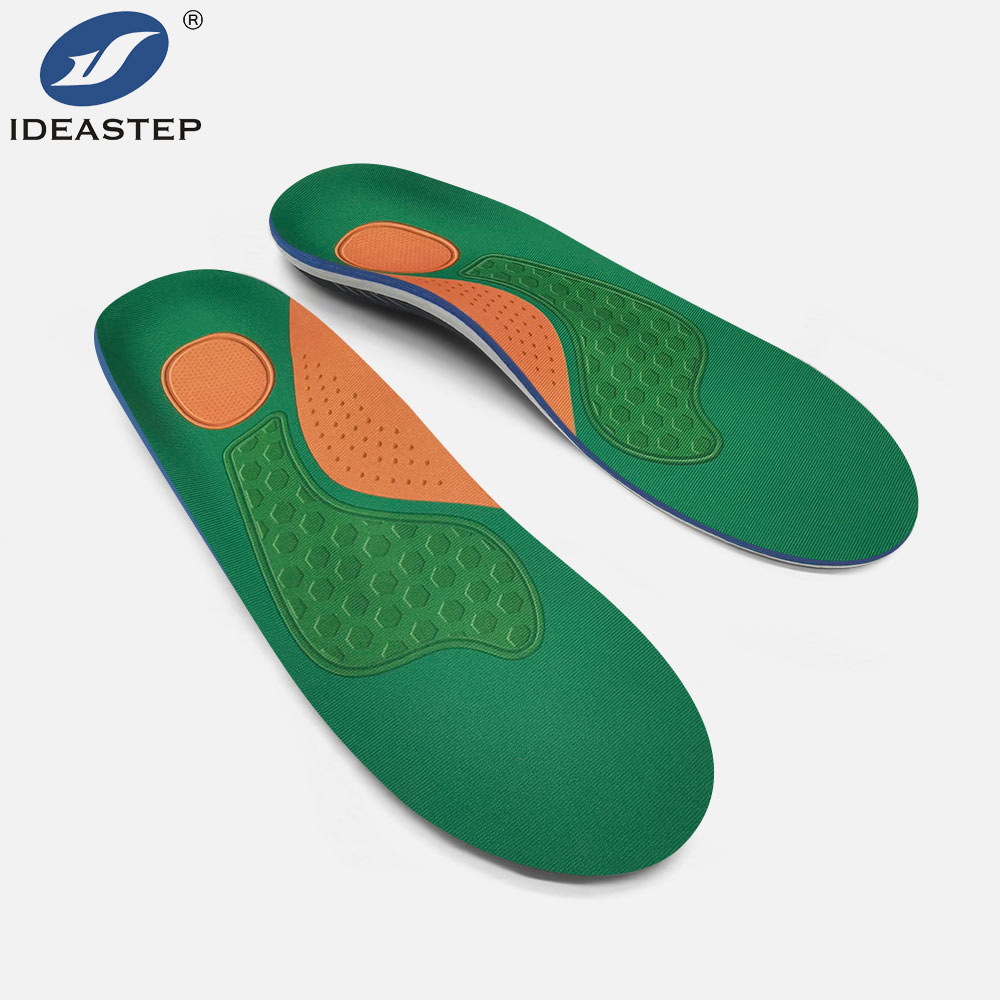
1. Manufacturing Experience and Production Capability
The first factor to evaluate when buying orthotic insoles in bulk is the manufacturer’s experience and production capability.
Orthotic insoles are functional products that require knowledge of support structures, material performance, and different application requirements. An experienced orthotic insole manufacturer should understand how to develop products for various markets, including medical foot care, sports footwear, comfort shoes, and specialty footwear.
When evaluating a supplier, buyers should consider:
- Product development experience: Ability to design different insole structures based on support and cushioning requirements.
- Production capability: Ability to handle both trial orders and large-volume manufacturing.
- Manufacturing consistency: Ability to maintain stable product dimensions, material performance, and quality across repeated orders.
A manufacturer with strong technical experience can provide better support during product development and bulk production.
2. Material Selection and Product Structure
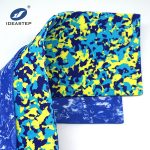
Material selection directly affects the comfort, support, and durability of orthotic insoles. For bulk purchasing, buyers should focus on whether the supplier can select and combine materials according to the target application.
Common materials used in orthotic insole manufacturing include:
- EVA: Provides lightweight cushioning and flexible hardness options for different product requirements.
- PU: Offers soft cushioning and long-lasting comfort for daily wear applications.
- TPU and thermoplastic materials: Improve structural support, stability, and shape retention.
In addition to the main support structure, functional layers such as breathable fabrics, microfiber, velvet covers, and anti-slip materials can improve the overall user experience.
A capable supplier should be able to recommend suitable material combinations based on product positioning, target users, and market requirements.
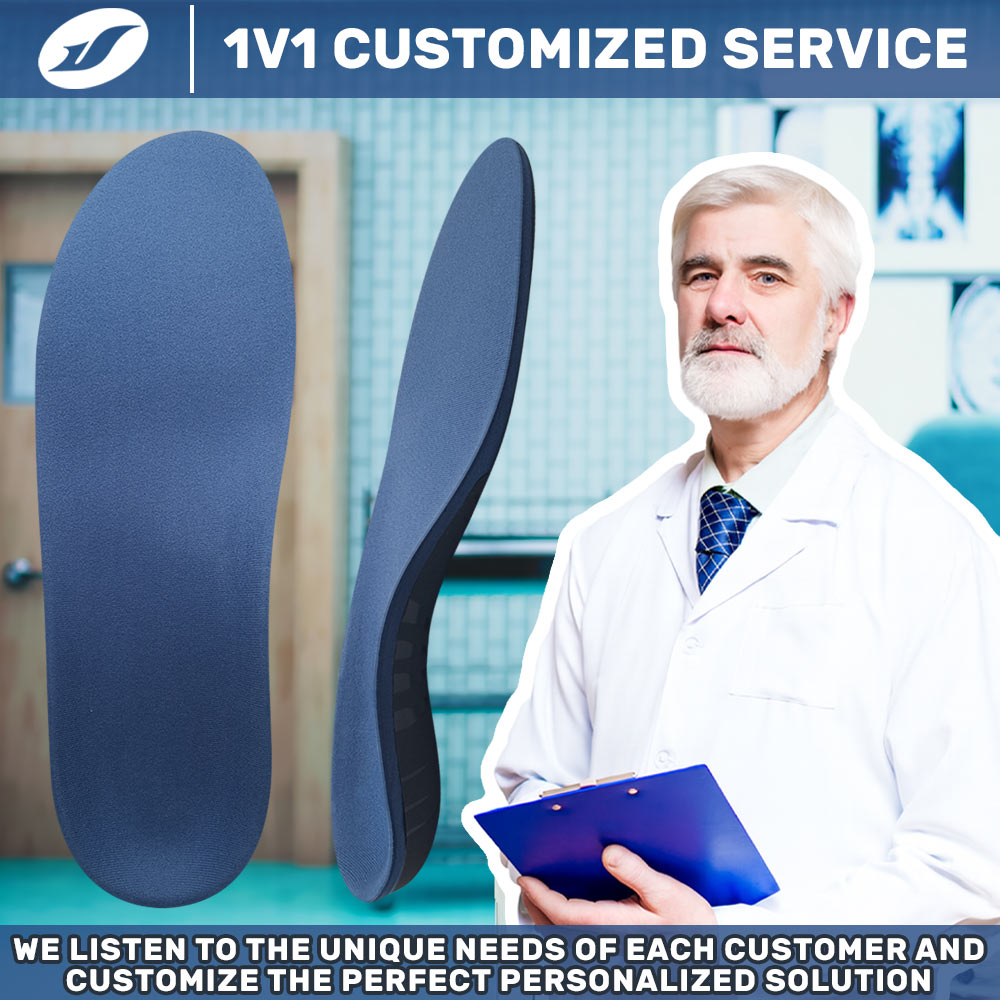
3. OEM and Customization Capability
Many companies purchasing orthotic insoles in bulk are developing their own brands or expanding existing product lines. In these cases, OEM capability becomes an important factor when selecting a supplier.
A professional OEM manufacturer should support customization in areas such as:
- Product structure: Adjusting arch support, cushioning layers, thickness, and material combinations.
- Branding: Logo printing, packaging design, and private label solutions.
- Product development: Prototype sampling, testing, and design adjustments before mass production.
Strong OEM capability allows brands to create differentiated products instead of competing only through pricing.
4. Quality Control and Product Consistency
For bulk orders, consistent quality is one of the most important considerations. Even small variations in materials or production processes can affect product performance and customer satisfaction.
A reliable manufacturing process should include:
- Material inspection: Checking incoming materials such as foam density, hardness, and surface materials.
- Production control: Monitoring key manufacturing parameters during processing.
- Final inspection: Ensuring finished products meet required specifications before shipment.
Experienced suppliers focus on maintaining consistency in product dimensions, support performance, and appearance throughout large-volume production.
5. MOQ, Lead Time, and Supply Flexibility
Before placing bulk orders, buyers should confirm the supplier’s MOQ requirements, production lead time, and ability to support future order growth.
Important factors include:
- Whether the MOQ matches your business stage and product plan.
- Whether production schedules meet your inventory requirements.
- Whether the manufacturer has enough capacity for repeat orders and increasing demand.
A supplier with flexible production capability can better support both new product launches and long-term supply needs.
6. Technical Support Matters in Long-Term OEM Cooperation
Successful orthotic product development often requires close communication between buyers and manufacturers. A supplier should not only produce products but also provide technical support throughout the development process.
This includes:
- Material recommendations based on product goals
- Suggestions for structure optimization
- Sample evaluation and adjustment
- Production improvement support
Working with a manufacturer that understands product development can help brands improve efficiency and reduce unnecessary revisions.
7. International Cooperation Experience
For overseas buyers, export experience is another important consideration when selecting an orthotic insole supplier.
An experienced supplier should understand international cooperation requirements, including:
- Export documentation
- Packaging standards
- Shipping coordination
- Communication with overseas customers
This helps ensure smoother cooperation from production planning to final delivery.
How to Evaluate an Orthotic Insole Supplier?
Before starting a bulk order, buyers can review the following areas:
| Evaluation Area | What Buyers Should Check |
|---|---|
| Manufacturing Experience | Experience in orthotic product development and production |
| Material Capability | Knowledge of EVA, PU, TPU, and functional materials |
| OEM Ability | Customization, private label, and product development support |
| Quality Control | Stable production process and product consistency |
| Supply Capacity | MOQ, lead time, and bulk order support |
FAQ About Buying Orthotic Insoles in Bulk
What is the MOQ for bulk orthotic insoles?
MOQ depends on product structure, materials, customization requirements, and production process. Suppliers usually provide different options for standard products and customized projects.
Can manufacturers provide OEM orthotic insoles for private labels?
Yes. OEM manufacturers can support product customization, including materials, structure, branding, packaging, and product development.
How do I evaluate an orthotic insole manufacturer?
Buyers should evaluate manufacturing experience, material capability, quality control, customization support, and production capacity before choosing a supplier.
Choose the Right Partner for Bulk Orthotic Insole Manufacturing
Buying orthotic insoles in bulk requires careful evaluation of product quality, manufacturing capability, and supplier support. The right partner should provide stable production, technical expertise, and flexible OEM options to support different market needs.
For brands, distributors, and healthcare companies developing orthotic products, working with an experienced manufacturer can create a stronger foundation for long-term growth.
Contact us to discuss your bulk orthotic insole requirements, OEM projects, or custom product development needs.
Recommended Reading: Custom Orthotic Insoles vs Prefabricated Insoles: Which Is Better?.