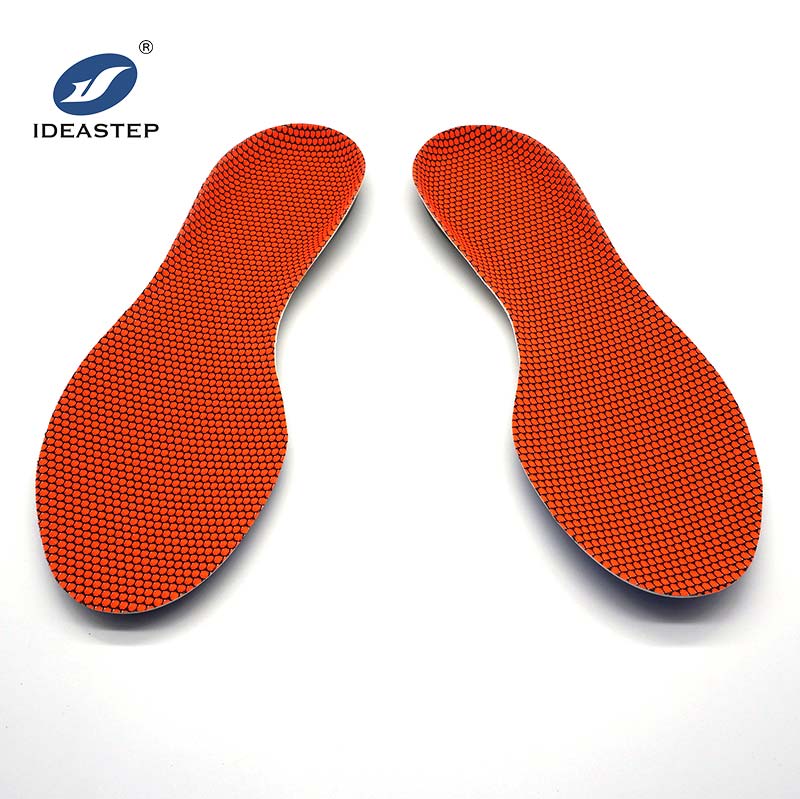
In the competitive global footwear and foot care market, selecting the right insole solution is a key factor in product performance, brand positioning, and customer satisfaction. For B2B buyers—ranging from medical clinics and sports brands to footwear manufacturers and distributors—the choice between custom orthotic insoles and prefabricated insoles directly impacts product differentiation, supply chain efficiency, and market success.

What Are Custom Orthotic Insoles?
Custom orthotic insoles are individually designed and manufactured based on a user’s specific foot measurements. By incorporating advanced foot scanning, gait analysis, and pressure mapping data, these insoles provide targeted support, improve alignment, and address specific foot conditions.
Key Features of Custom Orthotic Insoles
- Tailored to the individual foot shape and biomechanics
- Supports arches and corrects abnormal gait patterns
- Uses high-performance materials such as EVA, PU, TPU, or carbon-reinforced composites
- Multi-layer structures for cushioning, support, and durability
Business Advantages for B2B Clients
- High-value product line for healthcare institutions, clinics, and premium sports brands
- Custom branding, packaging, and logo options via OEM/ODM services
- Enhanced client loyalty and repeat business due to superior user experience
- Long-term differentiation in competitive markets
What Are Prefabricated Insoles?
Prefabricated insoles are mass-produced, standardized products available in general sizes or S/M/L categories. They are widely used for mainstream footwear markets where cost-efficiency and rapid availability are priorities.
Key Features of Prefabricated Insoles
- Standardized design suitable for most consumers
- Materials often include EVA foam, PU foam, memory foam, or gel layers
- Cost-effective and fast to supply
- Easy to store and manage inventory
Business Advantages for B2B Clients
- Lower unit costs enable high-volume sales
- Rapid delivery and reliable supply for retail chains and e-commerce
- Ideal for entry-level product lines or mass-market applications
- Simple integration into standard footwear products
Performance Comparison: Custom vs Prefabricated
Comfort and Fit
Custom insoles are precisely molded to individual foot shapes, providing superior comfort and reducing pressure points. Prefabricated insoles offer general comfort but may not address specific foot irregularities.
Support and Corrective Function
Custom orthotics excel in correcting gait issues, supporting flat feet, high arches, plantar fasciitis, or overpronation. Prefabricated insoles mainly provide cushioning and general comfort with limited corrective capabilities.
Durability and Materials
Custom insoles use high-quality multi-layer materials for long-term performance and structural integrity, including EVA, PU, TPU, and carbon-reinforced elements. Prefabricated insoles, often single or double-layer foam, may compress or lose support over time.
Target Applications
- Custom Insoles: Clinics, rehabilitation centers, professional sports brands, high-end footwear lines
- Prefabricated Insoles: Retail chains, e-commerce platforms, general sports and casual shoes
Making the Right Choice for Your Business
The optimal insole solution depends on your target market, product positioning, and business objectives:
- For medical, rehabilitation, and high-performance sports applications, custom orthotic insoles provide superior functionality, user satisfaction, and brand differentiation.
- For general consumer markets, retail distribution, or entry-level footwear, prefabricated insoles offer cost efficiency, fast supply, and scalability.
- Many B2B businesses adopt a hybrid approach—offering both custom and prefabricated options to capture premium and mass-market segments simultaneously.
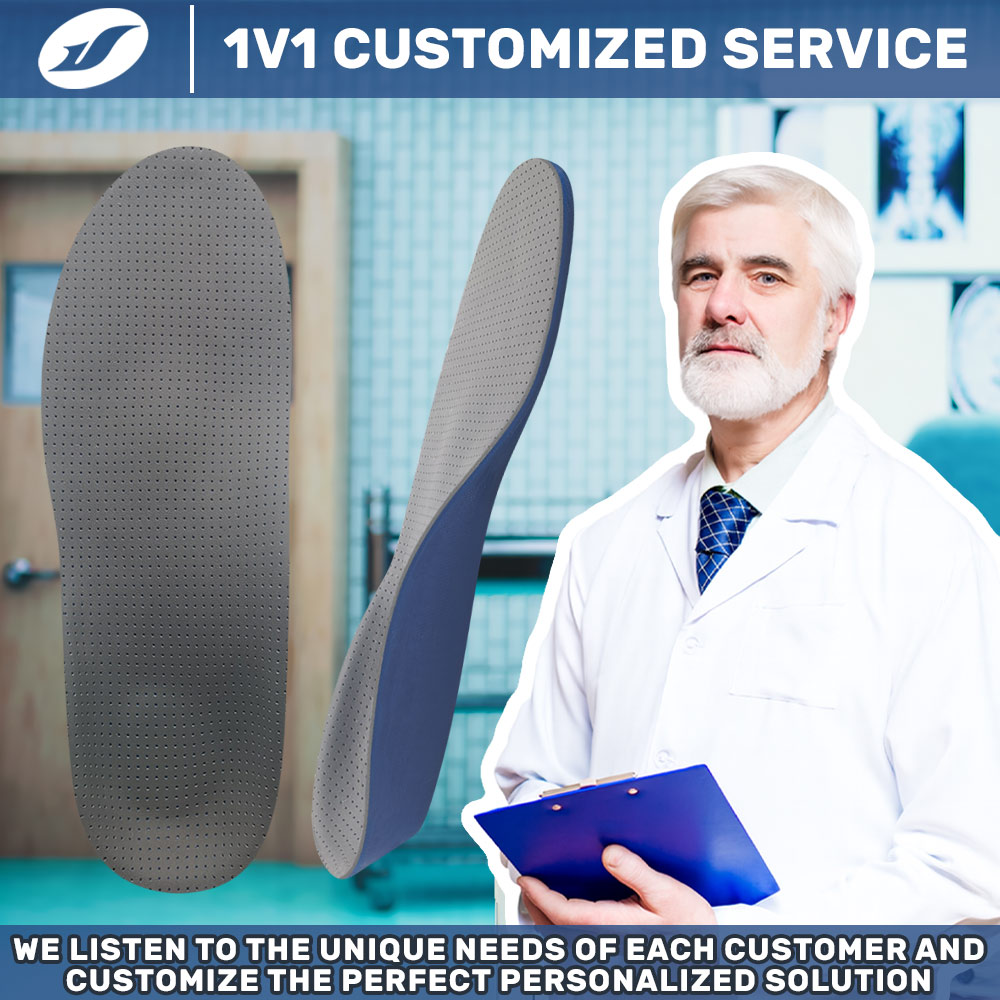
Partnering with a Reliable OEM/ODM Manufacturer
Choosing an experienced orthotic insole manufacturer ensures consistent product quality, scalable production, and customization flexibility. OEM/ODM partners can provide:
- Custom foot support and arch design
- Material selection and performance optimization
- Branding, packaging, and private label options
- Rapid prototyping and mass production services
A trusted manufacturing partner helps B2B clients bring high-quality insoles to market efficiently, reduce operational risks, and enhance long-term customer satisfaction.
Conclusion
Both custom orthotic insoles and prefabricated insoles have distinct advantages. The key is aligning your insole solution with your business model, target clients, and product strategy. Custom insoles provide superior comfort, corrective support, and brand value, while prefabricated insoles deliver cost efficiency, fast supply, and mass-market accessibility.
Partnering with an experienced OEM/ODM supplier enables your business to deliver high-quality insole solutions, increase market competitiveness, and build long-term client relationships.