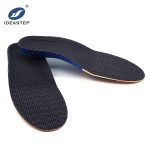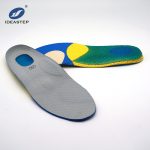
Developing Comfortable Footwear Products with Advanced Memory Foam Insole Manufacturing
For footwear brands, distributors, and foot care companies, improving in-shoe comfort is an important way to increase product value and market competitiveness. Memory insoles for shoes provide a practical solution by combining cushioning performance, pressure distribution, and flexible customization options.
Unlike standard insoles, memory foam-based designs can be developed with different material combinations, support structures, and surface treatments to meet specific footwear requirements.
For companies developing private label products or expanding their insole product range, choosing an experienced OEM insole manufacturer is essential. The right manufacturing partner can support material selection, product development, sampling, and large-scale production.
Material Structure of High-Performance Memory Insoles
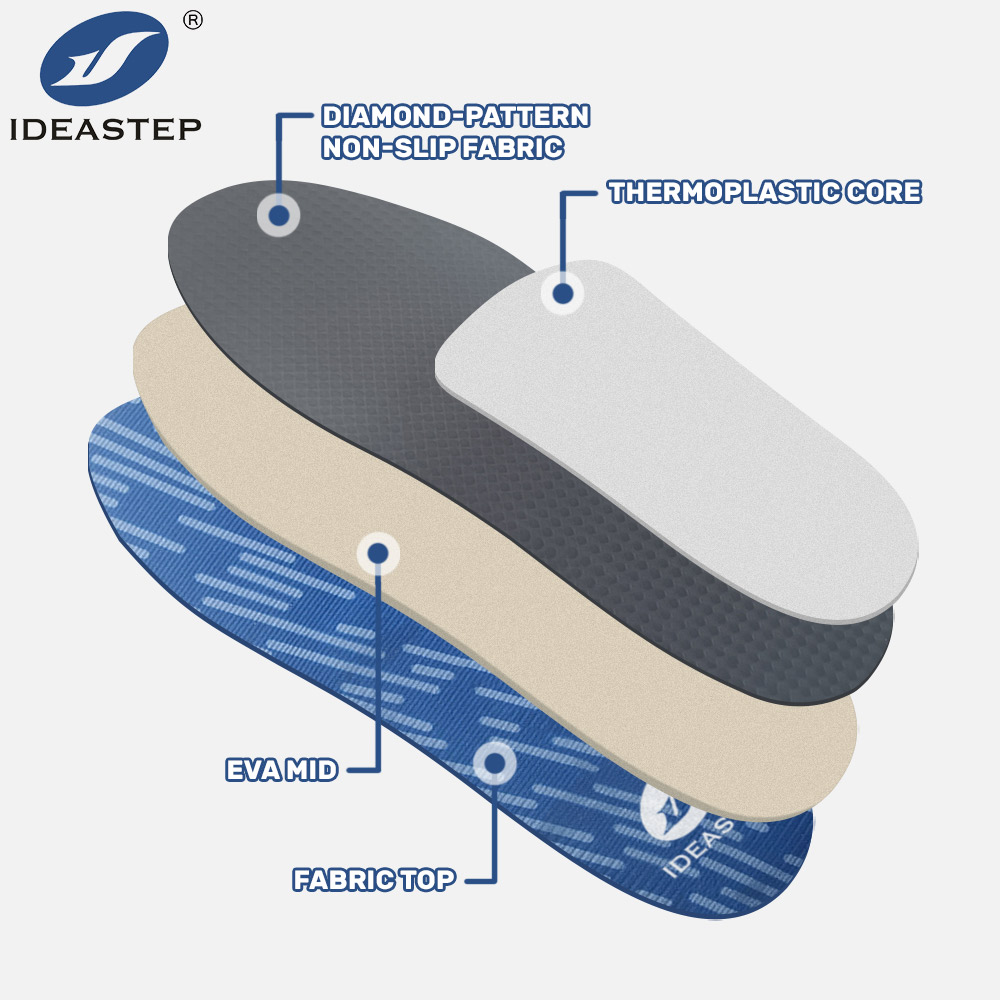
The performance of memory foam insoles depends on more than the foam itself. A well-designed insole usually combines multiple layers to balance cushioning, support, durability, and wearing comfort.
Memory Foam Cushioning Layer
The memory foam layer provides the main cushioning performance.
During OEM development, manufacturers can adjust:
- Foam density
- Thickness
- Softness level
- Recovery performance
Different specifications allow brands to create products for various applications, from everyday comfort footwear to specialized footwear products.
EVA Support Layer
EVA is commonly combined with memory foam to improve stability and overall structure.
Compared with a single-layer foam design, a multi-layer construction using EVA and memory foam can provide a better balance between:
- Cushioning
- Flexibility
- Support
- Durability
The EVA hardness and thickness can be customized according to the target market and footwear type.
Functional Top and Bottom Layers
Surface and bottom materials also influence the final product experience.
Top cover materials:
- Microfiber
- Velvet fabric
- Breathable textiles
Bottom layer materials:
- Anti-slip fabric
- Grip patterns
- Functional rubber materials
These layers help improve moisture management, in-shoe stability, and product appearance.
Why Brands Choose Memory Insoles for Shoes
For footwear companies, memory insoles offer more than comfort improvement. They can also help create differentiated products for different customer groups.
Improved Cushioning Performance
Memory foam helps absorb impact during walking and daily activities.
By adjusting foam structure and combining supportive layers, manufacturers can develop insoles suitable for:
- Casual footwear
- Walking shoes
- Lifestyle footwear
- Work shoes
Flexible Product Development
One advantage of memory foam insoles is the ability to customize product performance through material combinations.
Brands can develop different versions based on:
- Price positioning
- Target users
- Footwear categories
- Comfort requirements
This flexibility allows companies to build product lines for different markets.
OEM Customization Options for Memory Foam Insoles
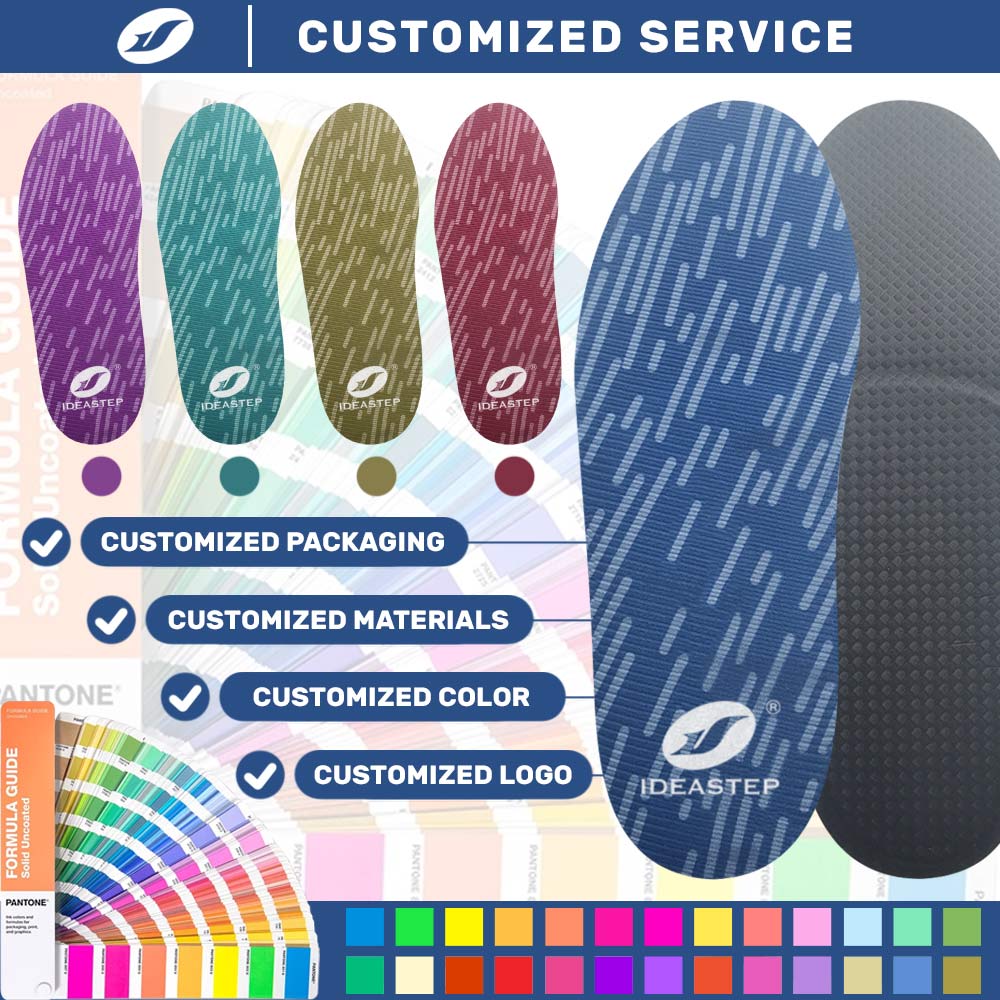
For brands and distributors, standard products may not always match their market positioning. Professional manufacturers provide customization options to support private label and product development projects.
Material Customization
Manufacturers can adjust:
- Memory foam density
- EVA hardness
- Cushioning layers
- Top cover materials
Different material combinations can be developed according to product goals.
Structural Design Customization
OEM development may include:
- Insole thickness adjustment
- Heel cushioning design
- Arch support structure
- Layer optimization
Through prototype testing and adjustments, manufacturers can improve product performance before mass production.
Private Label Support
For companies building their own brands, manufacturers can provide:
- Logo customization
- Packaging solutions
- Product appearance options
- Bulk production support
This allows businesses to create unique memory insole products without developing their own manufacturing facilities.
Manufacturing Process for Custom Memory Insoles
A professional manufacturing process helps ensure product consistency from initial design to final shipment.
1. Product Requirement Review
Manufacturers evaluate:
- Target footwear application
- Material requirements
- Performance expectations
- Order quantity
This step helps define the appropriate product structure.
2. Prototype Development
Sample production allows brands to evaluate:
- Comfort performance
- Material combination
- Product dimensions
- Overall design
Adjustments can be made before moving into bulk production.
3. Mass Production and Quality Control
During production, manufacturers focus on maintaining:
- Stable material performance
- Consistent product dimensions
- Reliable production standards
Quality control is especially important for large-volume orders where product consistency directly affects brand reputation.
Applications of Memory Insoles for Shoes
Memory foam insoles are widely used in different footwear categories, including:
Comfort Footwear
Suitable for brands focusing on daily walking comfort and long wearing time.
Sports and Lifestyle Footwear
Can be combined with supportive materials for active footwear applications.
Work and Occupational Shoes
Provide additional cushioning for users who spend extended periods standing or walking.
Private Label Foot Care Products
Offer distributors and retailers a customizable product option for their markets.
How to Choose a Memory Insole Manufacturer?
Selecting the right supplier is an important step for companies developing memory foam insole products.
Material Development Capability
A qualified manufacturer should understand different foam materials and how they work together in footwear applications.
OEM Development Experience
Look for suppliers that can support:
- Prototype sampling
- Product adjustment
- Material recommendations
- Production optimization
Production Capacity and Quality Control
For bulk orders, manufacturers should have the ability to maintain consistent quality across repeated production runs.
Important factors include:
- Stable supply capability
- Manufacturing experience
- Quality inspection process
Conclusion: Build Customized Memory Insole Products with the Right Partner
Memory insoles for shoes provide footwear brands with opportunities to improve comfort, enhance product value, and develop differentiated footwear solutions.
However, successful product development depends on more than choosing memory foam materials. It requires experience in material selection, structural design, OEM development, and production management.
For footwear brands, distributors, and foot care companies looking for customized insole solutions, working with an experienced OEM insole manufacturer can help transform product ideas into reliable commercial products.
Contact us to discuss your custom memory insole project, OEM requirements, or bulk production needs.
Recommended Reading: Memory Foam Insoles for Plantar Fasciitis: OEM Solutions for Footwear Brands.