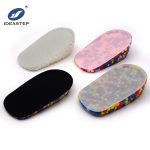
With growing demand for comfortable and supportive footwear solutions, brands, foot care suppliers, and distributors are continuously looking for better insole technologies. Memory foam insoles for plantar fasciitis have become a popular choice because they combine soft cushioning, pressure distribution, and adaptable comfort for different footwear applications.
Unlike standard flat inserts, memory foam insoles can provide a more personalized wearing experience by adapting to foot pressure and improving cushioning performance. For businesses developing footwear accessories or foot care products, memory foam technology offers flexible options for product differentiation, customization, and OEM development.
What Are Memory Foam Insoles?
Memory foam insoles are shoe inserts made with viscoelastic foam materials that respond to pressure and gradually adjust to the shape of the foot. When users stand or walk, the material compresses under pressure and provides a softer contact surface.
In professional insole manufacturing, memory foam is rarely used alone. It is often combined with supportive materials such as EVA foam, fabric layers, or structural components to create a balanced insole design.
Different material specifications, including foam density, thickness, and hardness, allow manufacturers to customize performance for different applications, such as casual footwear, work shoes, sports products, and foot care solutions.
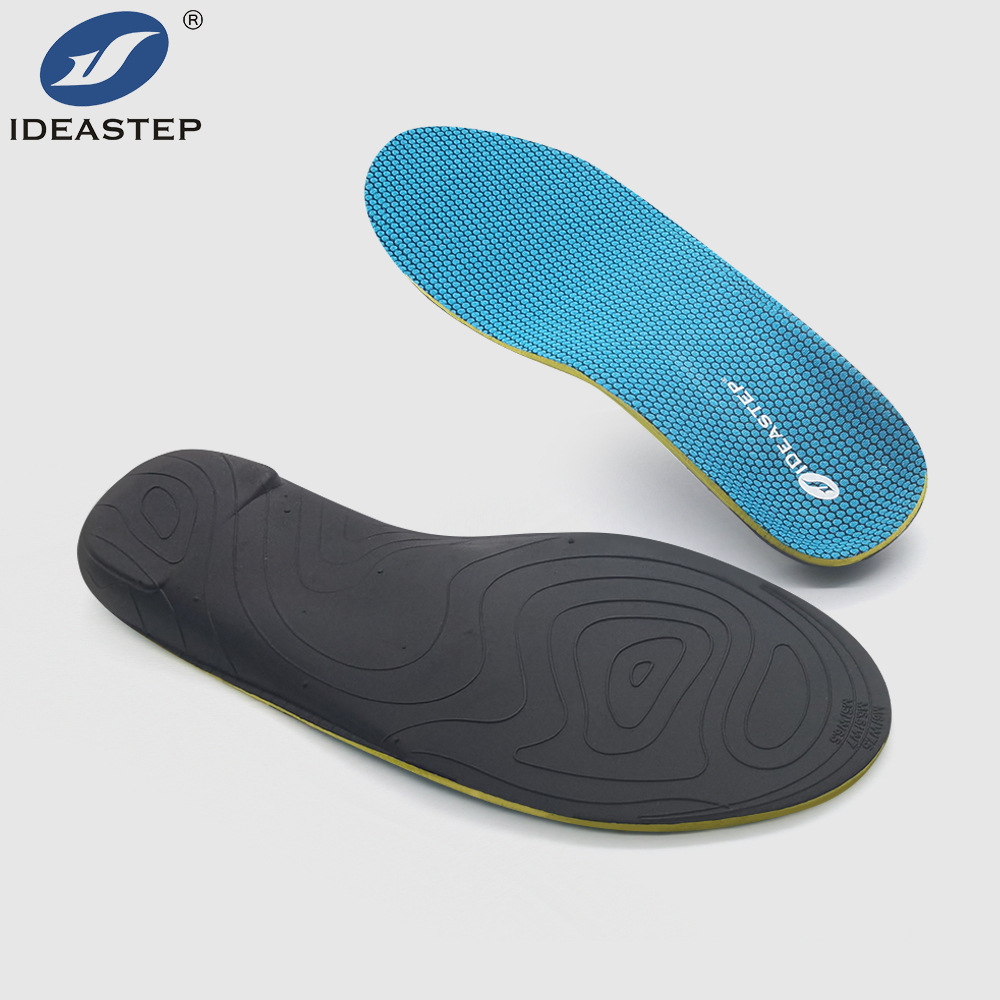
How Memory Foam Insoles Support Plantar Fasciitis Comfort
Plantar fasciitis is commonly associated with discomfort around the heel and bottom of the foot, especially during prolonged standing, walking, or high-impact activities. While insoles do not replace professional medical care, properly designed footwear inserts can help improve cushioning and support during daily use.
Heel Cushioning and Pressure Distribution
One important function of plantar fasciitis insoles is managing pressure under the foot. Memory foam provides a soft cushioning layer that helps absorb impact and reduce concentrated pressure points.
A well-designed memory foam insole can include features such as:
- Enhanced heel cushioning
- Improved pressure distribution
- Softer foot contact
- Reduced feeling of impact during movement
This makes memory foam suitable for users who require additional comfort in everyday footwear.
Improved Daily Wearing Comfort
Many users choose memory foam shoe inserts because of their soft and adaptive characteristics. Compared with basic foam inserts, memory foam can provide better conformity to the foot shape and reduce discomfort caused by hard shoe surfaces.
For footwear brands, this material provides an effective way to enhance product comfort without significantly increasing shoe complexity.
Memory Foam vs EVA Foam in Insoles
Both memory foam and EVA foam are widely used in insole manufacturing, but they serve different functions. Combining these materials allows manufacturers to create products with better overall performance.
| Material | Main Function |
|---|---|
| Memory Foam | Provides soft cushioning, pressure adaptation, and improved foot comfort. |
| EVA Foam | Provides lightweight support, durability, and structural stability. |
A multi-layer construction using both materials can achieve a better balance between comfort and support. Memory foam improves the cushioning experience, while EVA foam helps maintain the insole shape and long-term performance.
Key Applications of Memory Foam Insoles
Daily Comfort Footwear
Memory foam insoles are commonly used in sneakers, casual shoes, and lifestyle footwear. They help brands create products focused on improved comfort and everyday wearability.
Work and Safety Footwear
Workers who stand for extended periods often require additional cushioning inside their footwear. Memory foam insoles can be developed for work boots and safety shoes to improve comfort during long working hours.
Foot Care and Healthcare Products
Foot care brands, distributors, and healthcare suppliers can integrate memory foam technology into their product portfolios to provide supportive footwear accessories for different customer groups.
Sports Footwear
Sports and fitness brands can use memory foam-based insoles to improve cushioning performance in training shoes, walking shoes, and recreational footwear.
OEM Memory Foam Insoles Solutions for Brands
For footwear brands and distributors, customized insole development provides opportunities to create unique products for specific markets. Working with an experienced orthotic insoles manufacturer allows companies to develop products based on their target customers and application requirements.
Material Customization
Manufacturers can adjust material combinations according to product goals, including:
- Memory foam density selection
- EVA foam hardness adjustment
- Different top cover materials
- Multi-layer insole constructions
Structural Customization
OEM projects can include adjustments to:
- Heel cushioning design
- Arch support structure
- Insole thickness
- Overall product shape
These options help brands develop customized memory foam insoles for different footwear categories and customer needs.
OEM Development Process
A professional manufacturer can support the complete product development process, including:
- Requirement analysis
- Material recommendation
- Prototype development
- Sample testing
- Bulk production
This approach helps businesses move efficiently from product concepts to market-ready solutions.
How to Choose a Memory Foam Insole Manufacturer?
Selecting the right supplier is important for ensuring product quality and long-term business cooperation. B2B buyers should consider several key factors:
Material Expertise
A reliable supplier should have experience with different insole materials, including memory foam, EVA foam, PU foam, and fabric top covers. Proper material selection directly affects comfort, durability, and product performance.
Customization Capability
Manufacturers with strong OEM and ODM experience can provide flexible solutions, from initial design adjustments to final production.
Production Reliability
Stable manufacturing processes, quality control systems, and experience with international orders are essential for maintaining consistent product standards.
Conclusion
Memory foam insoles for plantar fasciitis provide a practical solution for improving cushioning, pressure distribution, and overall footwear comfort. By combining memory foam with supportive materials such as EVA foam, manufacturers can create balanced insole solutions for various applications.
For footwear brands, foot care suppliers, and distributors, customized memory foam insoles offer valuable opportunities for product innovation and market differentiation. Partnering with an experienced orthotic insoles manufacturer can help businesses develop reliable OEM products from design and sampling to large-scale production.
Related Reading:
Heel Cushion Inserts for Plantar Fasciitis
Best Insoles for Flat Feet and Plantar Fasciitis