When manufacturing high-quality orthopaedic footwear, most shoemakers focus heavily on support structure, material rigidity, and fitting precision. However, one critical detail that easily gets overlooked is surface fabric performance. For UK and European orthopaedic footwear manufacturers, moisture-wicking layers are not just a comfort upgrade — they are a core functional component that determines the service life, wearing experience, and market reputation of finished orthotic insoles.
Orthopaedic shoes are designed for long-hour daily wear, whether for rehabilitation, work support, or daily foot correction. Without professional moisture-wicking layers, insoles easily absorb sweat, breed bacteria, deform prematurely, and lose orthotic performance. This guide explains why moisture-wicking fabric layers are essential for durable, high-quality orthotic insoles and why they are a must for premium orthopaedic footwear production.
What Are Moisture-Wicking Layers on Orthotic Insoles?
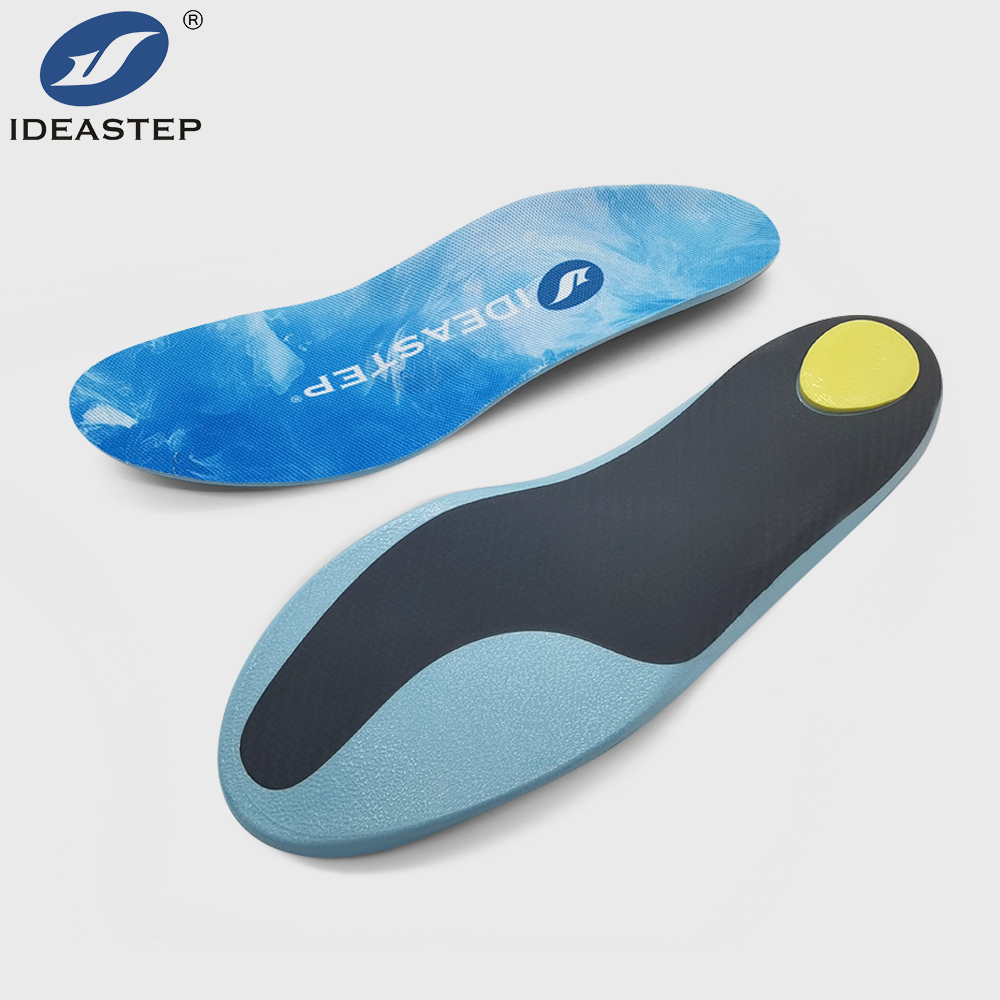
Moisture-wicking layers are functional textile fabrics laminated on the surface of composite orthotic insoles. Different from ordinary cotton or plain sponge layers that trap sweat, these specialised fabrics feature a quick-dry, breathable structure that actively pulls sweat away from the foot surface and accelerates air evaporation.
1. Sweat Accumulation Causes Early Insole Deformation
2. Odour & Bacterial Growth Affect User Health
Ordinary cotton and low-density foam layers easily absorb and lock foot sweat. Long-term moisture immersion softens the adhesive layer of composite insoles, leading to delamination, bulging, and collapse of the supportive structure. For medical orthopaedic shoes that require stable long-term correction, early insole deformation directly reduces product quality and triggers after-sales problems.
Closed, humid shoe environments are the main breeding ground for bacteria and fungi. Non-breathable insoles retain sweat for hours, causing persistent foot odour, athlete’s foot, and skin irritation. For end users who rely on orthopaedic shoes for daily rehabilitation and long-term wear, poor hygiene performance greatly reduces product satisfaction.
3. Slippery Surface Reduces Walking Stability
After absorbing sweat, plain insole surfaces become smooth and slippery. Feet tend to slide forward or shift sideways during walking, destroying the stable foot posture that orthotic insoles are supposed to maintain. This not only weakens the corrective effect but also increases the risk of sprains and unstable gait.
Key Benefits of Moisture-Wicking Layers for Orthotic Insoles
1. Extend Insole Service Life Effectively
Moisture-wicking layers keep the insole’s internal composite structure dry at all times. By quickly draining surface sweat, they avoid moisture erosion on the base board and adhesive layers, preventing delamination, mildew, and permanent deformation. For footwear manufacturers, this means more durable finished products, lower return rates, and better word-of-mouth in the orthopaedic market.
2. Maintain Dry, Fresh All-Day Wearing Experience
The breathable fibre structure of professional moisture-wicking fabrics accelerates air circulation inside the shoes. Even during long-hour standing, walking, or high-temperature seasons, the foot surface stays dry and non-sticky. This solves the biggest pain point of traditional orthopaedic shoes: stuffiness and dampness after prolonged wear.
3. Improve Gait Stability & Orthotic Effect
High-quality moisture-wicking layers come with a subtle anti-slip texture. While ensuring breathability, they effectively fix the foot position, avoiding sliding and shifting during movement. Stable foot placement allows the arch support, heel cup, and metatarsal support of orthotic insoles to function normally, ensuring consistent corrective effects for flat feet, overpronation, and foot imbalance.
4. Enhance Product Competitiveness for B2B Markets
In the competitive European and UK orthopaedic footwear market, basic supportive insoles are already standardised. Adding qualified moisture-wicking functional layers is an intuitive product upgrade that can differentiate your finished shoes from ordinary mass-produced styles. It is also a key selling point for medical-grade, rehabilitation, and high-end custom orthopaedic footwear lines.
Best Application Scenarios for Moisture-Wicking Orthotic Insoles
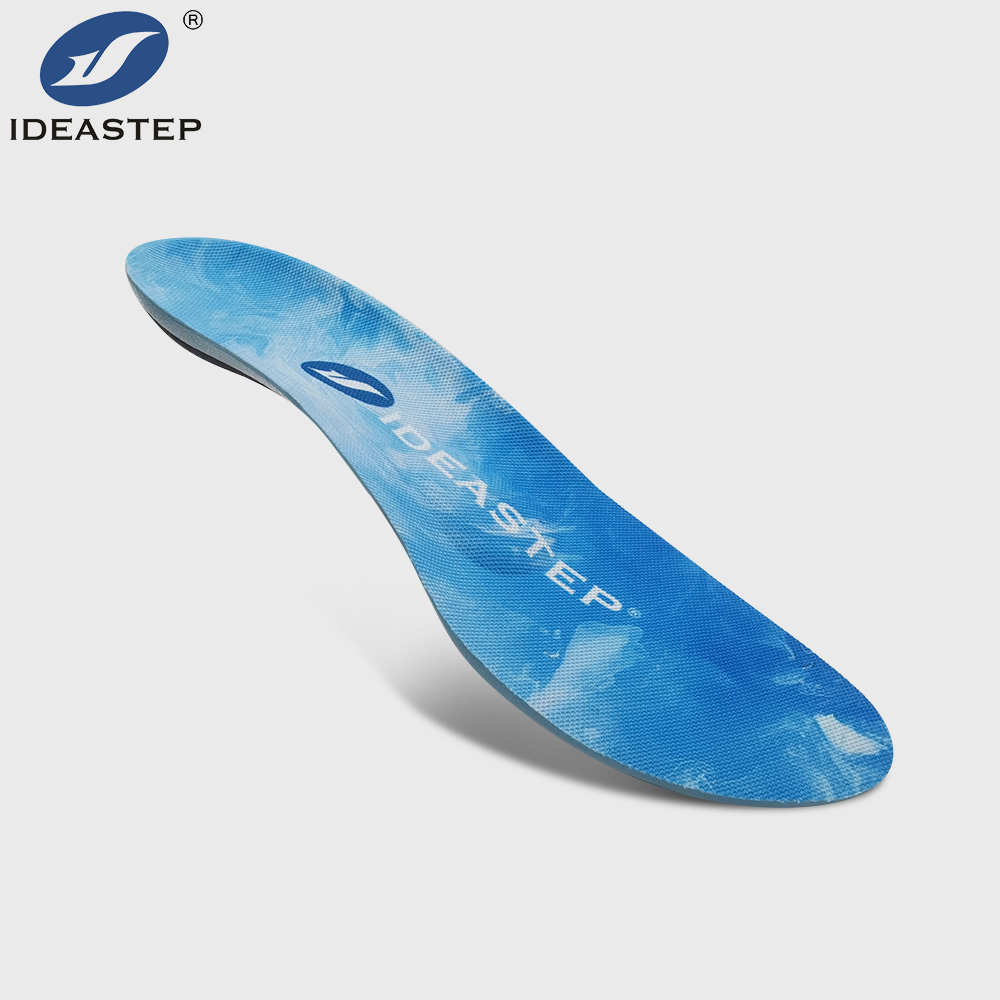
Moisture-wicking orthotic insoles are suitable for almost all long-wear orthopaedic footwear scenarios, especially for high-demand product lines:
- Daily medical orthopaedic shoes for all-day wear
- Rehabilitation footwear for post-surgical long-term recovery
- Supportive work shoes for long-standing workers
- Summer breathable orthotic comfort shoes
- Custom bespoke orthopaedic footwear for high-standard clients
Professional Sourcing Tips for Functional Orthotic Insoles
When sourcing wholesale orthotic insoles, many manufacturers only focus on thickness and support hardness while ignoring surface fabric quality. In fact, qualified moisture-wicking layers need to meet two core standards: fast sweat evaporation and strong wear resistance.
Premium functional insoles adopt tightly woven quick-dry fabrics, which do not ball or peel after long-term friction. Meanwhile, the lamination process ensures the surface layer will not separate from the base board after repeated wearing and cleaning. Choosing such stable bulk insoles can greatly improve the overall quality grade of your orthopaedic footwear.
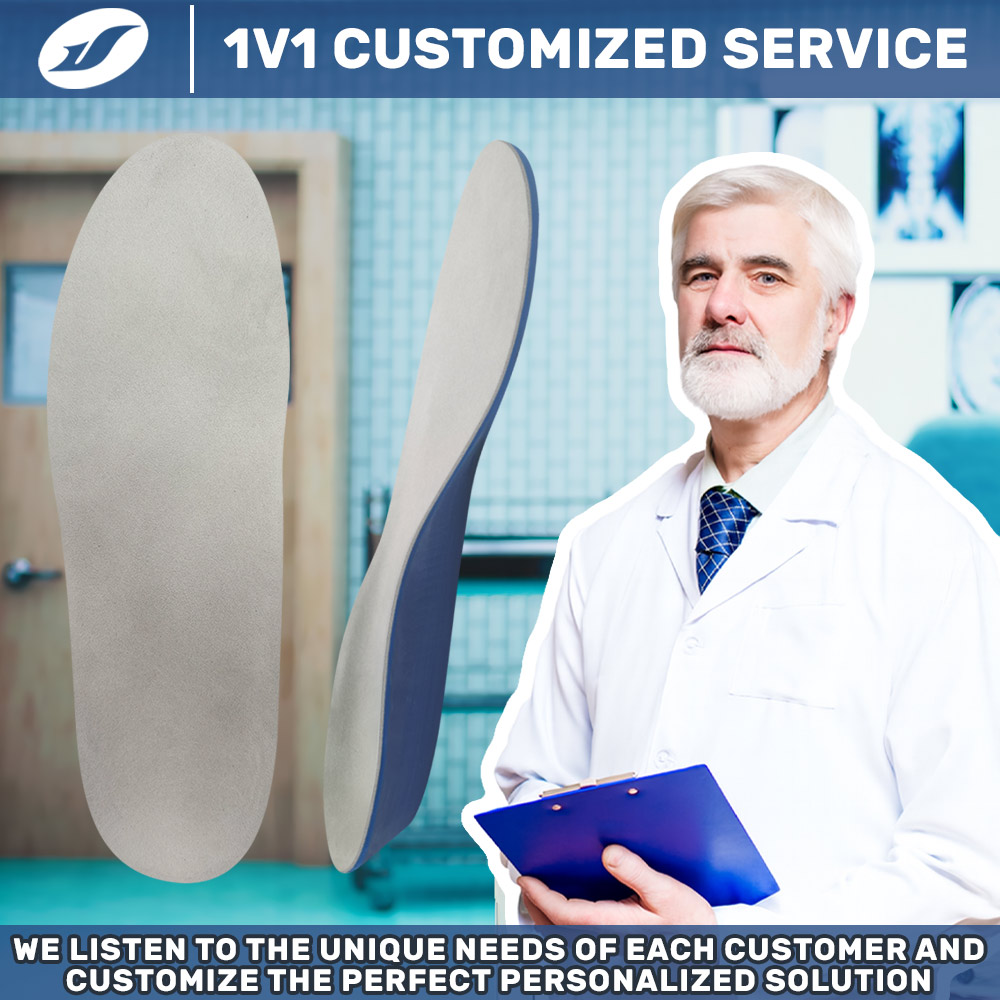
For custom production needs, reliable suppliers can match different moisture-wicking fabrics and layer thicknesses according to your product positioning, supporting both mass commodity lines and high-end custom orthotic projects.
Final Thoughts
Support stability and comfort are the basic requirements of orthotic insoles, while moisture-wicking performance is the key to improving product durability and user experience. Orthopaedic insoles equipped with high-quality moisture-wicking layers avoid dampness, odour, deformation and slipping problems, making finished footwear more practical, hygienic and long-lasting.
For modern orthopaedic footwear manufacturers, upgrading to functional moisture-wicking orthotic insoles is a low-cost, high-return optimisation to enhance product competitiveness and market reputation.
If you are looking for wholesale moisture-wicking orthotic insoles with stable lamination, durable surface layers and low MOQ bulk supply, our professional OEM and ODM footwear component services can fully support your orthopaedic footwear production.
Related Articles:
Best Orthotic Insoles for High Arches
Severe Flat Feet Orthotic Insoles: A Higher-Support Option for Orthotic Product Lines