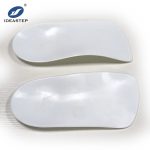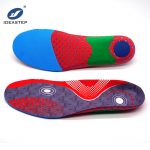
High-arch insoles require more than simply increasing the arch height. The support needs to create appropriate contact through the midfoot while leaving enough room for cushioning and natural movement.
For footwear brands, orthotic distributors, and private-label buyers, the key considerations are arch geometry, cushioning, material properties, and shoe fit.
This guide covers the main design and material factors involved in developing arch supports for high arches.
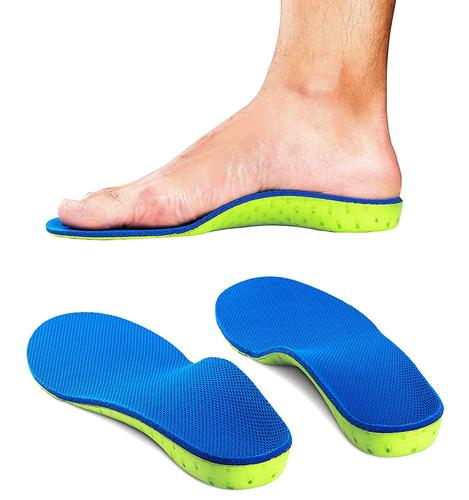
What Should High Arch Supports Do?
A high arch can reduce contact between the midfoot and a flat shoe insole, which may change pressure distribution across the heel, arch, and forefoot.
The goal is not to make the arch as high as possible. A better approach is to create controlled support and stable positioning without introducing unnecessary pressure points.
Key factors include:
- Arch height and contour
- Heel support
- Forefoot cushioning
- Material firmness
- Overall thickness
- Available shoe space
Key Design Considerations
Arch Profile
The arch profile is the foundation of a high-arch support insole.
Manufacturers can adjust:
- Arch height
- Arch length
- Support width
- Surface contour
- Firmness
A gradual transition can provide more consistent contact through the midfoot. The profile should also match the shape and internal dimensions of the target footwear.
Heel Cup and Rearfoot Support
The heel section provides the foundation for the insole.
A shaped heel cup can add rearfoot structure and improve fit inside the shoe. Its depth and width should be developed together with the shoe last and available internal volume.
Low-profile running shoes may require a shallower construction, while boots generally allow more space for a deeper support profile.
Forefoot Cushioning
High-arch products should balance arch support with cushioning under the heel and forefoot.
Common options include:
- Resilient foam
- Targeted soft foam
- PORON
- Gel inserts
Cushioning should complement the support structure rather than make the entire insole excessively soft.
Flexibility
A practical design can combine a more structured heel and midfoot with a flexible forefoot.
This construction works well for many walking and sports footwear applications, although the exact balance should be based on the shoe and intended use.
Choosing Materials for High Arch Supports
Material selection affects weight, cushioning, durability, firmness, and cost.
| Material | Typical Role |
|---|---|
| EVA Foam | Lightweight cushioning and base structure |
| PU Foam | Soft cushioning and comfort |
| TPU | Structural reinforcement |
| Thermoplastic Sheet | Semi-rigid arch support |
| PORON | Targeted cushioning |
| Gel | Localized cushioning |
| Microfiber | Durable top surface |
| Breathable Fabric | Surface comfort and airflow |
Commercial insoles commonly combine several materials. For example, EVA foam can provide the cushioning base, while TPU or thermoplastic components reinforce the arch or heel.
Material density, hardness, and thickness should be selected according to the application and target cost.
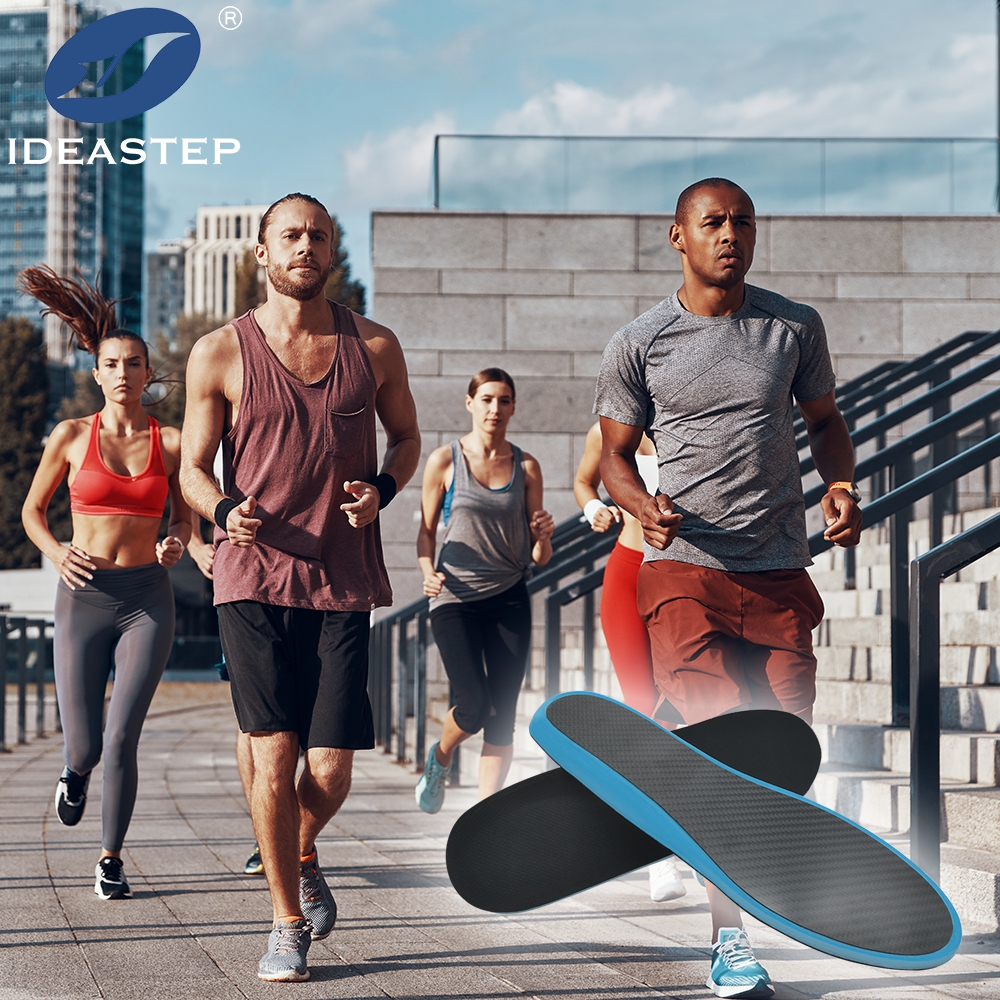
High Arch Supports for Different Footwear
Running Shoes
Running insoles need to balance support, cushioning, flexibility, and weight. Lightweight foam with a thin reinforcement layer can work well where shoe space is limited.
Walking and Casual Shoes
Everyday footwear generally benefits from moderate support combined with resilient cushioning rather than a highly rigid structure.
Work and Safety Shoes
Work footwear places greater demands on durability and compression resistance. Higher-density foam and reinforced support structures may be appropriate.
Boots
Boots usually provide more internal volume, allowing greater flexibility in arch and heel design. Overall thickness should still be checked against the footwear construction.
Customization for Footwear Brands
For OEM and private-label projects, high arch supports can be adapted to specific footwear and market requirements.
Structural Customization
Common options include:
- Arch height and contour
- Heel cup depth
- Support firmness
- Cushioning zones
- Overall thickness
- Forefoot flexibility
Material Combinations
A sports product may prioritize lightweight EVA and flexible reinforcement, while a work insole may require denser foam and a more durable support structure.
The aim is to balance performance, manufacturing requirements, and target cost.
Private Label Options
After the functional structure is confirmed, brands can customize:
- Top cover materials
- Logo application
- Colors
- Size ranges
- Packaging
From Prototype to Production
A clear development process helps reduce problems when moving from samples to larger orders.
1. Define the Product
Confirm the footwear type, internal space, support requirements, cushioning level, size range, and target price.
2. Develop the Structure
Build the arch profile, heel cup, cushioning layers, and reinforcement components around those requirements.
3. Test the Sample
Evaluate:
- Arch contact
- Heel fit
- Forefoot cushioning
- Overall thickness
- Flexibility
- Shoe compatibility
If the support feels too aggressive or the shoe becomes too tight, adjust the structure or material combination before production.
4. Finalize Production Specifications
After sample approval, confirm material properties, dimensions, bonding, finishing, and quality requirements.
For larger orders, consistent arch geometry and material performance are especially important.
What to Look for in a High Arch Insole Manufacturer
For B2B buyers, production capacity is only one consideration. Development experience is equally important when projects involve custom structures or multiple material layers.
Look for capabilities such as:
- High-arch insole development
- EVA and foam processing
- TPU or thermoplastic reinforcement
- Prototype production
- Footwear compatibility testing
- OEM and private-label manufacturing
- Quality control
A manufacturer that supports both sampling and volume production can make development more efficient and help maintain consistency between approved samples and production orders.
Conclusion
Developing arch supports for high arches is not simply about increasing arch height. Arch geometry, heel structure, cushioning, flexibility, material selection, and shoe volume all affect the final product.
For footwear brands and distributors, starting with the target footwear and application provides a practical foundation for development. The structure and materials can then be adjusted to achieve the right balance of support, comfort, durability, and production efficiency.
Related Reading: Heat Moldable Arch Supports That Adapt to Your Feet and Improve Daily Comfort.