Developing custom orthotic insoles requires more than selecting materials and adjusting shapes.
A successful project involves structural design, material engineering, prototype testing, and consistent manufacturing.
For brands, distributors, and healthcare product suppliers, working with an experienced orthotic insole manufacturer helps reduce development risks and ensures stable product quality.
This case study explains how a custom orthotic insole project moved from the initial concept to final production, covering the key stages of design, prototyping, testing, and bulk manufacturing.
Customer Requirements and Project Background
The customer was an overseas foot care brand looking to develop a custom orthotic insole for daily use and retail distribution.
The project requirements included:
- A functional design suitable for different foot types
- Balanced support and cushioning performance
- Reliable production quality for long-term supply
- OEM customization options for brand development
The customer needed a manufacturing partner capable of handling both product development and large-scale production.
Orthotic Insole Design and Development
A well-designed orthotic insole starts with understanding the intended application, target users, and performance requirements.
Foot Structure Analysis and Design Planning
During the development stage, the engineering team evaluated key design factors, including:
- Arch support structure
- Heel cup design
- Insole thickness
- Cushioning zones
- Material hardness distribution
Different foot conditions require different structural solutions. For example, TPU reinforcement can be added to improve stability, while softer cushioning layers can enhance comfort for daily wear applications.
The final structure was developed based on the customer’s market positioning and product requirements.
Material Selection for Performance Requirements
Material selection plays an important role in determining the performance and durability of custom orthotic insoles.
EVA Foam
EVA is widely used as the main layer in orthotic insoles due to its:
- Lightweight properties
- Good cushioning performance
- Flexible hardness options
- Easy customization
TPU Support Components
TPU structures are commonly used in areas requiring additional support.
- Improved structural stability
- Better shape retention
- Long-term durability
PORON, Latex and Memory Foam
Comfort-focused materials can be added to improve:
- Cushioning experience
- Foot contact feel
- Overall wearing comfort
By combining different materials, manufacturers can develop insoles that meet specific market requirements.
Prototype Development and Testing
Before moving into mass production, prototype development allows both the manufacturer and customer to verify the design and make necessary improvements.
3D Modeling and Prototype Production
After confirming the product concept, the development process includes:
- CAD structure design
- Mold development
- Prototype production
- Sample evaluation
Digital design tools help improve accuracy during development and allow faster adjustments based on customer feedback.
Sample Evaluation and Optimization
Samples are evaluated based on:
- Size and shoe compatibility
- Support structure
- Material performance
- Overall comfort
Based on testing results, adjustments may be made to:
- Material hardness
- Support position
- Top cover selection
- Product thickness
After approval, the finalized design moves into production preparation.
From Prototype to Mass Production
For B2B buyers, production capability is just as important as product design. A reliable supplier must ensure that approved samples can be reproduced consistently at scale.
Production Preparation
Before mass production, the manufacturer confirms:
- Raw material specifications
- Production standards
- Quality inspection requirements
Standardized production procedures help maintain consistency between samples and bulk orders.
Mass Production and Quality Control
During production, quality checks are performed throughout the manufacturing process.
Key inspection steps include:
- Incoming material inspection
- Production process monitoring
- Dimension checking
- Appearance inspection
- Final packaging review
These procedures help ensure stable quality for bulk orders and long-term supply programs.
OEM Customization and Product Delivery
After production approval, products can be customized according to customer requirements.
OEM/ODM support may include:
- Custom product structures
- Material combinations
- Private label branding
- Customized packaging
- Different size specifications
This allows brands and distributors to develop products that better match their target markets.
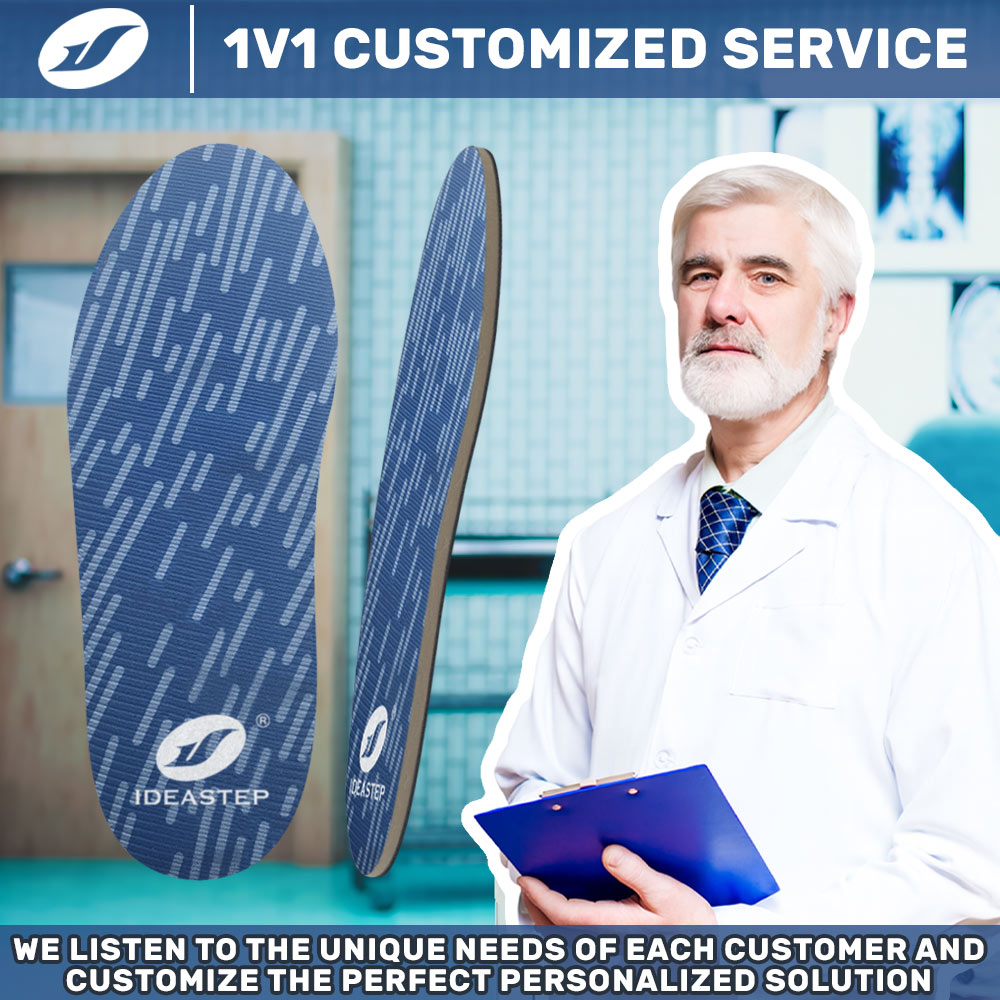
Why Work with a Professional Custom Orthotic Insoles Manufacturer
Choosing the right manufacturing partner directly affects product development efficiency and supply stability.
Efficient Product Development
Professional engineering support helps optimize designs and shorten the development cycle.
Consistent Manufacturing Quality
Standardized production processes ensure reliable quality across different production batches.
Flexible Customization Support
Material selection, structural adjustments, and branding options allow customers to create differentiated products.
Conclusion
A successful custom orthotic insole project requires a combination of design expertise, material knowledge, and manufacturing capability.
From initial product planning to prototype development and bulk production, an experienced custom orthotic insoles manufacturer can help brands and distributors build reliable products with consistent quality.
For businesses looking for OEM/ODM orthotic insole solutions, partnering with a manufacturer with strong development and production capabilities can provide a more efficient path from concept to market.
Explore More: Custom Orthotic Insoles vs Prefabricated Insoles: Which Is Better?.