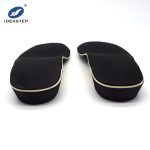
Gait correction insoles are professional orthotic inserts built to correct abnormal walking posture, balance plantar pressure, and ease foot discomfort linked to flat feet, high arches, overpronation and supination. Popular among foot clinics, rehab facilities, sportswear brands and cross‑border wholesalers, these functional products carry high market value yet come with huge quality gaps across manufacturers.
Many B2B buyers run into avoidable sourcing issues: inconsistent arch angles, unsuitable material hardness, weak corrective performance, high customer return rates and incomplete export documentation. Most procurement risks come from insufficient supplier vetting rather than price alone.
This practical guide outlines critical evaluation standards for reliable gait correction insole suppliers, supporting you to source clinic‑grade products and steer clear of common wholesale and OEM pitfalls.
Why Supplier Screening Matters for Gait Correction Insoles
Ordinary comfort insoles focus largely on cushioning and breathability. Gait correction insoles depend on precise biomechanical design. Even minor parameter deviations will undermine corrective effects and trigger end‑user complaints.
Working with unqualified suppliers exposes your business to three core risks: damaged brand credibility from ineffective products, rising after‑sales costs caused by unstable batch quality, and failed overseas shipments due to missing compliance certificates. For bulk purchasing of gait correction insoles, supplier competence should outweigh unit price.
6 Core Criteria to Evaluate Gait Correction Insole Suppliers
1. Professional Gait Mechanics R&D Capability
Trustworthy manufacturers base product development on real plantar force data instead of simple copied moulds. They can deliver differentiated options for flat feet, overpronation, high arches and other foot conditions. Avoid suppliers who merely rebrand generic comfort insoles and market them as corrective orthotics.
2. Scientific Material Hardness & Density Control
Correction performance relies heavily on balanced support and comfort. Materials including medical‑grade EVA, PU and composite orthotic foams must maintain stable hardness without being overly rigid or excessively soft. Qualified suppliers offer graded material options for clinical and commercial‑level gait correction insoles.
3. Complete Export Compliance & Test Documentation
For cross‑border B2B clients, compliance acts as the entry threshold. Qualified suppliers provide safety, environmental and antibacterial test reports satisfying EU and North American requirements. Complete certification guarantees smooth customs clearance, prevents platform takedowns and supports clinic and offline retail distribution.
4. Strict Batch‑to‑Batch Quality Consistency
Batch inconsistency represents the biggest pain point with low‑grade factories, showing up as varying arch height, uneven radian and unstable support performance across orders. Reliable orthotic insole manufacturers apply unified mould production plus random batch sampling inspection to keep every production run consistent.
5. Flexible OEM & ODM Customization Support
Brands and clinics need differentiated products to stand out. Competent suppliers support custom logo printing, adjustable hardness grades, target‑oriented thickness tweaks, personalised packaging and functional upgrades for various correction scenarios. Customisation empowers you to build unique market positioning.
6. Reasonable MOQ and Responsive B2B After‑sales Service
Stable long‑term partnerships require flexible order volumes, available trial samples and accessible technical support. Reputable suppliers welcome small trial orders before large‑scale production and offer professional assistance covering parameter adjustment and product matching for global buyers.
Key Technical Parameters for Bulk Sourcing
Assess these core indicators when comparing gait correction insoles for your bulk project:
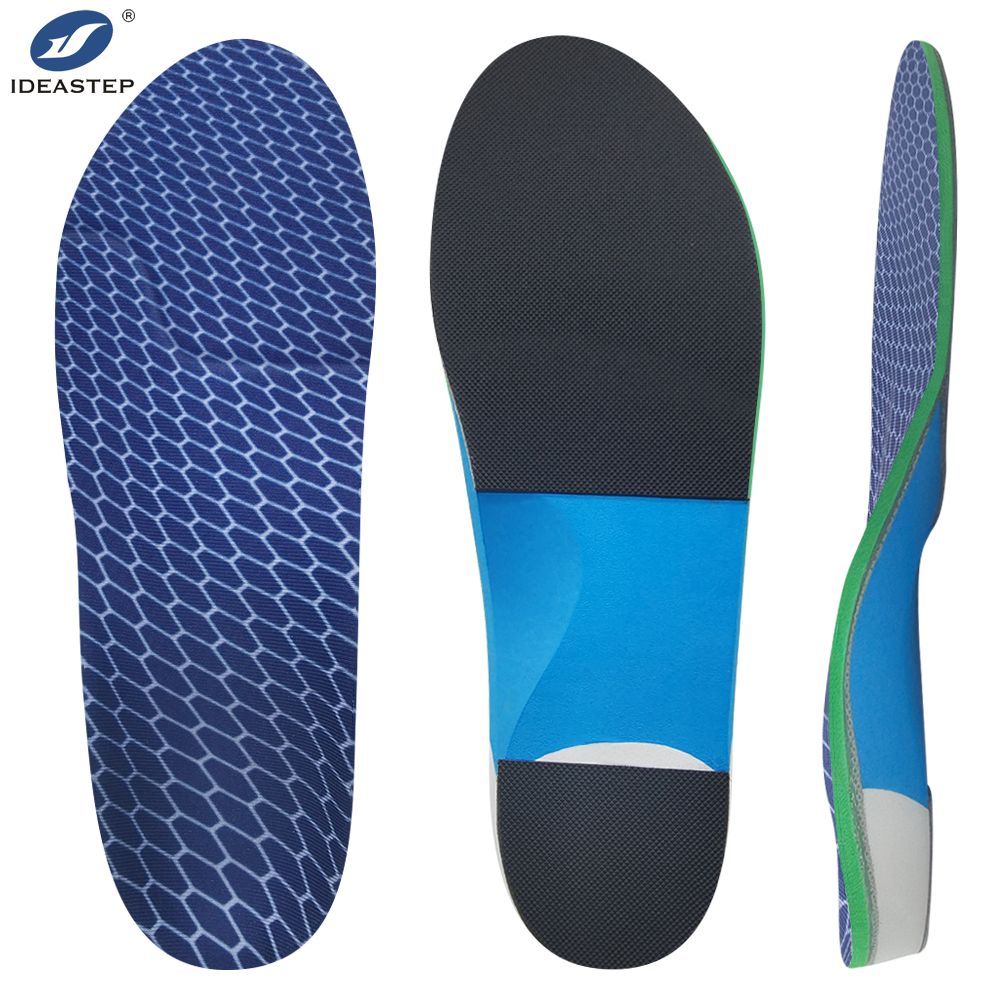
- Arch Support Height: Ergonomic dimension balancing correction effect and wearing comfort
- Heel Cup Depth: Secure heel positioning to limit abnormal foot rolling
- Material Hardness: Graded density matching commercial or clinical usage scenarios
- Surface Performance: Sweat‑wicking, anti‑slip and wear‑resistant surface treatment
- Overall Radian: Matches human foot biomechanics and avoids local pressure points
Common B2B Sourcing Mistakes to Avoid
Prioritising Low Price Over Functional Performance
Cheap imitation gait correction insoles skip precise biomechanical tuning. They deliver minimal correction and trigger high return rates that hurt your brand profit and reputation.
Confusing Comfort Insoles With Gait Correction Insoles
Soft, cushioned feeling does not equal corrective function. Always verify structural design rather than judging by softness alone during supplier evaluation.
Overlooking Batch Stability and Compliance Checks
Unstable batch output and missing certificates will block overseas sales channels. Confirm QC workflows and certification documents before confirming large orders.
Main B2B Application Scenarios
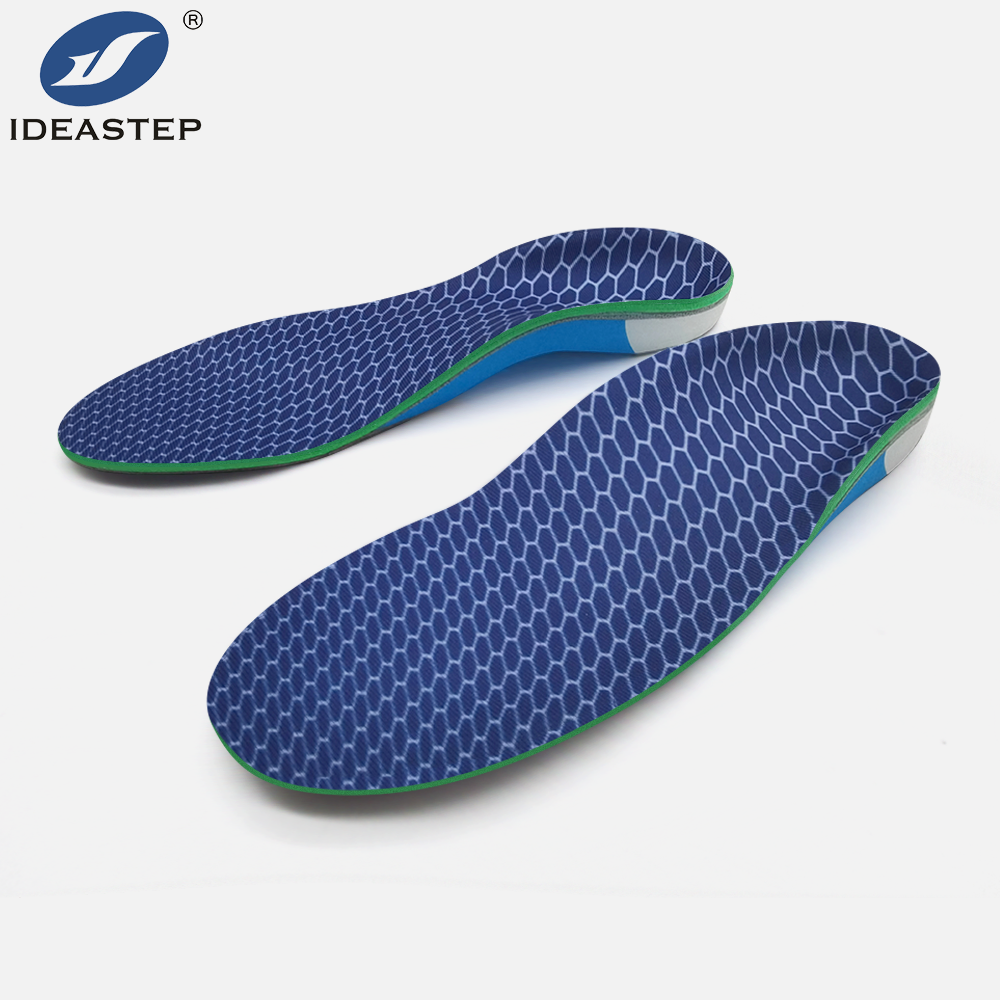
- Foot Care & Rehabilitation Clinics: Auxiliary gait correction and daily foot care for patients
- Sports Footwear Manufacturers: Improve running and walking posture while lowering sports‑related injury risks
- Cross‑border Wholesalers & Independent Store Operators: High‑margin functional orthotic products with strong market differentiation
- Workplace Labour Protection: Reduce foot fatigue for staff undertaking long‑hour standing work
FAQ
1. What sets gait correction insoles apart from ordinary shoe insoles?
Standard insoles mainly supply cushioning comfort. Gait correction insoles adopt purpose‑built biomechanical structures to redistribute plantar pressure, correct abnormal gait and ease foot posture‑related discomfort.
2. Are gait correction insoles suitable for large‑volume wholesale?
Yes. Rising global awareness of foot health pushes steady market demand. Gait correction insoles maintain solid sales performance and good repurchase potential for B2B wholesale channels.
3. Can I get branded custom gait correction insoles via OEM?
Professional orthotic manufacturers provide full OEM and ODM services, including logo customisation, functional modification, size optimisation and exclusive packaging to support brand differentiation.
4. Do these orthotic insoles support export to Europe and North America?
Our gait correction insoles adopt safe eco‑friendly raw materials with complete test documentation, meeting mainstream overseas market access standards.
Conclusion
Gait correction insoles belong to high‑value professional orthotic goods. Supplier capability directly decides product quality and your long‑term business outcome. When selecting manufacturers, evaluate R&D competence, material standards, compliance credentials, batch consistency and customisation capacity instead of focusing purely on pricing.
With rich experience developing and producing orthotic products, we supply standard wholesale gait correction insoles plus customised OEM / ODM solutions for global B2B partners. Contact our team to request samples and obtain your tailored bulk quotation.
Related Reading:
Gait Correction Insoles OEM ODM Custom Options For Bulk Foot Care Partners
Why Gait Analysis Is Changing the Effectiveness of Custom Orthotics