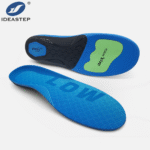
Carbon fiber insoles mainly add stiffness, structural reinforcement, and controlled bending to footwear. Unlike foam insoles, which mainly provide cushioning, carbon fiber acts as a rigid or semi-rigid structural layer. Its low weight and high stiffness make it suitable for performance footwear and specialized insole designs.
What Is a Carbon Fiber Insole?
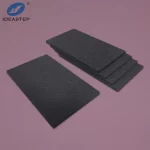
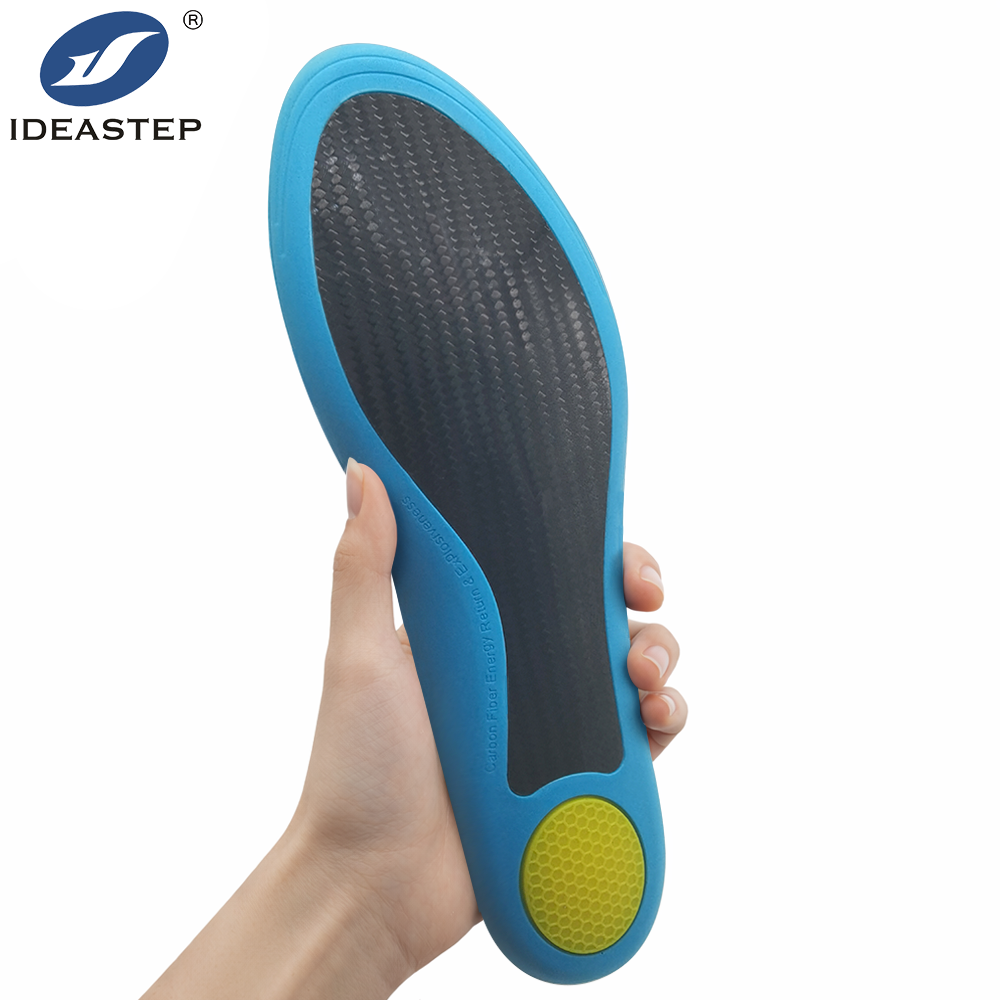
A carbon fiber insole usually contains a carbon fiber plate, sheet, or reinforced composite layer. Carbon fibers are combined with a resin matrix to form a lightweight composite with high stiffness.
The carbon fiber layer is normally combined with other materials rather than used alone. EVA, PU, or other foams can be added for cushioning and a more comfortable underfoot feel.
What Do Carbon Fiber Insoles Do?
Add Stiffness and Control Bending
The main function of carbon fiber is to resist bending. During walking or sports activities, the plate maintains the shape of the insole and creates a more stable platform under the foot.
Manufacturers can adjust the plate length, thickness, shape, and fiber orientation to control where and how the insole flexes.
Provide Lightweight Reinforcement
Carbon fiber has a high stiffness-to-weight ratio. A relatively thin layer can add structural reinforcement without making the insole excessively heavy.
Influence Load Transfer
A rigid carbon fiber layer changes how forces move through the footbed, midsole, and outsole. This makes it useful in footwear designs where controlled force transfer and reduced flex are important.
Do Carbon Fiber Insoles Provide Cushioning?
Carbon fiber itself is not a cushioning material. It provides structure rather than the soft compression associated with EVA, memory foam, PU, or gel.
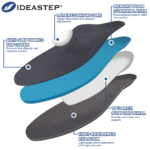
For this reason, many carbon fiber insoles use a layered construction. A carbon fiber plate provides stiffness, while a foam layer adds cushioning and separates the foot from the rigid structure.
Carbon Fiber vs EVA Insoles
| Feature | Carbon Fiber | EVA Foam |
|---|---|---|
| Main Function | Structural reinforcement | Cushioning |
| Flexibility | Low to moderate, depending on design | Generally more flexible |
| Weight | Low for its stiffness | Low |
| Underfoot Feel | Firm and responsive | Soft to moderately firm |
| Typical Role | Structural layer | Cushioning layer |
Carbon fiber and EVA are often used together rather than treated as competing materials. The carbon fiber controls stiffness, while EVA provides cushioning and helps soften the overall feel.
Are Carbon Fiber Insoles Good for Sports?
Carbon fiber can be useful in sports footwear when a lightweight, rigid structure is required. It is particularly relevant to designs where controlling shoe flex is important.
However, more stiffness is not always better. Plate thickness, length, fiber orientation, flex points, and the construction of the shoe all affect the final result.
Are Carbon Fiber Insoles Suitable for Everyday Shoes?
They can be, but the level of stiffness matters. A highly rigid plate may feel too firm in footwear designed for natural flexibility. A thinner or partially reinforced layer can provide structure while allowing more controlled movement.
For everyday footwear, the design usually needs to balance stiffness, cushioning, and flexibility rather than maximize rigidity.
What Affects Carbon Fiber Insole Performance?
- Thickness: A thicker plate generally increases stiffness.
- Fiber orientation: Fiber direction affects stiffness and flex behavior.
- Plate shape: Geometry determines where bending is restricted.
- Foam layer: EVA, PU, or other materials influence cushioning and comfort.
- Overall shoe construction: The midsole and outsole also affect the final flex characteristics.
Conclusion
Carbon fiber insoles are primarily structural components. They add stiffness, control bending, and provide lightweight reinforcement rather than cushioning on their own.
For many applications, combining carbon fiber with EVA or another cushioning material creates a more balanced insole. The appropriate construction depends on the required stiffness, flexibility, cushioning, and intended use of the footwear.
Related Post:
Why are Carbon Fiber Insoles Legal in Sports?
EVA vs TPU vs Carbon Fiber in Orthotic Insoles