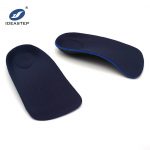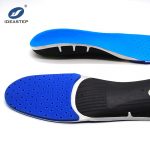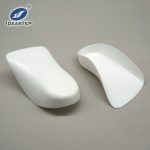
EVA is widely used for footwear insoles because it combines low weight, flexibility, cushioning, and easy processing. It can be produced in different densities, hardness levels, and thicknesses to meet the requirements of different footwear products.
For wholesalers, distributors, and footwear brands, premium wholesale EVA insoles can provide lightweight cushioning while allowing customization for bulk and private-label programs.
The final performance depends on more than the material itself. EVA density, hardness, thickness, shape, and overall construction all affect the insole’s fit and feel.
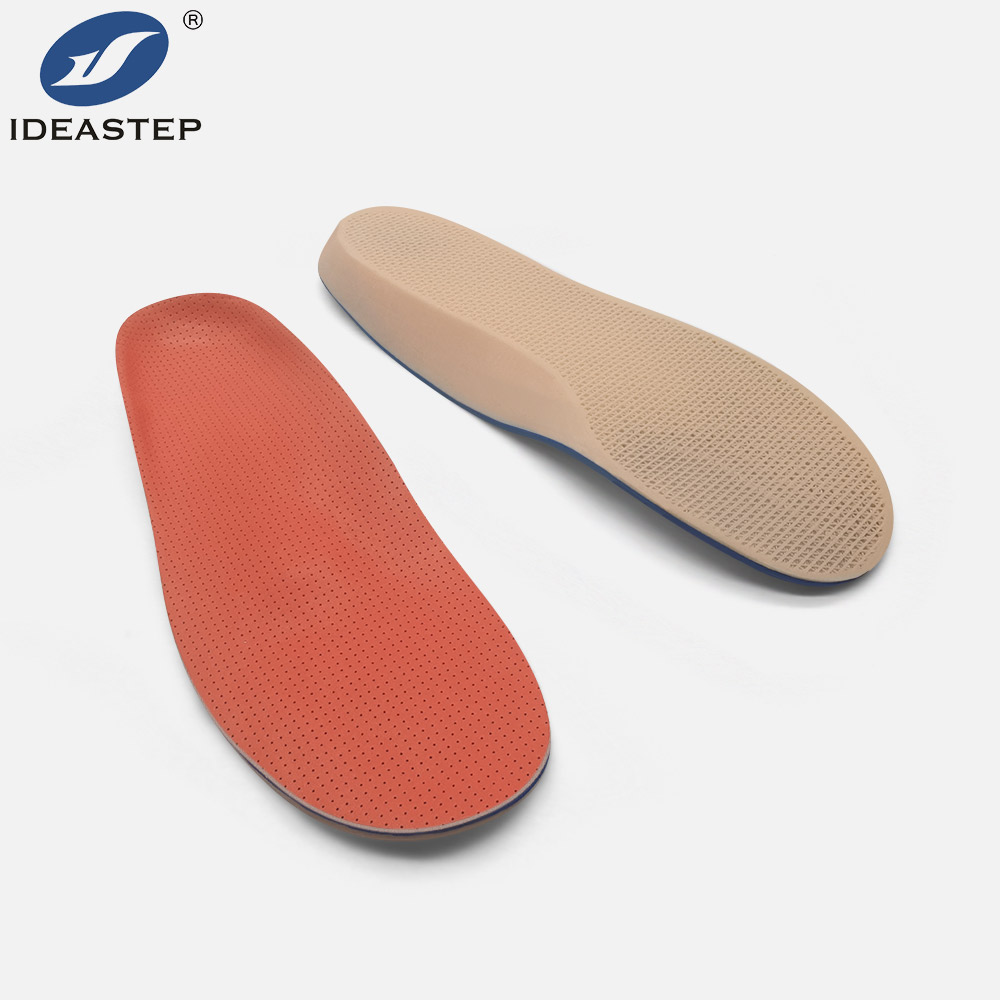
Why EVA Is Used for Wholesale Insoles
EVA can be molded, cut, and laminated into different insole constructions. This makes it suitable for a wide range of footwear, including:
- Running and sports shoes
- Casual footwear
- Walking shoes
- Work footwear
- Outdoor shoes
- Slippers
Different EVA specifications can be selected according to the footwear’s internal space, cushioning requirements, and target price.
Lightweight Cushioning with EVA
Lightweight construction is particularly important for sports and casual footwear. An overly thick or heavy insole can take up valuable space and change the original fit of the shoe.
Thickness and Density
Insole thickness needs to match the available space inside the footwear. A thicker EVA layer may provide more cushioning, but it can also reduce internal volume.
EVA density and hardness influence compression and underfoot feel. The appropriate specification should be selected according to the application rather than simply choosing a softer material.
Flexible Structure
EVA can be shaped to provide different levels of flexibility across the footbed.
A design may keep the forefoot flexible while adding more structure around the heel or arch. This helps balance cushioning, flexibility, and support without making the entire insole rigid.
EVA Insole Construction
EVA does not have to be used as the only material. A multi-layer construction can combine different materials for specific functions.
A common structure is:
Fabric Top Cover + EVA Cushioning Layer + Support Base
Depending on the application, materials such as TPU, PU, memory foam, or gel can be added to selected areas.
The construction should be matched to the footwear type, available space, performance requirements, and target cost.
Custom EVA Insoles for Bulk Orders
Standard insoles may not fit every shoe model. Custom development allows the insole to follow the footwear’s shape and specifications.
Customization can include:
- Insole length and width
- Heel shape
- Arch profile
- Insole thickness
- EVA density and hardness
- Top-cover material
- Surface texture
- Logo printing
- Private labeling
- Custom packaging
For example, a thin EVA construction may suit casual shoes, while a thicker version can be developed for walking or outdoor footwear.
EVA Insoles for Different Footwear
Sports and Running Shoes
Running and sports footwear generally requires a balance of low weight, cushioning, and flexibility. EVA can be adjusted to create lightweight constructions that fit the shoe’s internal volume.
Casual Footwear
Casual shoes often require a balance between comfort, appearance, thickness, and cost. Different fabric covers and EVA specifications can be combined to create distinct product styles.
Work and Outdoor Footwear
Work and outdoor shoes may require greater structural durability. EVA can be combined with a support base or other components when additional stability is needed.
What to Check Before Bulk Production
Before moving into mass production, evaluate the complete construction and test the sample inside the intended footwear.
Key points include:
- EVA density, hardness, and thickness
- Overall dimensions and fit
- Heel and arch positioning
- Cushioning and flexibility
- Bonding quality
- Top-cover attachment
- Edge finishing
- Production consistency
The approved sample and material specifications should be used as references for repeat orders.

OEM and ODM EVA Insole Customization
OEM and ODM services allow footwear brands and distributors to develop insoles around specific products rather than relying on standard designs.
The development process can cover:
Design → Material Selection → Sampling → Bulk Production → Packaging
Depending on the project, manufacturers can adjust the EVA specification, insole profile, dimensions, top cover, branding, and packaging.
This is particularly useful for private-label footwear programs where the insole needs to match an existing shoe collection.
Choosing an EVA Insole Supplier
When sourcing EVA insoles in bulk, consider the supplier’s ability to handle both materials and customized production.
Relevant capabilities include:
- EVA material options
- Custom molding and cutting
- Insole structure development
- Sample production
- Quality control
- OEM/ODM support
- Bulk production
- Private-label packaging
A manufacturer with experience across different footwear categories can help select a suitable EVA construction based on the actual application.
Conclusion
Premium wholesale EVA insoles offer a practical combination of lightweight cushioning, flexibility, and customization for bulk footwear programs.
By adjusting density, hardness, thickness, shape, and supporting materials, EVA insoles can be developed for sports, casual, work, outdoor, and other footwear applications.
For wholesalers, distributors, and footwear brands, the main considerations are material consistency, footwear fit, cushioning, customization, and reliable bulk production. OEM/ODM development can provide additional control over the insole design, branding, and packaging.
Related Post:
EVA Insole Durability: What to Look for When Shopping
Is EVA Insole Elasticity Good?