Introduction
Footwear quality largely depends on its internal structural materials, and the insole board is one of the most critical hidden components that determine shoe stability, shaping effect and long-term wear performance. Many shoe manufacturers and wholesalers now switch to shoe insole board with EVA to upgrade their product lines, replacing traditional rigid paper boards or single-layer nonwoven boards.
This EVA composite structure strikes a unique balance between structural rigidity and soft cushioning. It keeps shoes well-shaped and resistant to deformation while delivering far better foot comfort than conventional hard boards. For B2B footwear buyers, understanding the actual material performance and sourcing criteria of EVA composite insole boards is key to stabilizing production quality and lowering defective rates.
What Makes EVA Composite Insole Boards Different
Standard insole boards are designed purely for support, which makes them stiff and uncomfortable for long-time wear. Pure EVA foam, by contrast, offers soft cushioning but lacks the structural strength to hold a shoe’s shape over time, leading to collapse, loose fitting and shortened product lifespan.
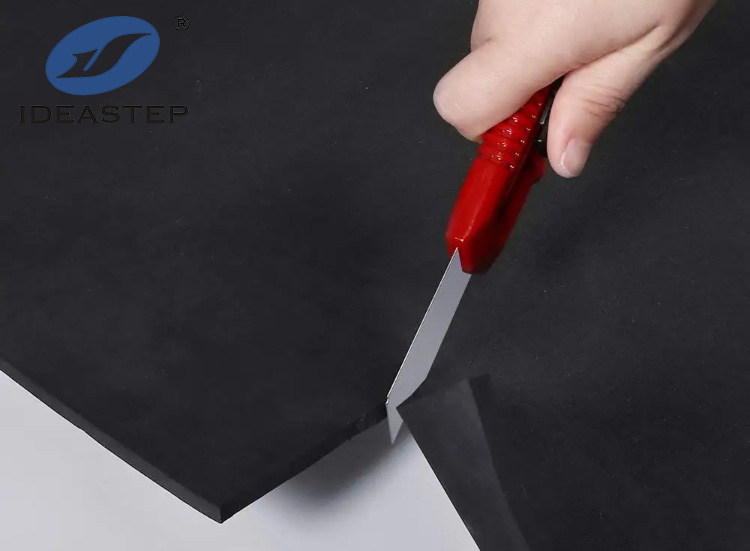
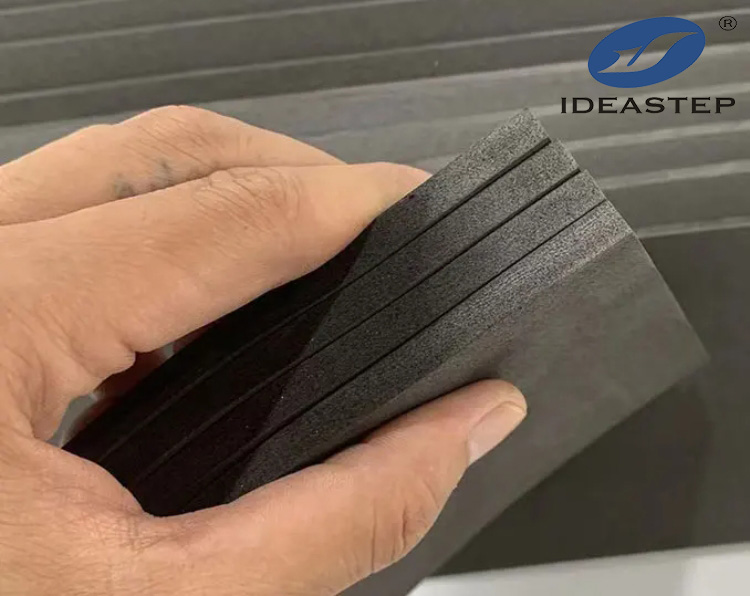
Shoe insole board with EVA combines the strengths of two materials. The firm base layer provides structural tension to maintain shoe contour and resist daily bending deformation. The bonded EVA foam layer adds flexible shock absorption, easing foot pressure during walking and standing. This hybrid design fits modern lightweight footwear trends, meeting market demand for both stylish shaping and wearable comfort.
Key Performance Criteria for Sourcing Shoe Insole Board With EVA
When sourcing in bulk, appearance and thickness alone cannot define quality. Buyers need to focus on practical production-grade performance that affects molding efficiency, finished shoe consistency and after-sales feedback.
Reliable Composite Lamination
Lamination quality is the top failure point for low-grade EVA insole boards. Inferior products suffer from weak bonding, resulting in bubbling, hollow layers or edge peeling after thermoforming, pressing and repeated bending during shoe assembly.
High-quality shoe insole board with EVA features tight, seamless compounding. The base board and EVA foam stay integrated steadily under high-temperature processing and long-term daily friction, eliminating delamination risks throughout production and consumer use.
Consistent Thickness and Flatness
Mass footwear assembly requires extremely uniform substrate specifications. Uneven board thickness or uneven surface flatness directly causes irregular shoe heights, poor fitting and inconsistent finished product aesthetics.
Qualified EVA composite boards maintain precise thickness tolerance and smooth flat surfaces across the entire sheet and every production batch. This consistency ensures stable molding results and improves overall production yield.
Balanced Hardness and Flexibility
Ideal EVA insole boards deliver balanced mechanical performance. They are rigid enough to support the shoe structure and prevent sagging, yet flexible enough to withstand frequent walking bends without cracking or creasing.
Overly hard boards create stiff, uncomfortable footwear, while overly soft materials fail to support foot mechanics. Selecting boards with matched hardness and flexibility according to shoe style is essential for premium finished footwear.
Uniform EVA Foam Structure
The internal foaming condition decides the durability of cushioning performance. Dense, uniform foam pores ensure even stress dispersion and stable compression recovery. Inconsistent foaming, oversized pores or hollow areas lead to local depression, weakened support and rapid performance degradation.
Premium shoe insole board with EVA adopts controlled foaming technology to maintain consistent elasticity, ensuring long-term comfort without flattening.
Moisture Resistance and Shape Retention
Footwear faces diverse daily environments, including humid weather and occasional water contact. Ordinary insole boards easily absorb moisture, turning soft, deformed or moldy, which ruins shoe shaping and shortens service life.
EVA composite boards feature excellent moisture resistance. They do not easily absorb water or deform in humid conditions, retaining stable structure and shoe flatness for long-term use.
Strict Batch-to-Batch Consistency
For continuous assembly line production, batch stability is indispensable. Reliable suppliers standardize raw material ratios, composite temperature and pressure parameters to ensure unified hardness, thickness and lamination effect across all batches. Steady quality avoids inconsistent finished shoe standards and reduces production adjustment costs.
Common Footwear Applications
Thanks to its dual advantages of support and comfort, shoe insole board with EVA suits a wide range of mainstream footwear styles:
- Daily casual shoes for balanced support and all-day walking comfort
- Lightweight sneakers for shock absorption and stable shoe shaping
- Flat fashion shoes for neat appearance and smooth bottom molding
- Children’s shoes for safe, moderate hardness and comfortable foot protection
Customization Options for Branded Footwear Lines
Most professional manufacturers provide flexible customization to match different product positioning. Footwear brands can adjust board thickness, EVA hardness, base material grammage and surface treatment according to specific shoe designs. Both sheet and roll materials are available to adapt to different production processes. Low-volume trial orders allow quality verification before large-scale stocking, helping brands avoid batch risks.
Typical Sourcing Mistakes to Avoid
Many buyers focus excessively on low unit cost while ignoring core practical performance. Sourcing ultra-cheap boards often leads to insufficient structural support, poor lamination and unstable batch quality. Skipping pre-order bending tests, moisture resistance checks and batch comparison inspections will eventually result in high defective rates and brand reputation losses.
Conclusion
Shoe insole board with EVA is a practical, production-friendly composite material that solves the shortcomings of traditional single-layer insole boards. It delivers reliable structural support, comfortable cushioning and stable molding performance for modern footwear. For B2B sourcing, prioritizing lamination quality, thickness uniformity, flexible hardness, foam stability and batch consistency is the most effective way to optimize finished shoe quality and reduce operational risks.
Contact our team to get verified material samples and customized bulk wholesale quotations for your footwear production.
Related product links: https://www.aideastep.com/eva/.