Introduction
As custom foot care solutions continue to gain popularity, 3D printed insoles have become a mainstream upgrade for footwear brands and orthotic product lines. Compared with traditional factory-molded insoles that offer fixed shapes and one-size-fits-all support, 3D printed insoles deliver precise, personalized foot support, better gait correction and longer-lasting comfort. For wholesale buyers planning to add custom orthotic products, 3D printed insoles price is always the most practical and decisive factor in bulk purchasing decisions.
Many wholesalers only compare unit prices on the surface, without understanding what truly impacts 3D printed insoles price in large-batch orders. Material grades, printing accuracy, customization levels, post-processing work and order scale all create huge wholesale price differences. This real-world sourcing guide explains every key cost factor, helping buyers understand market pricing logic, avoid overspending, and select cost-effective 3D printed insoles for long-term business growth.
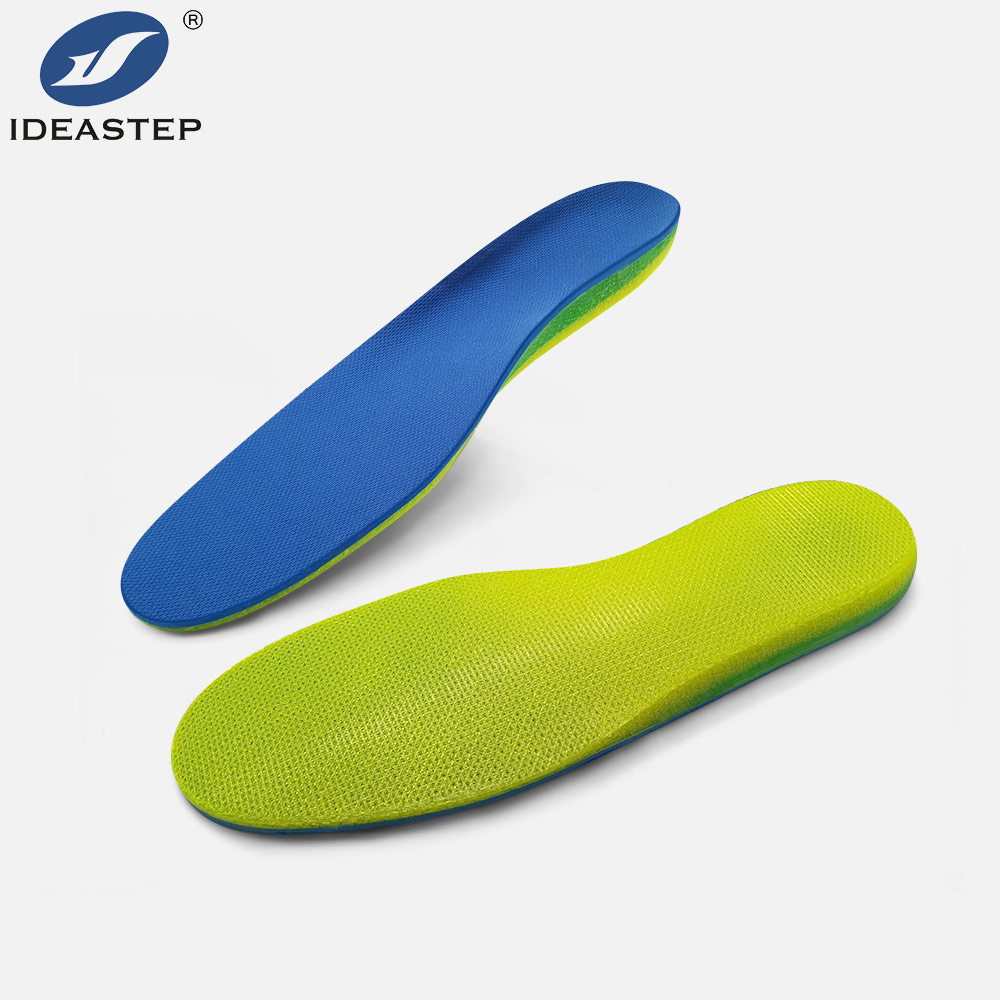
Key Factors That Greatly Affect 3D Printed Insoles Price
The wholesale cost of 3D printed insoles is never standardized. Suppliers adjust quotations based on multiple production variables. To accurately judge whether a quotation is reasonable, buyers must analyze these core pricing components that directly change 3D printed insoles price.
Printing Material Grade and Durability
Materials are the largest cost component that determines 3D printed insoles price. Low-cost generic polymers reduce upfront expenses but lack elasticity, compression resistance and structural stability. Budget materials tend to flatten quickly, deform after short use, and fail to maintain consistent arch support, leading to high customer returns.
In contrast, professional-grade TPU, flexible resin and medical-certified printing materials greatly improve insole durability, rebound performance and wearing comfort. Although they raise the base 3D printed insoles price slightly, these high-quality materials deliver stable product quality, fewer after-sales issues and higher retail profit margins for wholesale brands.
3D Scanning and Customization Depth
Basic template-based 3D printed insoles use fixed design data, requiring no personalized scanning or data adjustment, so they carry the lowest 3D printed insoles price. These generic versions work for entry-level wholesale markets with basic comfort demands.
High-value custom orders require professional 3D foot scanning, personalized arch height adjustment, heel cup optimization and pressure distribution calibration for flat feet, high arches and overpronation issues. Full customization requires extra technical work, data analysis and manual fine-tuning, naturally increasing 3D printed insoles price while significantly improving product added value and market competitiveness.
Printing Technology and Molding Precision
Different 3D printing processes directly affect product quality and wholesale pricing. Basic FDM printing lowers production costs but produces rough surfaces, uneven pore structures and slight dimensional errors, suitable only for low-budget wholesale lines.
Industrial-grade MJF and SLA printing delivers ultra-fine molding, uniform material density, smoother surfaces and more accurate structural support. Higher-precision equipment and stable production processes raise 3D printed insoles price, but ensure every batch of 3D printed insoles maintains consistent support, comfort and appearance for high-end market positioning.
Post-Processing and Surface Finishing
Raw 3D printed insoles require secondary processing before retail sale. Basic trimming and deburring keep 3D printed insoles price low, while premium post-processing greatly upgrades product quality.
High-grade wholesale insoles include fine polishing, anti-slip texture treatment, optimized breathable holes and skin-friendly surface finishing. These processes eliminate rough edges, improve wearing safety and enhance overall product texture. Although post-processing increases labor costs, it makes 3D printed insoles more marketable and reduces customer complaints.
Bulk Order Volume and Long-Term Cooperation Discounts
Order quantity is one of the most flexible factors affecting 3D printed insoles price. Small-batch trial orders and sample orders have higher unit prices due to fixed machine setup and debugging costs.
Large-volume bulk orders allow suppliers to dilute equipment depreciation, material waste and labor expenses, offering obvious batch discounts. Long-term stable wholesale cooperation further locks in preferential 3D printed insoles price, helping buyers maximize profit margins throughout the year.
Private Label and Custom Packaging
Standard neutral packaging keeps wholesale prices competitive. If buyers need custom logos, exclusive color matching, personalized surface patterns and branded packaging, additional customization fees will apply.
While private labeling raises 3D printed insoles price moderately, it helps wholesale brands build differentiated product images, achieve higher retail premiums and stand out in the competitive custom insole market.
Wholesale Price Tier Reference for 3D Printed Insoles
In the current global wholesale market, 3D printed insoles price can be divided into three clear tiers to help buyers quickly match budget and positioning:
- Entry-level tier: Low-cost template 3D printed insoles with generic materials, suitable for budget wholesale channels and basic foot care sales.
- Mid-range tier: Standard custom 3D printed insoles with certified materials, precise scanning and fine finishing, the most cost-effective choice for mainstream footcare brands.
- High-end tier: Medical-grade fully customized 3D printed insoles, supporting full gait correction and exclusive branding, for premium retail and medical institutions.
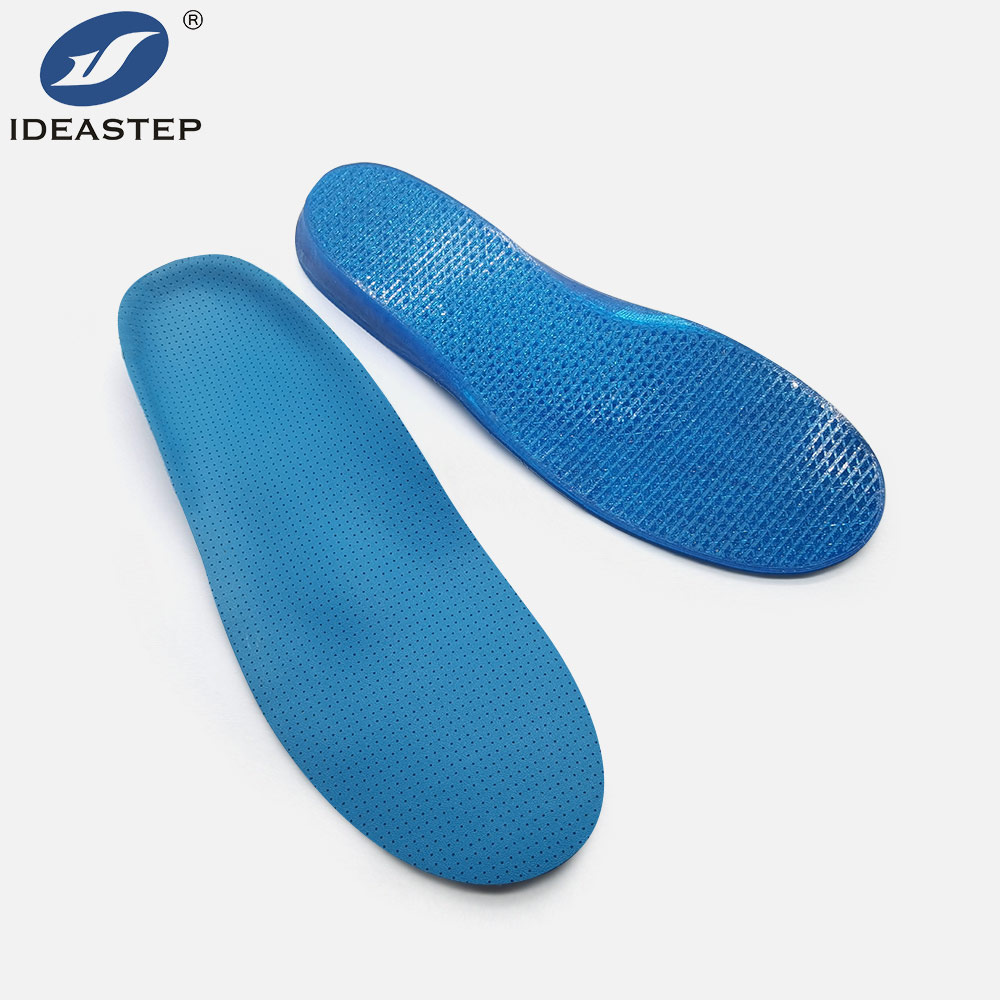
Effective Ways for Wholesalers to Optimize Procurement Costs
Successful wholesale sourcing does not blindly pursue the lowest 3D printed insoles price. It focuses on balancing cost, quality and long-term operational risks.
Buyers can match material grade and customization depth according to target market demands, avoiding over-specification and unnecessary cost waste. Consolidating orders and maintaining long-term supplier cooperation is the most efficient way to stabilize favorable 3D printed insoles price. Meanwhile, always complete sample testing before mass orders to avoid defective batches that cause hidden losses.
Common 3D Printed Insoles Price Misconceptions
The biggest sourcing mistake is equating low 3D printed insoles price with cost performance. Ultra-low-priced 3D printed insoles often suffer from insufficient support, easy deformation, rough craftsmanship and poor comfort, resulting in high return rates and damaged brand credibility.
On the other hand, overly high pricing does not always represent better quality. Some suppliers inflate prices with exaggerated marketing concepts. Buyers should evaluate real material performance, printing precision and customization effects instead of simply comparing 3D printed insoles price.
Conclusion
3D printed insoles price varies significantly in the wholesale market, determined by material quality, customization depth, printing precision, post-processing standards, order volume and branding needs. Every price difference corresponds to specific product quality and market positioning. For wholesale buyers, fully understanding pricing rules helps control procurement budgets, select high-quality 3D printed insoles, and build a profitable, low-risk custom foot care product line.
Contact our team to get updated 3D printed insoles price and professional bulk wholesale quotations for your business.
Related Post:
How to Help the Pain of Foot with 3D Printing insoles?
Custom Orthotics 3D Printing Bespoke Foot Supports for Podiatrists & Brands