For footwear brands, distributors, clinics, and foot-care companies, developing the right insole product requires more than selecting an existing model. Different markets, footwear types, and customer needs often require specific designs, materials, and performance characteristics.
Ideastep provides custom orthotic insoles for wholesale and OEM projects, supporting buyers with product development, material selection, structural adjustments, and bulk manufacturing.
Custom Orthotic Insoles Designed for Different Markets
Every insole project starts with a clear application. The design for a sports shoe may differ significantly from a product intended for work footwear, casual shoes, or professional foot-care applications.
Depending on the project, custom orthotic insoles can be developed with adjustments to:
- Arch support structure
- Heel cup design
- Cushioning areas
- Material combinations
- Thickness and flexibility
- Size range
- Top-cover materials
- Branding and packaging
The goal is to create an insole that matches the intended footwear, target market, and production requirements.
Material Selection for Custom Insole Production
Material choice directly affects the comfort, support, durability, and cost of an insole. A suitable material combination depends on the product structure and intended application.
EVA
EVA is one of the most commonly used materials in insole manufacturing. It offers lightweight cushioning, flexibility, and multiple density options, making it suitable for a wide range of comfort and support applications.
TPU
TPU is often used for structural components where additional stability and support are required. It can be integrated into functional designs to improve shape retention and support performance.
PU and Memory Foam
PU and memory foam are commonly selected for cushioning-focused products. Different densities can provide different levels of softness, resilience, and underfoot comfort.
Textile and Top-Cover Materials
The top cover influences the surface feel and appearance of the finished insole. Materials such as textile fabrics and mesh can be selected based on breathability, durability, and product positioning.
OEM Development Process
A reliable OEM process helps ensure that the final product meets the buyer’s expectations before moving into mass production.
Product Requirement Review
The process usually begins with a sample, technical drawing, reference product, or initial concept.
The manufacturer reviews key details, including:
- Target footwear application
- Product dimensions
- Material preferences
- Support structure
- Cushioning requirements
- Size range
- Branding and packaging needs
Sample Development and Testing
After specifications are confirmed, the factory develops a sample for evaluation.
The buyer can review:
- Fit inside the target footwear
- Insole thickness
- Arch and heel structure
- Cushioning feel
- Material performance
- Overall appearance
Feedback from sample testing helps refine the design before production approval.
Bulk Manufacturing
Once the sample is approved, production follows the confirmed specifications.
Important production details include:
- Material selection
- Insole dimensions
- Layer construction
- Surface finishing
- Logo placement
- Packaging requirements
Maintaining the approved specification helps ensure consistency across repeat orders.
Wholesale Orthotic Insoles for B2B Buyers
For wholesalers and distributors, a dependable supply chain is as important as the product itself.
Key considerations often include:
- Consistent product quality
- Stable production capacity
- Flexible customization options
- Reasonable MOQ requirements
- Reliable lead times
- Private-label support
A capable manufacturer should be able to support both standard wholesale orders and customized product development.
Quality Control in Insole Manufacturing
Quality control is an important part of maintaining product consistency, especially for branded OEM projects.
Depending on the product structure, inspections may include:
- Material quality and consistency
- Length, width, and thickness
- Hardness and density
- Layer bonding
- Structural accuracy
- Surface finishing
- Logo placement
- Packaging details
Clear production specifications and approved samples provide a reliable reference for bulk and repeat orders.
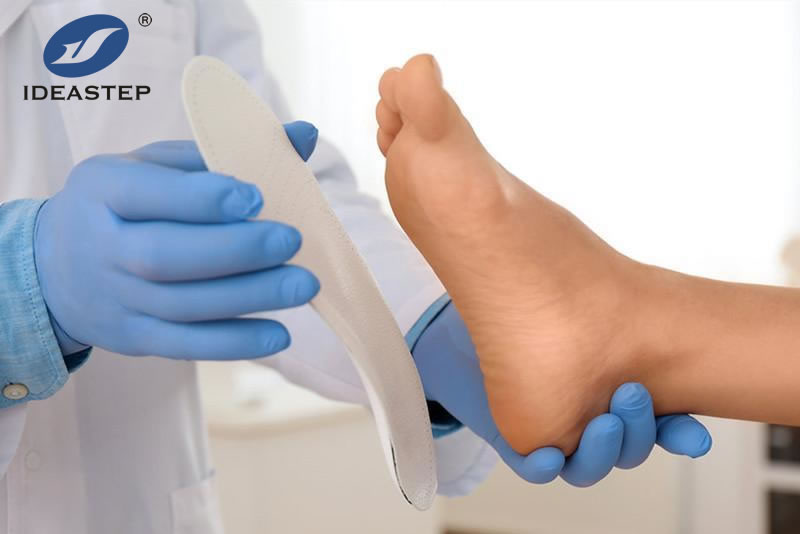
Why Work with Ideastep for OEM Insoles?
Ideastep develops custom orthotic and functional insoles for global B2B customers, supporting projects from initial concept through production.
The OEM process can include:
- Custom insole structures
- Material selection
- Size and shape adjustments
- Top-cover development
- Branding and packaging
- Bulk manufacturing
With experience in EVA, TPU, PU, memory foam, and other insole materials, Ideastep helps buyers develop products for different footwear applications and market requirements.
Projects can start from an existing sample, technical drawing, reference product, or new product idea.
Conclusion
Developing custom orthotic insoles requires close cooperation between the buyer and manufacturer. Beyond product design, factors such as material selection, production consistency, and quality control all influence the final result.
For brands, distributors, and private-label companies, choosing a manufacturer with OEM development experience can make the transition from concept to bulk production more efficient.
Ideastep supports wholesale and OEM insole projects with custom development, manufacturing capabilities, and flexible production options.
Related Reading:
Ideastep Custom 3D Printed Insoles for Professional Orthotic Solutions
Ideastep Premium Orthopedic Shoe Inserts Custom – FDA & CE Certified