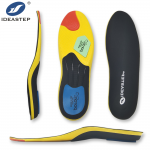
When sourcing silicone insoles for plantar fasciitis, material choice is only the starting point. Silicone hardness, thickness, arch profile, heel design, cushioning zones, and footwear compatibility all affect the finished product.
For wholesalers, distributors, podiatry suppliers, and private-label brands, these specifications should be defined before sampling. A clear product brief makes it easier to compare samples and control revisions before bulk production.
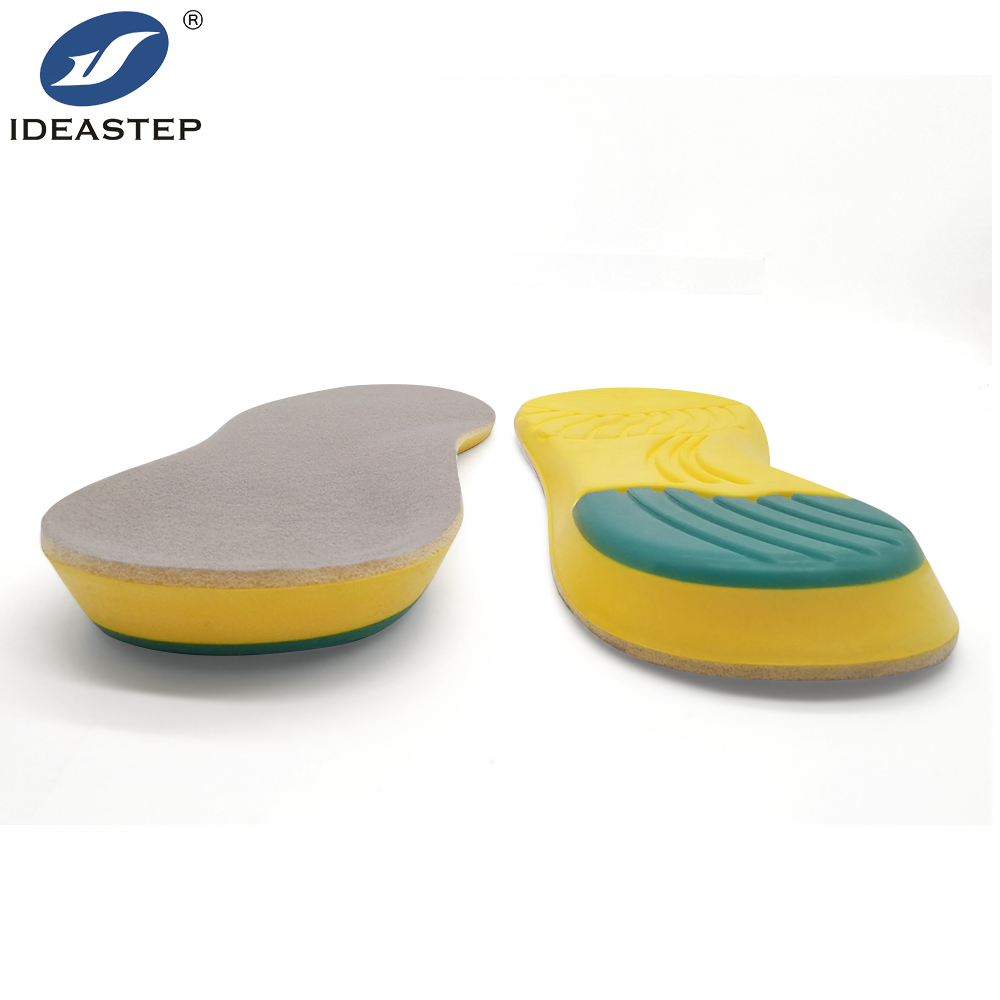
1. Choosing the Right Silicone Material
Silicone is commonly used where a soft, flexible cushioning layer is required. Its hardness and thickness can be adjusted for different product designs, while molded shapes allow cushioning to be concentrated in specific areas.
However, a full-silicone construction is not always necessary. Silicone can be combined with EVA, TPU, foam, or fabric to achieve a better balance of cushioning, structure, weight, and cost.
| Property | What to Check |
|---|---|
| Hardness | Softness, cushioning feel, and support characteristics |
| Thickness | Available space inside the target footwear |
| Elasticity | Response to repeated compression and loading |
| Surface texture | Grip, foot contact, and compatibility with the top layer |
| Finish | Appearance, surface feel, and consistency between batches |
2. Designing the Insole Structure
The silicone layer should work with the overall insole structure rather than being designed separately. Arch geometry, heel construction, and forefoot thickness should match the intended application.
Arch
When reviewing the arch area, look beyond height. The arch width, position, contour, and underlying material all influence the final support profile and insole construction.
Heel
The heel area may combine a shaped heel cup with a silicone cushioning zone. Buyers should specify the heel cup depth, silicone thickness, and transition into the midfoot area during sampling.
Forefoot
The forefoot should retain enough flexibility for normal shoe movement without adding unnecessary bulk. Thickness needs to be checked against the available space inside the target footwear, particularly in low-volume shoes.
3. Full Silicone or Multi-Material Construction?
The construction should reflect the product’s intended use and target price.
| Construction | Typical Purpose |
|---|---|
| Full silicone | Soft and flexible cushioning throughout the insole |
| Silicone + EVA | Silicone cushioning with a lightweight structural base |
| Silicone + TPU | Additional structure or reinforcement in selected areas |
| Silicone + foam | Different cushioning characteristics across the insole |
| Silicone + fabric | Improved surface finish, appearance, and foot contact |
For private-label products, the material combination can also be adjusted to meet specific cost and performance requirements.
4. Check Footwear Compatibility Early
Insole dimensions should be developed around the shoe, not independently from it. Before sampling, provide the shoe type, size range, available internal space, and whether the original insole will be removed.
Safety shoes, work boots, athletic shoes, and everyday footwear can require different thickness and flexibility profiles. Heel height and toe-box space should also be considered.
5. Surface Design
The top surface affects grip, foot feel, and appearance. Depending on the product, options may include textured silicone, mesh, microfiber, or other fabric covers.
For daily-use products, evaluate the surface together with the complete insole during wear testing rather than judging the material separately.
6. Sampling and Quality Checks
A production sample should be reviewed for both construction and fit. Key points include:
- Length and width
- Arch profile and position
- Heel cup shape and depth
- Silicone hardness and thickness
- Forefoot flexibility
- Surface texture and finish
- Fit inside the target footwear
- Bonding between different materials
- Logo and packaging details
Depending on the construction and market, quality checks may also include compression, flexing, bonding, and dimensional testing.
7. OEM and ODM for B2B Buyers
OEM is suitable when the buyer already has a defined design and needs production according to specific requirements such as dimensions, materials, support zones, branding, and packaging.
ODM is more suitable when the buyer needs assistance developing the product. The manufacturer may adjust the structure, material combination, appearance, or production specifications based on the project requirements.
Before development starts, clarify which specifications are fixed and which can be modified. This keeps sampling and revisions under control.
8. What to Include in a Silicone Insole RFQ
A useful RFQ should include the basic specifications needed for sampling and costing:
- Insole type and application
- Target footwear
- Size range
- Silicone hardness and thickness
- Arch and heel requirements
- Additional materials
- Top-cover material
- Color
- Logo and branding
- Packaging
- Expected order quantity
- Target market and compliance requirements
Existing samples, drawings, photos, or CAD files are useful when a specific shape or construction needs to be reproduced.
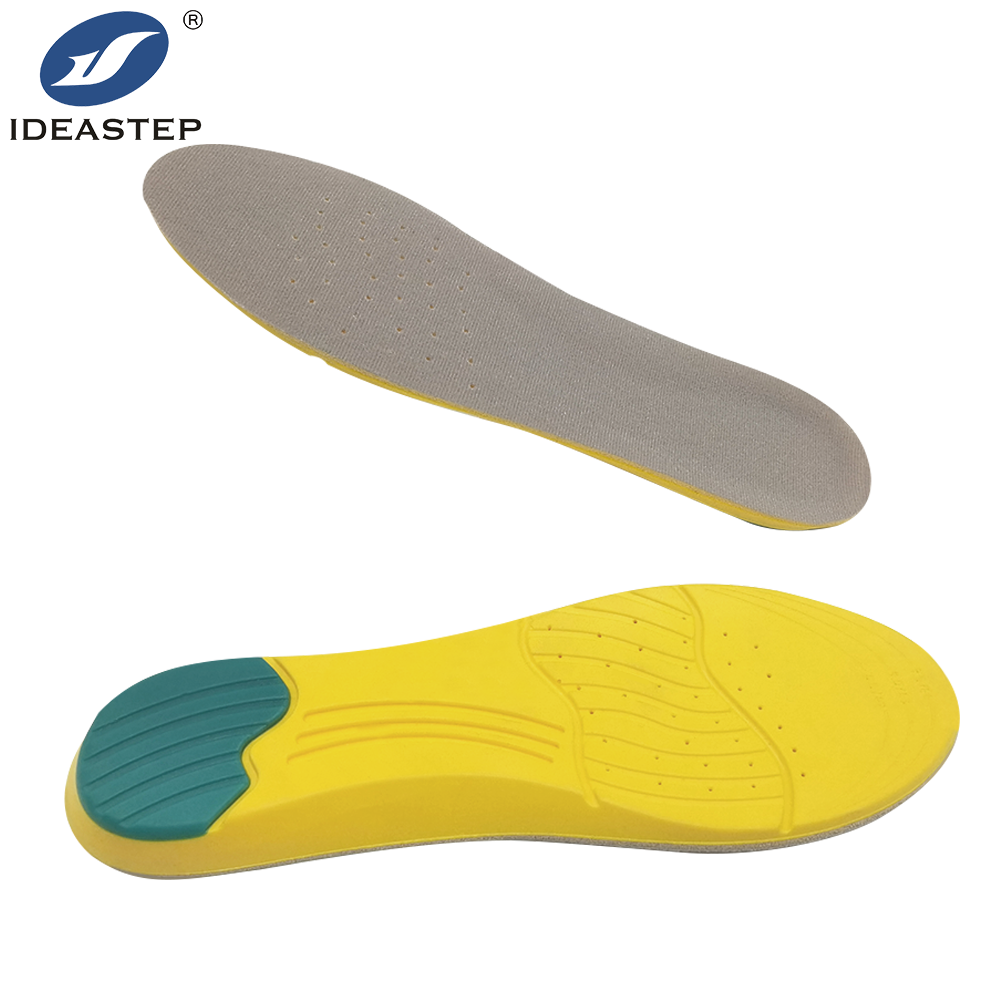
9. What to Look for in a Manufacturer
For B2B sourcing, compare suppliers on more than unit price. Key factors include material consistency, sampling capability, production capacity, quality control, customization, MOQ, lead time, and communication during development.
It is also worth checking whether the manufacturer can handle related components such as EVA bases, TPU supports, fabric covers, packaging, and private-label requirements. This can simplify projects involving multiple materials or production processes.
Ideastep supplies custom insoles for wholesale and OEM/ODM projects, with structures and material combinations developed according to specific product requirements.
Conclusion
Silicone insoles for plantar fasciitis should be evaluated as a complete product rather than by silicone material alone. Hardness, thickness, arch and heel geometry, cushioning zones, footwear fit, surface design, and production requirements all need to work together.
For B2B buyers, defining these details before sampling creates a clearer basis for supplier evaluation, product revisions, and bulk production.
Related Post:
Silicone Insoles for Shoes Comfort Shock‑Absorbing Supplies for Bulk Buyers
Silicone Insoles for Heels for Everyday Comfort and Heel Cushioning