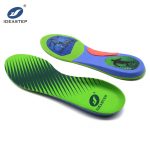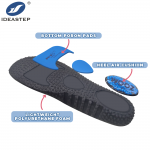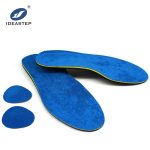
A good walking insole needs to balance cushioning, support, flexibility, and fit. For B2B buyers, the product also needs to meet requirements for materials, construction, sizing, production, and cost.
Whether sourcing for retailers, private-label brands, footwear companies, or distributors, define the application first. This makes material selection and sampling more precise and reduces revisions before bulk production.
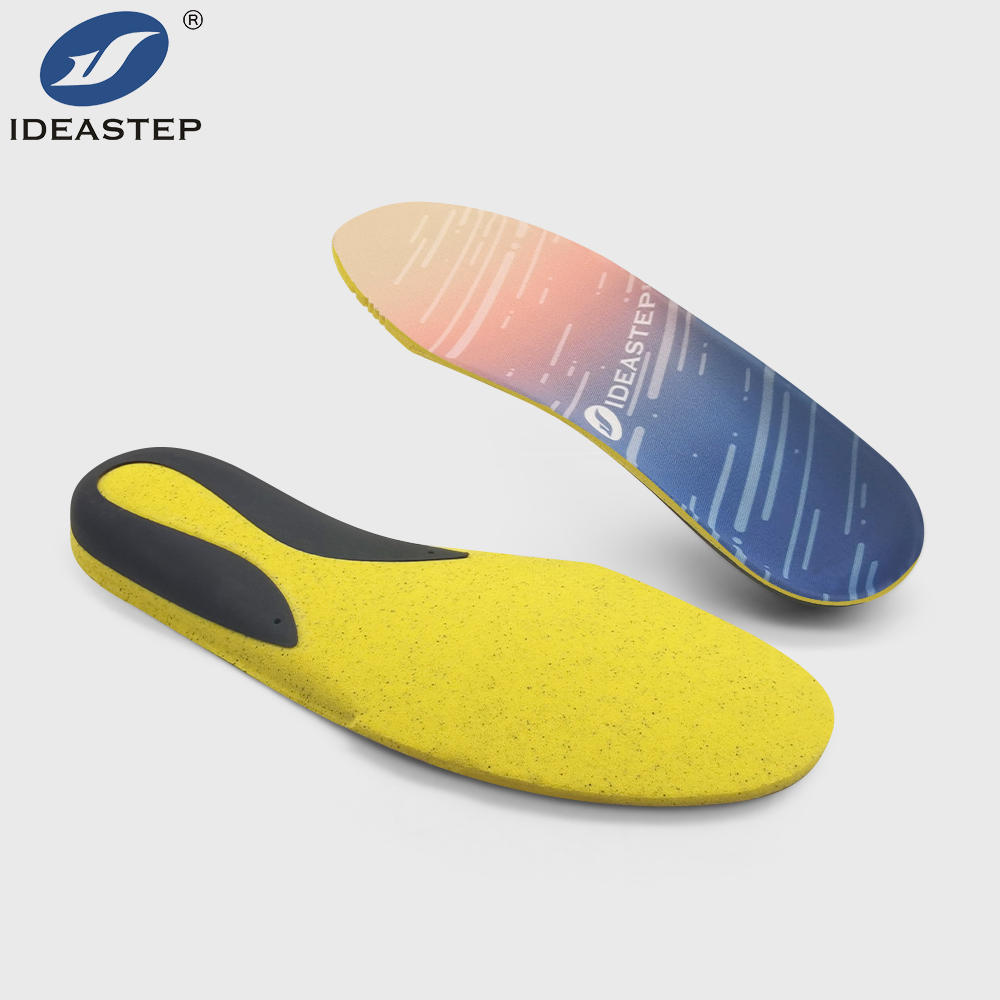
1. Define the Walking Application
Walking insoles are used in casual shoes, walking shoes, work shoes, and travel footwear, and each application may require a different profile.
Before development, confirm the footwear type, target users, expected wearing time, size range, and price positioning. These details provide a basis for selecting the structure and materials.
2. Select Materials for the Design
Material choice affects cushioning, flexibility, weight, durability, and cost. Common options include:
| Material | Typical Use |
|---|---|
| EVA | Lightweight cushioning and structural base |
| PU | Flexible cushioning for everyday footwear |
| TPU | Arch support and structural reinforcement |
| PORON | Localized cushioning |
| Memory foam | Soft cushioning and pressure distribution |
| Silicone | Soft cushioning and flexible contact areas |
| Fabric | Top-cover finishing and surface feel |
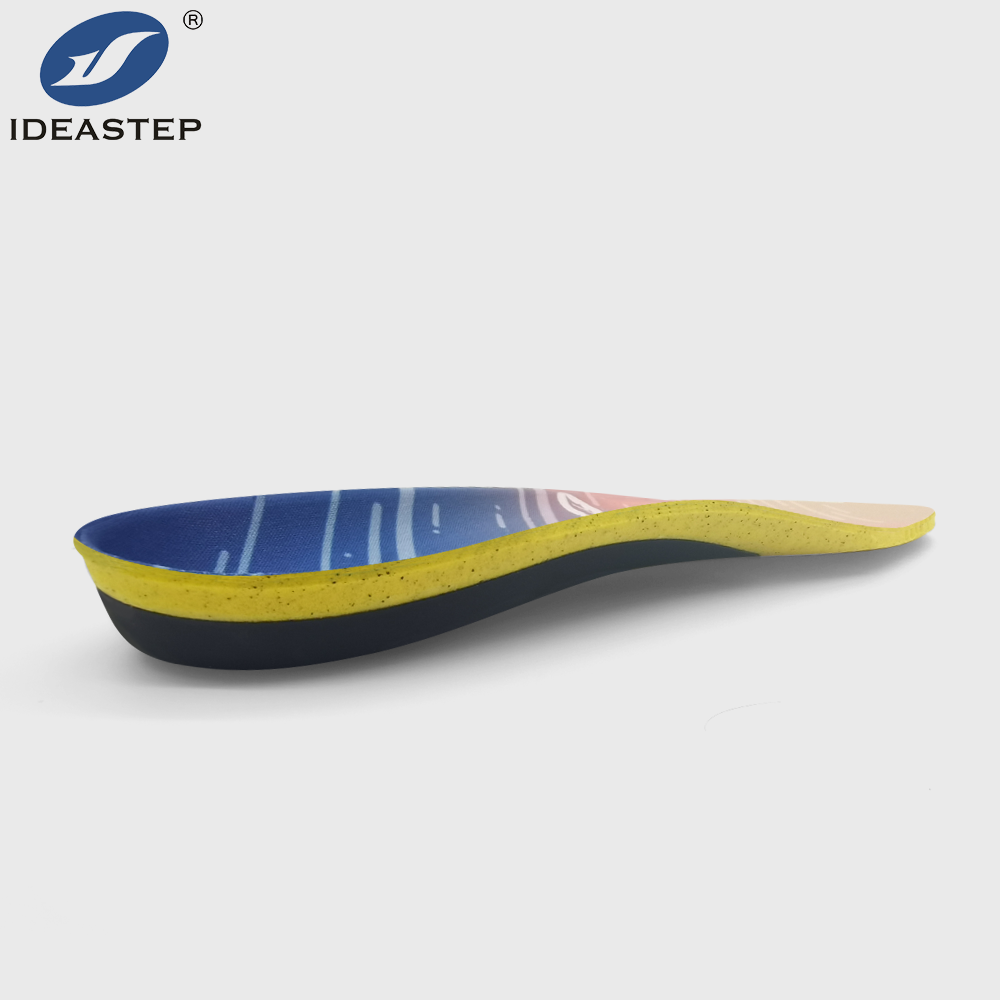
Multi-layer constructions are also common. Combining materials allows different areas of the insole to provide different characteristics without adding unnecessary bulk.
3. Review the Support Profile
Cushioning is only one part of the design. The arch, heel, and forefoot should match the intended footwear and product requirements.
Arch
Look beyond arch height. Width, position, contour, and the underlying material all influence the final support profile.
Heel
A shaped heel cup can provide positioning within the insole, while a cushioning layer can be added where softer contact is required.
Forefoot
The forefoot should remain flexible during walking without adding unnecessary thickness. This is particularly important for low-volume footwear.
4. Check Footwear Fit Early
Insole dimensions should be developed around the target shoe. Overall thickness, heel height, arch profile, and forefoot volume need to fit the available internal space.
A construction suitable for a roomy walking shoe may not work in a low-volume casual shoe. When possible, provide the shoe type, internal dimensions, and original insole specifications during development.
5. Choose the Right Top Cover
The top cover affects surface feel, grip, appearance, and product finish. Common options include polyester fabric, mesh, microfiber, and velvet.
Evaluate the cover with the complete insole rather than separately, since surface performance can change with different underlying materials.
6. Evaluate Samples in the Target Shoe
Test the sample inside the intended footwear. Check fit, thickness, heel position, arch profile, forefoot flexibility, and interaction with the shoe upper.
The sample stage should also confirm dimensions, materials, colors, logo placement, surface finish, and packaging before the production specification is finalized.
7. Set Quality Requirements Before Production
Quality requirements should be agreed upon before bulk production. Depending on the construction, buyers may check:
- Material hardness and density
- Dimensions and thickness
- Layer bonding
- Surface finish
- Flexibility
- Compression performance
- Color consistency
- Logo and packaging accuracy
Testing should match the materials, construction, and target market. Clear specifications give both sides a consistent reference for production inspection.
8. OEM and ODM Options
OEM is suitable when the buyer has an established design and needs production to defined specifications, including dimensions, materials, support zones, branding, and packaging.
ODM is more suitable when the buyer needs assistance with product development. The manufacturer may adjust the structure, material combination, appearance, or production specifications according to the project.
Confirm which specifications are fixed and which can be changed before sampling. This keeps revisions under control.
9. Prepare a Clear RFQ
A complete RFQ gives the manufacturer the information needed for sampling and costing. Include:
- Product application
- Target footwear
- Size range
- Overall thickness
- Arch and heel requirements
- Material preferences
- Top-cover material
- Color
- Logo and packaging details
- Expected order quantity
- Sample requirements
- Target market and compliance requirements
Existing samples, drawings, photos, or CAD files are useful for projects with specific shapes or constructions.
10. Compare Suppliers Beyond Unit Price
Unit price is only one part of a B2B sourcing decision. Compare suppliers on material consistency, sampling capability, customization, MOQ, lead time, production capacity, quality control, and communication.
Also check whether the supplier can manage multiple materials and processes within one project. A walking insole may combine EVA, TPU, foam, fabric, molding, printing, or CNC processing.
Ideastep develops and supplies custom insoles for wholesalers, distributors, and OEM/ODM buyers, with structures and material combinations adjusted to specific product requirements.
Conclusion
Good shoe insoles for walking require more than soft cushioning. Material selection, support profile, thickness, footwear fit, top-cover construction, and production consistency all need to work together.
For B2B buyers, defining these requirements before sampling provides a clearer basis for supplier comparison, product development, and bulk production.
Related Post:
Good Shoe Insoles for Flat Feet: What B2B Buyers Need to Know Before Sourcing
Good Shoe Insoles for Plantar Fasciitis: Key Design Considerations for Foot Care Brands