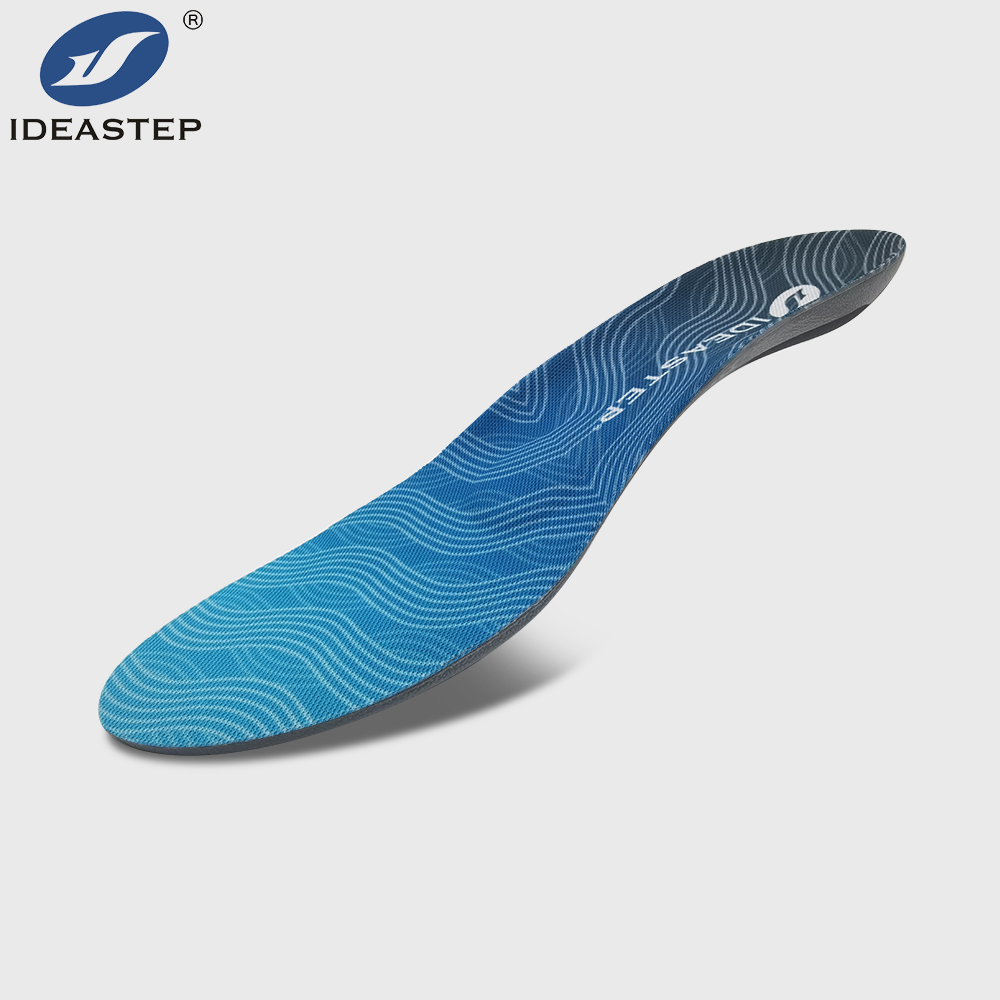
Medical arch support insoles combine a contoured arch with materials selected for specific support and cushioning requirements. For medical supply distributors, foot care brands, and footwear manufacturers, choosing the right design involves more than arch height. Material stiffness, footwear fit, product specifications, and manufacturing consistency all matter.
What Are Medical Arch Support Insoles?
Medical arch support insoles are designed with different arch profiles and material structures to meet specific footwear and product requirements. Key factors include:
- Arch profile: Low, medium, or high contours based on the intended design.
- Material stiffness: Flexible, semi-rigid, or rigid construction.
- Cushioning: Selected according to comfort and product requirements.
- Dimensions: Thickness, length, width, and heel cup depth.
- Construction: Single-material or multilayer designs.
The term “medical” does not automatically mean a product is a regulated medical device. Classification and compliance requirements depend on the intended use and target market.
Common Arch Profiles and Materials
Arch Profile Selection
Arch support insoles can be developed with low, medium, or high arch contours. Arch height alone does not determine the final design. Footwear space, support structure, target users, and the overall insole shape should also be considered.
For OEM/ODM projects, buyers can provide reference samples, technical drawings, scans, or dimensional requirements to help define the product.
Material Options
| Material | Key Characteristics | Typical Application |
|---|---|---|
| EVA Foam | Lightweight and available in different hardness levels | Cushioning bases and structured designs |
| PU Foam | Available in different cushioning and resilience options | Comfort layers |
| PP | Relatively rigid structure | Support shells |
| TPU | Properties vary by grade and design | Support components |
| Fabric or Microfiber | Different surface textures and finishes | Top covers and branded designs |
Material selection depends on the intended application, product specifications, target price, and required construction. Multilayer designs can combine a support structure with cushioning and a finished top cover.
Soft, Semi-Rigid, or Rigid Support?
| Structure | Main Characteristics |
|---|---|
| Soft | Flexible construction with a focus on cushioning |
| Semi-Rigid | Combines cushioning with a more structured support profile |
| Rigid | Provides a firmer, more defined structure |
The appropriate structure depends on the intended use, footwear compatibility, and product requirements. Buyers should also review any applicable regulatory requirements before marketing products for medical use.
OEM/ODM Custom Medical Arch Support Insoles
OEM production follows the buyer’s specifications, while ODM projects involve collaboration to develop or adapt a product design.
Depending on the project, specifications may include:
- Arch profile and support structure
- Material type, hardness, and thickness
- Size range and product dimensions
- Heel cup and cushioning layers
- Top cover, color, and surface finish
- Logo, labeling, and packaging
To evaluate a project efficiently, buyers should prepare the intended footwear type, target sizes, preferred materials, design references, estimated order quantity, and branding requirements.
From Sample Approval to Bulk Production
A clear development process helps buyers confirm product details before placing bulk orders.
- Define requirements: Confirm application, size range, materials, and target specifications.
- Review the design: Check the arch profile, dimensions, and construction.
- Evaluate samples: Assess fit, material feel, finish, and compatibility with the intended footwear.
- Approve specifications: Confirm the sample and written product requirements.
- Start bulk production: Manufacture according to the approved specifications and agreed quality standards.
An approved reference sample and documented specifications help reduce misunderstandings and maintain consistency between production batches.
Quality Control for Bulk Orders
Before production and shipment, buyers and manufacturers should agree on relevant quality checks, such as:
- Product dimensions and arch geometry
- Material consistency and hardness
- Bonding strength and surface finish
- Performance tests appropriate to the product design
Documentation, labeling, and testing requirements may vary according to product classification and the target market. These requirements should be clarified before production begins.
Choosing an OEM/ODM Insole Manufacturer
When comparing suppliers, wholesale buyers should consider:
- Material and structural design capabilities
- Sample development and approval support
- Quality control procedures
- Production capacity and order planning
- Communication throughout OEM/ODM development
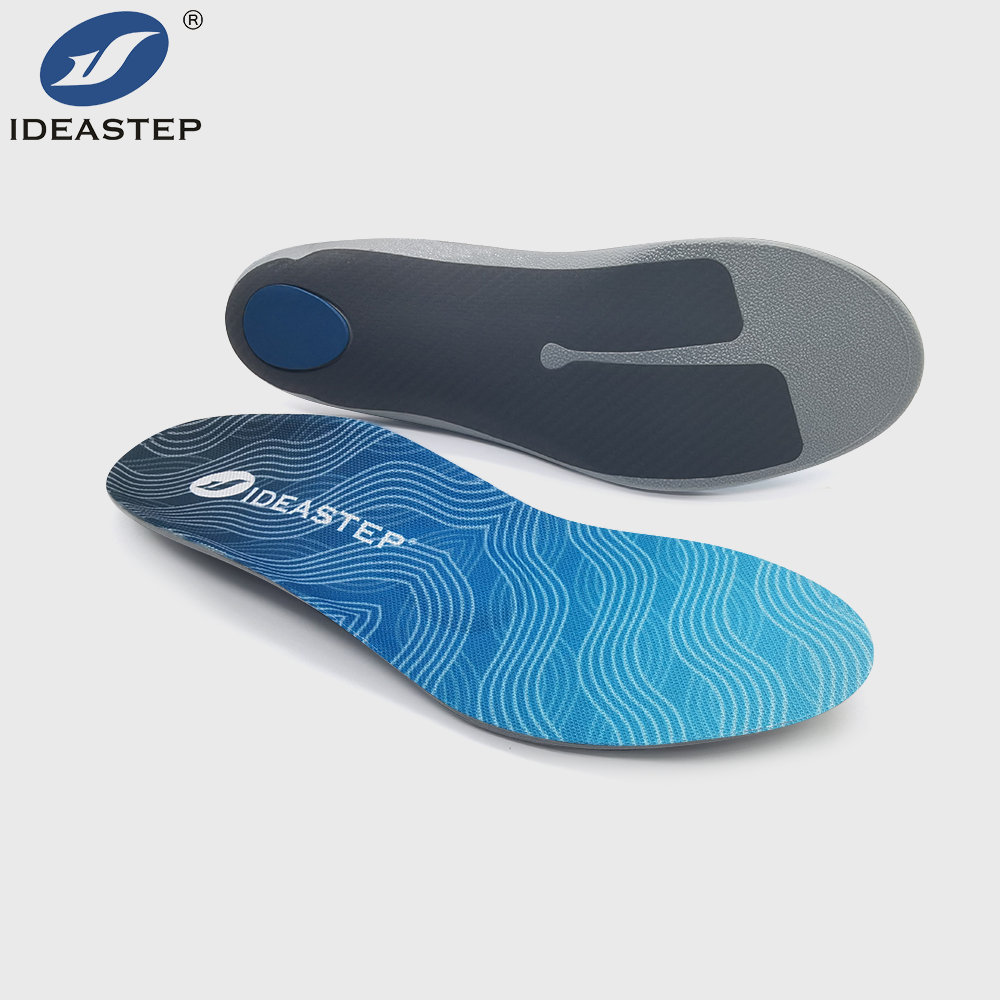
Ideastep supplies insoles and EVA materials for different footwear and support applications. Buyers can discuss standard or project-specific requirements, including materials, dimensions, support structures, and packaging.
Frequently Asked Questions
Can medical arch support insoles be customized?
Yes. Depending on the project, specifications can include arch profile, material, hardness, thickness, size range, top cover, logo, and packaging.
What materials are commonly used?
EVA foam, PU foam, PP, TPU, and fabric or microfiber are common options. The selection depends on the required structure, cushioning, and application.
What is the difference between OEM and ODM?
OEM production follows buyer-provided specifications. ODM involves developing or adapting a design in collaboration with the manufacturer.
Why is sample approval important?
Sample approval allows buyers to check dimensions, materials, construction, and footwear compatibility before bulk production.
What information is needed for a quotation?
Useful details include the target application, size range, material preferences, design references, estimated quantity, and packaging requirements.
Conclusion
Medical arch support insoles require a suitable combination of arch geometry, materials, cushioning, and footwear fit. For wholesale buyers, defining specifications early, approving samples, and confirming quality requirements before production helps reduce uncertainty and maintain product consistency.
Related Post:
XD-111 Orthotic Arch Support Insoles for Wholesale Footwear Programs
High arch support Insoles Solutions for Custom Orthotic Support and Footwear Applications