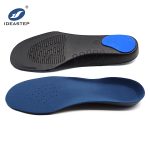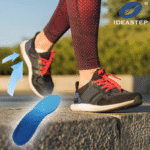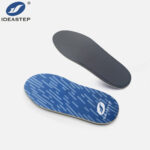
Minimum order quantity is one of the most practical concerns for footwear brands, podiatry clinics, and wholesale distributors looking to source custom orthotic insoles. Many new and established buyers hesitate to launch custom insole lines simply because they are unsure about order thresholds, startup costs, and production flexibility. Unlike generic ready-made insoles, custom orthotic insoles involve personalized adjustments, material matching, and tailored processing, so MOQ standards vary greatly depending on your customization needs. Understanding how MOQ works helps you arrange trial orders, control inventory risk, and select the most suitable manufacturing solution for your business.
Core Factors That Affect Custom Orthotic Insole MOQ
There is no fixed universal MOQ for custom orthotic insoles. Suppliers adjust order requirements mainly based on the complexity of customization, material selection, and production setup costs. The more personalized your solution is, the more preparation work the factory needs, which naturally raises the minimum order standard.
Level of Customization
Simple modifications come with very low MOQ barriers. If you only need basic customizations such as brand logo printing, standard size marking, or minor thickness adjustment, most manufacturers support small-batch orders. In contrast, fully customized orthotic insoles with exclusive arch curves, personalized heel cup depth, multi-layer structural design, or exclusive shaping molds require dedicated tooling and production setup, which calls for a higher minimum order quantity to cover manufacturing costs.
Raw Material Selection
Material choice also plays a key role in determining MOQ. Common and in-stock materials including standard EVA foam and regular memory foam support flexible small-batch production. However, functional upgraded materials such as high-density orthotic foam, antibacterial top fabric, and specialized shock-absorbing substrates usually require bulk raw material procurement, which increases the MOQ for custom orders.
Difference Between OEM and ODM Cooperation
ODM customization uses the factory’s existing mature molds and finished structures, so the MOQ is friendly for small-scale buyers and new product trials. For full OEM development, where you create brand-new exclusive orthotic structures, unique contours, and private design frameworks from scratch, the factory needs to develop new molds and production processes. This type of tailored project always requires a higher MOQ to ensure stable mass production output.
Realistic MOQ Ranges for Custom Orthotic Insoles
The following MOQ ranges reflect real wholesale production standards, helping B2B buyers quickly position their order plans:
Basic custom orthotic insoles with logo printing and size adjustment usually start with a low MOQ, ideal for clinic retail and new brand trial sales. Custom structured orthotic insoles with adjusted arch support, hardness and ergonomic improvements adopt a medium MOQ range, suitable for updated footwear product lines. Fully exclusive OEM orthotic insoles with full structural customization and private mold development apply to large-batch wholesale and mature brand mass sales.
Most manufacturers also provide paid sample orders, allowing you to test insole fit, material texture and overall quality before placing bulk orders, which effectively avoids inventory waste and product mismatch risks.
Practical Tips to Lower and Negotiate MOQ
Many long-term cooperative manufacturers support flexible MOQ adjustments based on business intentions. If you have clear long-term ordering plans and stable market demand, you can negotiate lower initial order quantities for new product trials. Another practical method is to combine multiple customized styles in one production batch, which optimizes production efficiency and reduces the minimum order threshold for a single style.
Choose the Right MOQ Solution Based on Your Business
Small-batch low-MOQ custom orthotic insoles are perfect for podiatry clinics, new footwear brands, and seasonal limited product lines, allowing you to launch personalized products with low risk. Large-MOQ bulk orders enjoy more favorable unit prices and stable batch consistency, which is more suitable for large distributors and mature retail brands with continuous market demand.
When confirming MOQ, be sure to check supporting terms including sample lead time, batch quality inspection standards, and after-sales service policies, so your custom insole project can proceed more smoothly.
Get Flexible MOQ Custom Orthotic Insole Solutions
If you are looking for a reliable manufacturer with flexible MOQ for custom orthotic insoles, we support both small-batch trial customization and large-scale OEM mass production. We provide tailored solutions for footwear brands, orthotic clinics and global wholesale partners. Contact our team to get accurate MOQ requirements, material options and competitive wholesale pricing.
Related Articles: How to Order Custom Orthotic Insoles for Wholesale.