As demand for foot health, comfort, and functional footwear continues to grow, medical arch support insoles have become an important product category for footwear brands, healthcare suppliers, and insole distributors.
For B2B buyers, developing a successful arch support insole requires more than adding extra support under the foot. A professional custom insole solution must balance:
-
- Foot support and stability
- Comfort during long-term wear
- Material performance
- Footwear compatibility
- Manufacturing consistency
An experienced OEM insole manufacturer should provide not only production capability but also professional support in product design, material selection, prototype development, and quality control.
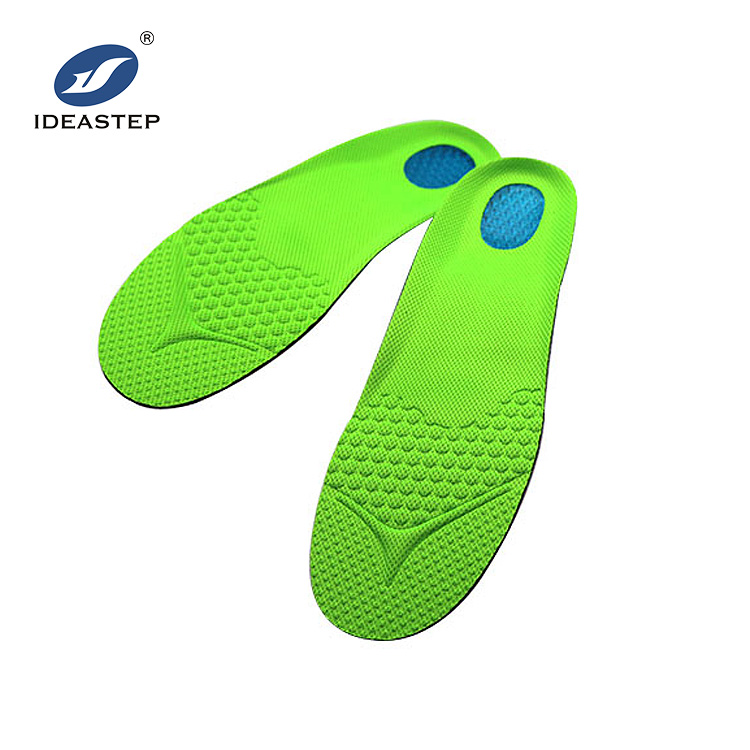
What Are Medical Arch Support Insoles?
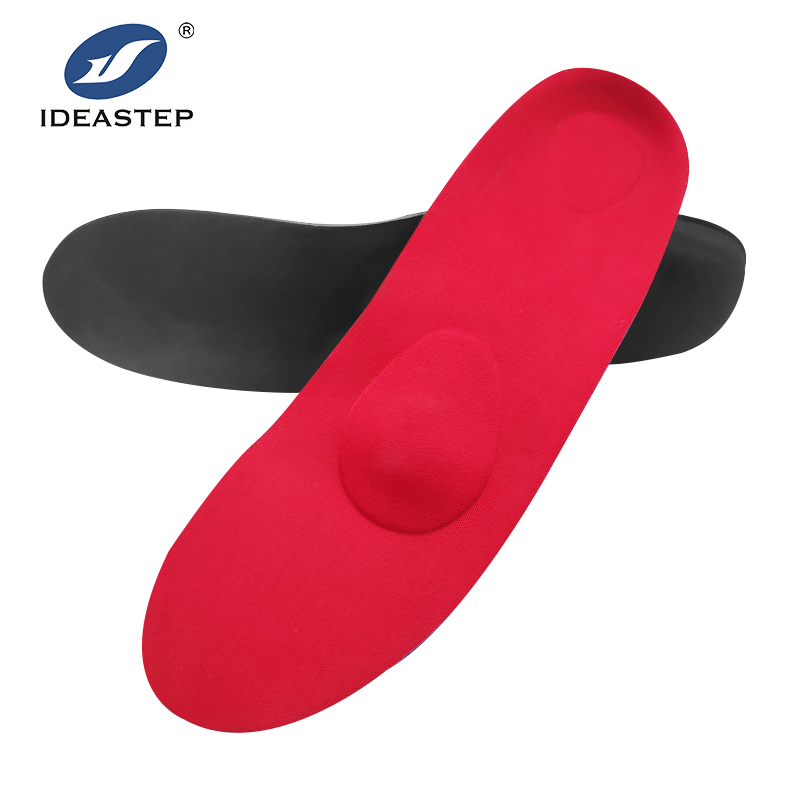
Medical arch support insoles are functional insoles designed to improve foot support, cushioning, and stability through specific structural designs.
A typical custom arch support insole includes:
- Arch support area – Provides targeted support under the arch.
- Heel cup structure – Helps improve heel positioning and stability.
- Cushioning layer – Enhances comfort and shock absorption.
- Base support layer – Maintains overall structure.
- Top cover material – Improves surface comfort and durability.
For custom development, arch support should not simply focus on height. Proper design requires consideration of arch position, support area, material hardness, overall thickness, and target footwear application.
Key Design Considerations for Medical Arch Support Insoles
1. Arch Profile Design
The arch structure is one of the most important elements in custom insole development.
Different users may have different foot structures, including:
- Low arch
- Normal arch
- High arch
Arch Height and Position
The correct arch height helps provide effective support while maintaining comfort.
If the support is too low, users may not feel enough support. If the support is too high, pressure concentration and discomfort may occur.
Besides height, the position of the arch support is also critical. A well-designed arch area should match natural foot structure and provide smooth pressure distribution.
2. Heel Cup and Rearfoot Stability Design
A professional arch support insole should consider both arch support and heel stability.
The heel cup helps improve:
- Foot positioning
- Insole stability
- Overall wearing comfort
Different footwear requires different heel designs:
| Footwear Type | Design Focus |
|---|---|
| Sports shoes | Lightweight support and cushioning |
| Work shoes | Stability and durability |
| Dress shoes | Slim profile |
| Medical footwear | Structured support |
Material Selection for Custom Medical Insoles
Material selection directly affects support performance, comfort, durability, and production cost.
EVA Foam
EVA is widely used in custom insoles because of its lightweight structure, adjustable hardness, easy processing, and cost efficiency.
It is commonly used for cushioning layers and base support structures.
PU Foam
Polyurethane (PU) foam provides stable cushioning, good rebound performance, and comfortable long-term wear.
It is often used in comfort-focused and functional insoles.
TPU Support Structure
TPU is commonly used when stronger structural support is required.
Benefits include:
- High stability
- Good shape retention
- Flexible design options
A multi-material construction, such as EVA + PU + TPU, can help manufacturers achieve a better balance between comfort and support.
Cushioning and Comfort Optimization
Support alone is not enough. A successful medical arch support insole must also provide comfort for daily use.
Heel Cushioning
Helps reduce impact during walking and standing.
Forefoot Comfort
Improves pressure distribution under the front foot area.
Overall Balance
The best designs combine appropriate support, cushioning performance, and a natural wearing experience.
Custom Medical Insole Development Process
Step 1: Requirement Analysis
Before development starts, OEM buyers should define:
- Target market
- Product application
- Footwear type
- Support requirements
- Expected order volume
Reference samples, drawings, or product specifications can help manufacturers create more accurate solutions.
Step 2: Product Design and Prototype Development
The typical development process includes:
- Requirement evaluation
- Structural design
- Material selection
- Prototype production
- Sample adjustment
- Final approval
During sample evaluation, key factors include arch position, thickness, shoe compatibility, comfort, and appearance quality.
Step 3: Testing and Specification Approval
Before mass production, manufacturers should establish clear quality standards.
Common inspections include:
- Size accuracy
- Material hardness
- Compression performance
- Bonding strength
- Surface quality
A confirmed production sample should be used as the reference standard for future orders.
Step 4: Mass Production and Quality Control
For wholesale buyers, production consistency is essential.
A reliable OEM manufacturer should control:
- Raw material quality
- Production process
- Finished product inspection
- Packaging standards
How to Choose a Reliable Medical Insole Manufacturer
1. Product Development Capability
A professional manufacturer should support:
- Product structure optimization
- Material recommendations
- Prototype improvement
- Custom solutions
2. Manufacturing Experience
Evaluate whether the supplier has experience with:
- Custom orthotic insoles
- Different material combinations
- Large-volume production
- International wholesale orders
3. Customization Options
A complete OEM service may include:
- Custom structure
- Material selection
- Private labeling
- Packaging design
- Size customization
Common Challenges in Custom Insole Development
Excessive Arch Support
More support does not always mean better performance.
Overly high arch structures may cause:
- Pressure concentration
- Reduced comfort
- Poor user experience
Solutions include adjusting arch height, optimizing support area, and selecting suitable materials.
Poor Footwear Compatibility
A well-designed insole must also fit the target footwear.
Common problems include:
- Excessive thickness
- Limited shoe space
- Incorrect heel height
Professional development should always consider:
Insole design + Footwear compatibility
Production Consistency Issues
For B2B customers, maintaining quality between batches is critical.
Manufacturers should use:
- Standard production specifications
- Quality inspection procedures
- Approved reference samples
Why Custom Medical Arch Support Insoles Are a Growing Market Opportunity
The demand for functional footwear solutions continues to increase as consumers focus more on comfort and foot health.
For footwear brands and distributors, custom arch support insoles can provide:
Product Differentiation
Functional insoles help brands create unique products beyond standard footwear accessories.
Expanded Product Categories
Custom insoles are suitable for:
- Comfort footwear
- Work shoes
- Sports footwear
- Wellness products
Higher Brand Value
OEM customization allows brands to develop exclusive designs, private label products, and market-specific solutions.
FAQ About Custom Medical Arch Support Insoles
Can medical arch support insoles be customized?
Yes. Customization options may include arch structure, materials, thickness, top cover, logo, and packaging.
What information should buyers provide?
Buyers should provide product application, target footwear, market positioning, reference samples, and order quantity.
What materials are commonly used?
Common materials include EVA, PU foam, TPU, memory foam, and mesh fabric.
How long does custom insole development take?
Development time depends on product complexity, mold requirements, sample revisions, and production planning.
Conclusion: Developing Better Medical Arch Support Insoles Through OEM Expertise
Successful medical arch support insole development requires a combination of proper arch design, heel stability, material engineering, cushioning performance, footwear compatibility, and manufacturing control.
For brands, distributors, and healthcare suppliers, working with an experienced OEM insole manufacturer can reduce development risks and improve product consistency.
With professional design support and reliable production capability, businesses can create custom medical arch support insoles that meet market needs and build long-term customer value.
Explore More:
Custom Arch Supports for Wholesale Buyers and Foot Care Brands
Ideastep orthotic shoe soles factory for Shoemaker