Custom foot orthotics require coordinated decisions on structure, materials, dimensions, and manufacturing methods. For wholesalers, footwear brands, and OEM buyers, the main challenge is developing an insole that meets the product specification while remaining commercially viable for bulk production.
Customization may involve arch geometry, heel cup dimensions, material firmness, cushioning layers, and top-cover construction. These specifications affect not only the finished product but also tooling requirements, unit cost, sampling time, and production consistency.
For bulk orders, buyers should evaluate the design and manufacturing requirements together before approving a sample or placing a production order.
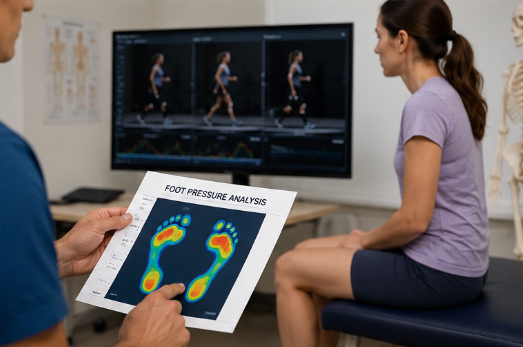
What Are Custom Foot Orthotics for Pressure Management?
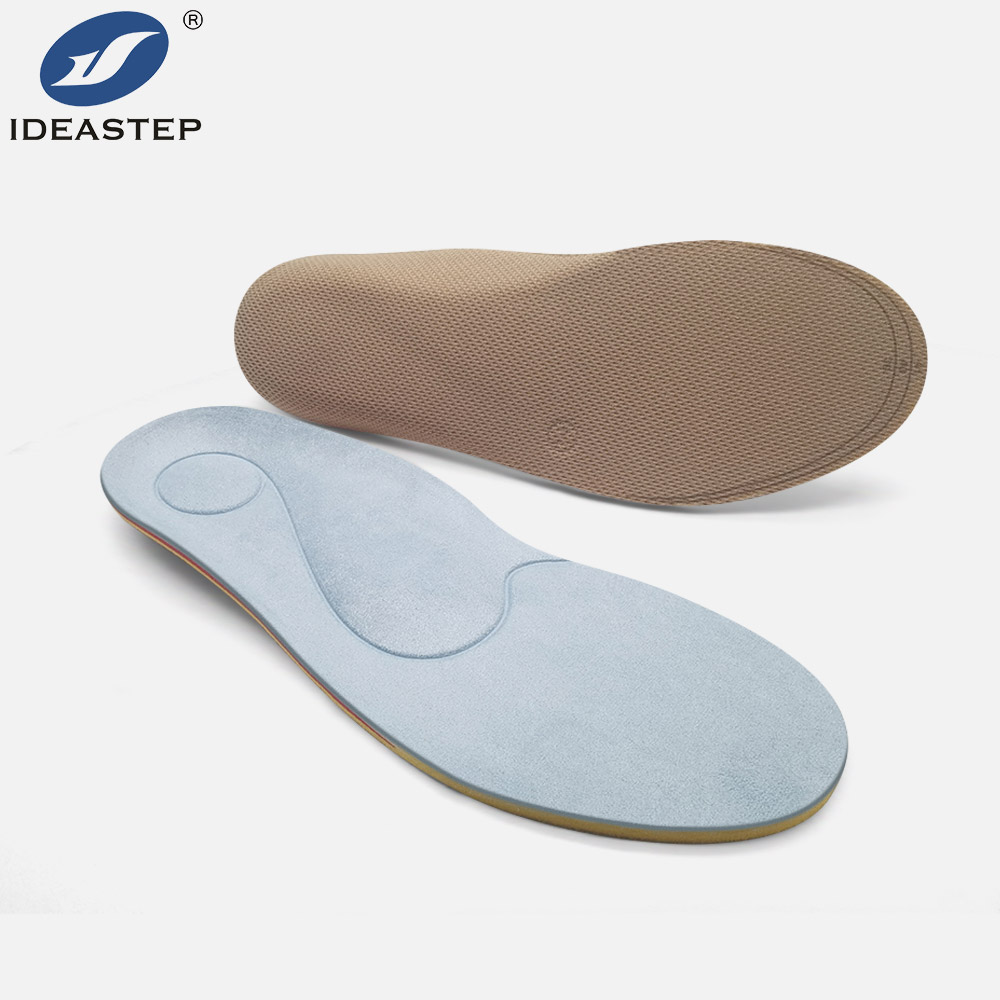
Custom foot orthotics are designed to meet specific requirements for foot support, fit, and pressure distribution. Depending on the application, the construction may include a contoured arch, a shaped heel cup, cushioning materials, or additional structural components.
For B2B projects, customization starts with a defined product specification. The manufacturer needs to understand the intended footwear, available internal space, required dimensions, material preferences, and production quantity before proposing a suitable construction.
Custom Orthotics vs. Standard Insoles
Standard insoles generally use established shapes, sizes, and material combinations. They are suitable for product lines that can work with existing specifications.
Custom orthotics allow buyers to modify individual design elements, including:
- Arch height, contour, and firmness
- Heel cup depth and width
- Forefoot thickness and profile
- Material density and layer construction
- Top-cover material, color, and finish
- Dimensions for specific footwear models
These changes may require additional sampling, tooling, or production adjustments. Buyers should therefore distinguish between modifying an existing design and developing a new construction from the beginning.
How Insole Design Affects Pressure Distribution
Pressure distribution depends on several variables, including foot geometry, loading conditions, footwear fit, and insole construction. Arch contours, heel cup geometry, and material compression characteristics can influence the contact between the foot and the insole.
For product development, these variables should be considered as part of the complete design rather than evaluated independently. Changing the arch profile, for example, may also affect overall thickness, internal shoe space, and material requirements.
Where a project includes specific pressure-management performance claims, buyers should establish the relevant evaluation method and supporting test requirements before production.
Key Design Factors in Custom Foot Orthotics
A custom orthotic specification should define the structural features that affect fit, material use, and manufacturing feasibility. The following factors are particularly relevant when developing products for bulk supply.
Arch Profile and Support Structure
Arch height, contour, length, and firmness determine the geometry of the support section. These parameters should correspond with the intended footwear and the available space inside the shoe.
A design for a work boot may have different structural requirements from one intended for a low-profile casual shoe. The heel height, footbed shape, and internal dimensions all influence the final configuration.
Buyers should provide a reference sample, technical drawing, or dimensional specification wherever possible. These references help the manufacturer assess the proposed design and identify potential constraints before sampling.
Heel Cup and Forefoot Configuration
The heel cup’s depth, width, and rigidity affect the shape of the rearfoot section and its compatibility with the shoe. Its dimensions should be reviewed alongside the arch profile and total insole thickness.
Forefoot geometry also requires attention. Excessive thickness can reduce available shoe volume, while unsuitable dimensions may create fitting issues during product evaluation.
Changes to one section can affect the rest of the construction. Manufacturers should therefore review the heel, arch, and forefoot as a connected design rather than separate components.
Material Density, Firmness, and Cushioning
Material selection affects weight, flexibility, compression behavior, durability, processing requirements, and cost. The appropriate choice depends on the specified construction and intended application.
Common options include:
- EVA foam: Available in different densities and firmness levels. It is widely used in insole construction where weight, shaping, and material flexibility are important considerations.
- PU foam: Used in cushioning applications, with properties that vary according to formulation, density, and manufacturing method.
- TPU components: Used in selected designs that incorporate additional structural elements.
- Top-cover materials: Fabrics, mesh, microfiber, and other surface materials provide different finishes and wear characteristics.
Material names alone are not sufficient for comparing quotations. Buyers should confirm relevant specifications, such as density, hardness, thickness, and construction method, with the manufacturer.
Material combinations also affect processing and assembly. A multi-layer design may require additional production steps compared with a simpler foam construction, influencing both unit cost and lead time.
Top Cover and Surface Construction
Top-cover selection depends on the required appearance, surface characteristics, color, and product positioning. Buyers may also need consistent materials and finishes across several sizes or product models.
For multi-layer insoles, the top cover should be evaluated as part of the complete construction. Material compatibility, bonding requirements, and surface finish can affect the finished product and its production consistency.
Branding requirements should be confirmed during development. Logo placement, color references, labels, and packaging specifications may introduce additional production requirements.
Material Options for Bulk Custom Orthotics
Material selection should be based on the required product specification rather than a general preference for one material. For wholesale projects, the goal is to establish a suitable construction that meets the design requirements and target cost.
EVA Foam for Insole Construction
EVA foam is available in a range of densities and firmness levels, making it suitable for different insole structures. The selected grade should correspond with the required thickness, geometry, and material characteristics.
When requesting a quotation, buyers should specify the required EVA grade or relevant performance parameters where available. Two EVA materials may differ in density, firmness, compression behavior, and processing suitability.
PU Foam for Cushioning Applications
PU foam can be used in cushioning-oriented insole constructions. Its properties vary by formulation and manufacturing process, so the specific material should be confirmed before production.
When comparing EVA and PU options, buyers should assess the finished construction, material specifications, and total cost. Neither material is automatically the better choice for every application.
TPU and Other Structural Components
TPU and other structural components may be incorporated into designs that require specific geometry or additional structural support.
Buyers should confirm the component’s dimensions, position, and relationship to the surrounding materials. They should also establish whether the proposed construction requires dedicated tooling or additional assembly steps.
Material Selection and Unit Cost
Material cost is only one part of the total production cost. The number of components, material usage, tooling, processing, assembly, packaging, and order quantity can all affect the quotation.
Before comparing suppliers, buyers should confirm:
- Material types and specifications
- Construction and number of layers
- Tooling or development costs, where applicable
- Sampling and revision costs
- Order quantity and packaging requirements
- Pricing conditions for repeat orders
A clearly defined specification makes supplier quotations easier to compare and reduces uncertainty during order confirmation.
Custom Foot Orthotics Development for Bulk Orders
A documented development process helps buyers and manufacturers confirm technical requirements before mass production.
1. Confirm the Product Specification
The initial brief should include as much relevant information as possible:
- Intended footwear category and application
- Size range and insole dimensions
- Arch profile and heel cup requirements
- Material types, firmness, and thickness
- Top-cover material, color, and branding
- Estimated order quantity and target unit cost
- Packaging and labeling requirements
An existing sample or technical drawing can clarify the design. If certain details remain open, both parties should identify them before the quotation and sampling stages proceed.
2. Develop and Review Samples
Sampling allows the buyer to evaluate the proposed construction against the agreed requirements.
The review should cover dimensions, material selection, arch geometry, heel cup shape, surface finish, and compatibility with the intended footwear. Where applicable, the buyer should also define the testing required to substantiate specific performance claims.
Feedback should identify the exact changes required. Clear dimensional or material instructions are more useful than general requests to alter the product.
If revisions are necessary, the manufacturer should produce an updated sample or specification for approval before mass production.
3. Approve the Final Specification
Before production begins, both parties should confirm the final version of the product. The approved specification may include:
- Reference sample and technical drawing
- Material types and agreed specifications
- Dimensions and acceptable tolerances
- Color and surface-finish requirements
- Logo placement and packaging details
- Inspection criteria and labeling information
The approved sample and written specification should serve as the production reference. Any later change to the design, materials, or dimensions should be documented and confirmed by both parties.
4. Maintain Batch Consistency
For wholesale and OEM programs, production must follow the approved specification across the order and subsequent batches.
Inspection requirements should be agreed upon before production. Depending on the product, checks may cover dimensions, appearance, material consistency, component placement, bonding, and workmanship.
Maintaining records of approved samples and specification revisions helps buyers and manufacturers identify the correct product version and investigate discrepancies between orders.
What Wholesale Buyers Should Confirm Before Ordering
Commercial terms should be reviewed alongside technical requirements. Clear agreements on MOQ, pricing, lead time, and quality standards help prevent avoidable problems during procurement.
Minimum Order Quantity and Pricing
MOQ depends on the design, materials, tooling requirements, processing methods, size range, and packaging configuration. An existing design may have different production requirements from a new construction with customized components.
When reviewing a quotation, buyers should confirm whether sampling, tooling, logo application, labels, and packaging are included. They should also check whether the unit price changes at different order quantities.
A quotation based on a clear specification provides a more reliable basis for supplier comparison.
Sampling and Production Lead Time
Sampling and mass production involve separate timelines. The development stage may include specification review, sample manufacturing, revisions, and final approval.
The production schedule may also depend on material availability, order quantity, tooling, and packaging requirements. Buyers should confirm the estimated timeline for each stage and establish when the production lead time begins.
Any changes after sample approval should be reviewed for their impact on cost and delivery.
Quality Requirements and Repeat Orders
Quality requirements should define the characteristics that matter for the specific product. These may include dimensions, firmness, color, surface finish, bonding, and component placement.
The buyer and manufacturer should agree on inspection methods and acceptance criteria before production. For repeat orders, the approved sample and specification should remain available as reference documents.
If a product specification changes, the revision should be recorded to avoid mixing different versions across production batches.
OEM and Private Label Requirements
OEM and private label projects may include customized dimensions, colors, logos, labels, and packaging, depending on the supplier’s capabilities.
Buyers should provide artwork, color references, packaging dimensions, and other relevant files during the development stage. They should also confirm additional charges, production requirements, and any MOQ associated with customized branding or packaging.
How to Choose a Custom Orthotics Manufacturer
Supplier evaluation should focus on technical communication, production controls, and the ability to follow an agreed specification.
Key points to verify include:
- Customization scope: Can the supplier assess reference samples, technical drawings, and dimensional requirements?
- Material options: Can the supplier explain the available materials and their suitability for the proposed construction?
- Sampling process: Are sample revisions and final approvals clearly documented?
- Specification management: Are materials, dimensions, colors, and design changes recorded?
- Production planning: Can the supplier clarify MOQ, tooling requirements, lead time, and packaging options?
- Quality control: Can the supplier explain how the finished product will be checked against the agreed specification?
- Communication: Are technical responsibilities, quotation details, and approval procedures clearly defined?
These checks give wholesale buyers a practical basis for assessing whether a manufacturer can support the requirements of an ongoing product program.
Frequently Asked Questions About Custom Foot Orthotics
Can Custom Foot Orthotics Be Developed from an Existing Sample?
Yes. An existing insole can serve as a reference for dimensions, geometry, materials, and construction. Buyers should identify which features must remain unchanged and which require modification. The manufacturer can then assess the design changes and sampling requirements.
What Information Is Needed for a Bulk Custom Orthotics Quote?
Provide the footwear category, size range, dimensions, arch and heel requirements, material preferences, branding details, packaging requirements, and estimated order quantity. A sample or technical drawing can help clarify the specification.
Any unresolved requirements should be identified before the final quotation and production approval.
What Affects the Cost of Custom Orthotic Insoles?
The main factors include material selection, design complexity, tooling, processing steps, order quantity, and packaging. Sampling revisions and customized branding may also affect the total cost.
Buyers should confirm which costs are included in the quotation and whether the pricing applies to a specific order quantity.
Can Custom Foot Orthotics Be Supplied under a Private Label?
Depending on the manufacturer’s capabilities, private label options may include logos, custom colors, labels, and packaging. Buyers should confirm available options, artwork requirements, related costs, and minimum quantities before approving the order.
Bulk Custom Foot Orthotics for OEM and Wholesale Programs
Bulk custom orthotics projects begin with a clear product specification. Footwear type, dimensions, material requirements, target quantity, and branding details provide the information needed to assess the proposed construction and production requirements.
Ideastep works with businesses sourcing insoles for wholesale and custom development projects. Buyers preparing an OEM or bulk order can provide reference samples, technical drawings, material preferences, estimated quantities, and target costs for an initial project review.
Confirming the specification and sample before mass production gives both parties a clear reference for manufacturing, inspection, and repeat orders.
Related Articles:
Custom Foot Orthotics Wholesale OEM ODM For Podiatry Clinics
Wholesale shoes for custom orthotics suppliers for Foot shape correction