Lateral wedge insoles feature a sloped profile that is thicker on the lateral side than the medial side. For orthotic insole brands, footwear manufacturers, and OEM buyers, product design depends on wedge geometry, material properties, construction methods, and dimensional accuracy.
Understanding these factors helps manufacturers develop products that meet defined specifications and maintain consistency during bulk production.
What Are Lateral Wedge Insoles?
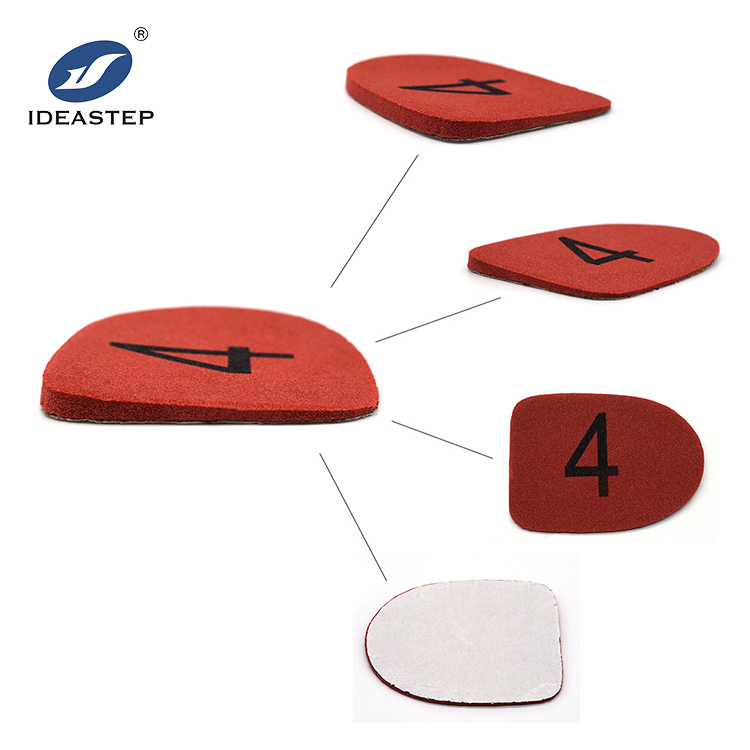
Lateral wedge insoles use a transverse slope to create a height difference between the lateral and medial sides. Depending on the design, the wedge may extend through the heel, forefoot, or a larger section of the insole.
Lateral Wedges vs. Medial Wedges
A lateral wedge is thicker on the outside of the foot, while a medial wedge is thicker on the inside. The direction, coverage, and dimensions must be clearly defined in technical drawings to avoid production errors.
Applications in Orthotic and Footwear Products
Lateral wedge insoles are used in selected orthotic and footwear applications involving lower-limb biomechanics. Research has examined their relationship with knee joint loading, but outcomes vary by application and individual factors. A specific wedge angle should not be treated as a universal clinical solution.
How Wedge Angle Influences Insole Design
Wedge angle, height difference, horizontal width, and base thickness work together to determine the finished profile.
Understanding Wedge Geometry
For a simple straight wedge, the angle can be calculated as follows:
Wedge angle = arctan (height difference / horizontal width)
The same height difference can produce different angles when the width changes. Technical drawings should therefore define the reference plane, measurement locations, and critical dimensions.
Selecting and Specifying the Wedge Angle
Angle selection depends on the intended application, footwear space, overall thickness, and design requirements. A steeper wedge may affect edge height and internal shoe space, so the complete profile should be reviewed before sampling.
OEM specifications should include wedge angle, medial and lateral thickness, coverage, overall dimensions, and acceptable tolerances. Critical dimensions must be measurable and suitable for the selected manufacturing process.
How Material Selection Shapes Lateral Wedge Insoles
Material selection affects the structure, compression behavior, dimensional stability, and processing requirements of lateral wedge insoles. The appropriate material depends on the design and required physical properties.
EVA Foam, PU Foam, and Other Materials
EVA foam is commonly used in insole manufacturing and is available in different density and hardness grades. PU foam provides another option, with properties that vary by formulation. Textile and microfiber materials may also be used for top covers.
Buyers should specify material grades and relevant properties rather than relying on general material names. Density, hardness, thickness, and compression behavior should be assessed using appropriate test methods.
Matching Materials to Product Requirements
Material selection should consider profile thickness, weight, bonding compatibility, surface finish, cost, and manufacturing method. For multilayer designs, the combined thickness and compatibility of each layer must be checked to maintain the required dimensions.
Wedge Construction and Manufacturing Methods
Lateral wedge insoles can use integrated or bonded constructions. Integrated designs form the wedge within one component, while bonded designs combine separate layers or materials. The choice depends on product geometry, material properties, tooling, and production volume.
Cutting, Molding, and CNC Processing
Cutting, molding, and CNC processing may suit different designs. Manufacturers should evaluate dimensional accuracy, surface finish, tooling requirements, material waste, and repeatability before selecting a process.
Maintaining Consistency in Bulk Production
Consistent production requires approved drawings, defined tolerances, material identification, and repeatable inspection methods. Changes to materials or processes should be reviewed before implementation if they could affect critical dimensions or product quality.
Quality Control for Lateral Wedge Insoles
Quality control should focus on wedge geometry, overall dimensions, material properties, bonding, and surface finish.
Dimensional and Material Inspection
Depending on the specification, inspection may include wedge angle, thickness, length, width, profile, material hardness, and bonding quality. Measurement locations and acceptance limits should be agreed upon before production.
Sample Approval and Repeat Orders
Before mass production, confirm the approved sample, technical drawing, material specifications, and inspection criteria. Document subsequent changes to maintain a consistent reference across repeat orders.
How to Source a Lateral Wedge Insole Manufacturer
OEM buyers should evaluate a manufacturer’s customization capabilities, production capacity, quality controls, and ability to maintain approved specifications.
Customization, MOQ, and Lead Time
Confirm whether the manufacturer can adjust wedge geometry, dimensions, materials, top covers, and branding. MOQ, tooling costs, and lead time depend on material purchasing requirements, product construction, SKU count, and order quantity.
Information Required for an OEM Quotation
Prepare the following information before requesting a quotation:
- Reference sample or technical drawing.
- Wedge angle, direction, coverage, and dimensions.
- Material grade, thickness, and required physical properties.
- Size range and product variations.
- Estimated order quantity and packaging requirements.
- Inspection criteria and delivery schedule.
A complete specification helps manufacturers assess feasibility, estimate costs, and reduce unnecessary changes during sampling.
Frequently Asked Questions About Lateral Wedge Insoles
What Is the Purpose of a Lateral Wedge Insole?
A lateral wedge changes the geometry of the foot-support interface and has been studied in relation to lower-limb biomechanics. Its effects depend on the design and intended application.
Which Materials Are Suitable for Lateral Wedge Insoles?
EVA foam, PU foam, and compatible cover materials may be used. Selection depends on the required physical properties, construction, and manufacturing process.
Can Lateral Wedge Insoles Be Customized for OEM Orders?
Customization may include wedge geometry, dimensions, materials, top covers, logos, and packaging, subject to the manufacturer’s capabilities.
What Affects MOQ and Production Cost?
MOQ and cost may depend on material quantities, tooling, construction, SKU count, size range, and packaging. A project-specific quotation should use the agreed specifications.
Develop Custom Lateral Wedge Insoles with Ideastep
Successful OEM development requires clearly defined wedge geometry, suitable materials, a feasible manufacturing process, and consistent quality control.
Contact Ideastep with your reference sample or technical drawing, material requirements, size range, and estimated order quantity to discuss custom lateral wedge insoles and bulk manufacturing.
Related Post: Lateral Wedge Insoles in 3°, 4° and 5° for Orthotic Applications.