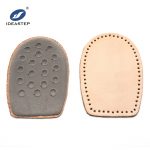
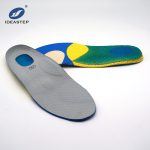
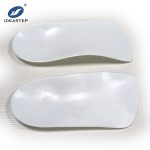
Large‑volume custom arch‑support projects often suffer from inconsistent performance, misaligned specifications and wasted development budget, even for established footwear brands. Drawing on real‑world factory experience delivering OEM and ODM bulk orders for global partners, this article covers practical, actionable sourcing advice for high‑volume arch‑support component procurement.
Core Sourcing Pain Points for Bulk Custom Arch Supports
- Performance variance: Arch height and substrate hardness shift across batches, creating inconsistent outcomes for finished footwear.
- Poor format selection: Lack of clarity between full‑length and 3‑quarter layouts results in poor fit within target shoe cavities.
- MOQ‑cost trade‑offs: New dedicated tooling demands high minimum order quantities, while adjusted off‑the‑shelf patterns may compromise arch performance.
- Inefficient sampling cycles: Verbal descriptions of firmness replace measurable specs, delaying product launch timelines.
- Durability failures: Decisions based purely on prototype feel overlook material fatigue; supports deform quickly in real‑world use and trigger downstream complaints.
Critical Performance Specifications for Bulk Custom Arch Supports
Lock in these measurable parameters before starting manufacturer sampling.
- Arch geometry: peak height and load‑bearing zone positioning, defined for low, moderate and high‑arch profiles.
- Substrate properties: material hardness grade and compression‑set thresholds to resist long‑term deformation.
- Layout configuration: full‑length or 3‑quarter profiles; consistent size‑grading rules to retain arch performance across all sizes.
- Structural details: heel cup containment and metatarsal zone treatment aligned with footwear design constraints.
- Top‑cover requirements: abrasion resistance, grip and breathability matched to athletic, casual, work or outdoor use‑cases.
Bulk Project Options: New OEM Build vs Modified ODM Patterns
- Fully custom OEM development: Submit complete performance requirements for dedicated moulds or CNC machining. Best for flagship lines pursuing exclusive product differentiation. Confirm tooling cost, ownership, MOQ and lead‑times upfront.
- ODM pattern adaptation: Deploy field‑proven arch‑support base structures, modifying only fabric, hardness or branding. Delivers lower entry MOQs and faster lead‑times for mass‑market or iterative product ranges.
- Bulk unfinished blanks: Raw arch‑support substrates for in‑house grinding and trimming. Suited for distributors serving clinics and orthotic practitioners.
Arch‑Support Specification Guidance by Footwear Line
- Performance athletic footwear: moderate‑to‑high arch support, lightweight build, strict compression‑set control; 3‑quarter profiles preferred for compact shoe cavities.
- Everyday casual footwear: flexible moderate support balancing comfort and cost efficiency.
- Work and outdoor footwear: rigid reinforced arch geometry, robust heel cup and high fatigue‑resistant substrates.
- Value‑focused mass‑market lines: use adjusted ODM base patterns to avoid heavy new‑tooling investment.
Commercial and Supply‑Chain Terms for Large‑Volume Orders
- Tiered MOQ structure: separate minimum volumes for full custom tooling, pattern modification and sampling, with clear sampling‑fee policies.
- Lead‑time planning: allocate distinct timelines for sampling, pilot production and mass manufacturing; build buffers for quality review.
- Quotation scope: clarify items included in base pricing and cost triggers for substrate or geometry changes.
- Tooling agreements: formalise tooling expenses, rebate terms and IP ownership.
Mass‑Production QC Requirements for Bulk Arch‑Support Deliveries
- Locked golden sample: finalised arch height, hardness and geometry act as the official inspection baseline.
- Defined batch tolerances: pre‑agreed acceptable deviation ranges for arch height and substrate hardness.
- Cross‑batch consistency: mandatory performance checks across separate production runs.
- Export compliance: REACH and restricted‑substance documentation, with clear testing‑responsibility allocation.
Common Sourcing Mistakes and Mitigation
- Relying on subjective tactile feedback instead of documented technical specs, making consistent mass‑production replication unachievable.
- Specifying over‑elevated arch profiles without considering shoe‑cavity limits, resulting in assembly issues.
- Skipping compression‑set validation: prototypes feel comfortable yet lose supportive function under real‑world load.
- Skipping pilot production and launching straight to full‑scale manufacturing, exposing buyers to full‑order risk.
- Missing pre‑agreed tolerance benchmarks, with no objective standard when bulk output deviates from prototypes.
Practical Implementation for Different B2B Stakeholders
- Large footwear brands: Deploy exclusive OEM builds for flagship collections; use modified ODM patterns for mainstream ranges. Finalise arch‑support specs alongside shoe‑last development.
- Wholesale distributors: Combine finished arch‑support units and grind‑ready blanks within your portfolio. Start with ODM adaptation; invest in custom tooling once market demand is validated.
- Small‑scale brands: Build from proven ODM base structures, restricting customisation to branding, colours and fabrics to minimise upfront risk.
Request Free Samples for Your Bulk Arch‑Support Project
Need to evaluate real‑world performance before committing to large‑volume production? We offer free samples qualified for B2B bulk‑order prospects. Share your order forecast, footwear application and arch‑support performance targets, and our technical team will send matched samples alongside tailored sourcing recommendations for your project.
Recommended Reading:
Custom Arch Supports for OEM Manufacturing and Private Label Brands
Best custom arch supports suppliers for Shoemaker