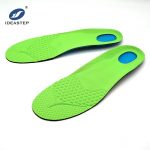
Footwear product development carries substantial upfront costs. Brands looking to cater to varied biomechanical requirements often invest in new lasts and moulds for every variant they launch. This traditional approach extends lead times and locks capital into large, fragmented inventory. Custom made shoe inserts offer a practical workaround, letting product teams build multiple product tiers using the same base shoe shell.
The Bottleneck In Footwear Product Development
Most shoe lines ship with one standard factory insert. To add supportive variants, developers historically design and tool entirely separate shoe styles. Tooling expenses, prototyping cycles and inventory commitments pile up quickly. Demand for targeted foot support continues to grow across work footwear, athletic and casual categories, yet building out a full catalog of distinct shoe models is not always financially feasible.
Custom made shoe inserts remove much of this friction. Brands retain their existing shoe upper, outsole and last. Product differentiation comes from swapping inserts rather than redesigning the whole shoe.
Modular Product Strategy: One Shoe Shell, Multiple Insert Configurations
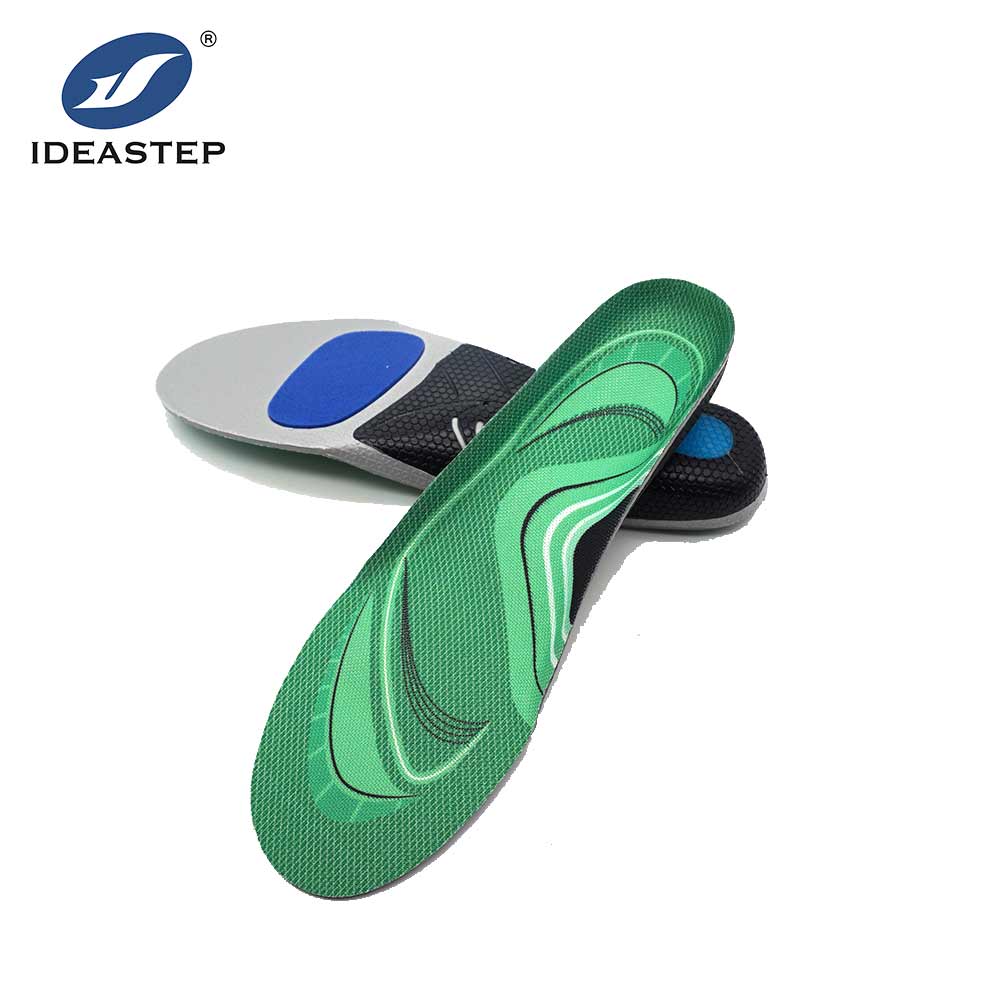
Three categories of inserts work well within this modular framework: prefabricated blanks, semi-custom modified inserts and fully custom fabricated inserts. Each serves a different product tier and fits into the same shoe cavity.
Basic comfort inserts deliver entry-level cushioning for mainstream lines. Biomechanical support inserts integrate structured arch geometry, metatarsal relief zones and deep heel cups for performance and safety footwear. Heavy-duty carbon fiber reinforced inserts serve high-load industrial applications. This setup allows brands to launch premium SKUs without commissioning additional shoe moulds.
Key Selection Criteria For Custom Made Shoe Inserts
When sourcing inserts to broaden your footwear portfolio, evaluate design and material characteristics aligned with your product positioning.
Biomechanical features should match the intended use case. Arch stiffness, metatarsal cutouts and contoured heel cups can be specified during development. Common substrates include EVA, PU foam and carbon fiber composites, each balancing weight, compression resistance and unit cost. Top cover fabrics can be selected for antimicrobial performance, slip resistance or brand aesthetic requirements.
Fit validation against your shoe last is non-negotiable. A well-engineered custom insert sits cleanly inside the shoe cavity without crowding toe space or shifting heel placement. OEM options include precision edge trimming, embossed branding and custom surface materials to match brand identity.
Supply Chain And Mass Production Considerations
Insert prototyping should run alongside shoe development, so fit testing concludes before production locks in. Batch consistency matters greatly. Shifts in foam density or arch height between production runs break uniformity across your SKU family.
Partner with manufacturers offering flexible MOQ structures. This enables staged rollouts: start with small trial batches of premium insert variants, then scale once market feedback confirms demand. Packaging choices also support your go-to-market strategy, whether inserts ship pre-installed inside footwear or as separate bundled accessories.
Regional Compliance And Risk Mitigation For EU And North American Markets
Material compliance forms the foundation for cross-border shipments. All foam and fabric components must meet REACH and RoHS requirements to avoid customs detention. Brands need clear guardrails around labeling and marketing language. It is critical to frame these as comfort accessories rather than medical orthotics unless your product and documentation fully satisfy relevant medical device regulations.
Reliable manufacturers provide batch-specific test documentation to support retail audits and import compliance checks.
Commercial Upsides Of Expanding Your Catalog With Custom Inserts
This modular strategy delivers tangible business benefits. Bundling custom inserts lets you tier pricing and raise average order value using the same base shoe. New variants reach market faster since you skip expensive mould rework. Your offering also stands apart from competitors selling identical shoe shells fitted with generic stock insoles.
Inventory risk stays contained. Core shoe stock remains unchanged; differentiation lives within the insert component. If market preferences shift, adjust insert specifications without liquidating finished shoe inventory.
Common Product Development Pitfalls And How To Avoid Them
A frequent oversight is skipping fit testing with your shoe last during prototyping. Poor dimensional matching creates assembly friction and inconsistent fit. Low-grade foam substrates lose structural support quickly and damage brand reputation over time.
Marketing teams sometimes overstate functional benefits on packaging or listing copy. Collaborate closely with your insert supplier to define compliant wording before launch. Supply alignment is another key check: confirm your manufacturer can match shoe production timelines so insert stock arrives ready when footwear rolls off the line.
FAQ
Do I need new shoe moulds to add custom made shoe inserts to my existing line?
In most cases, no. Custom inserts are engineered to fit your current shoe cavity and last. Minor internal volume adjustments may be required for thicker support inserts, but full mould redesign is rarely necessary.
Can multiple insert stiffness levels be developed for the same shoe model?
Yes. A single shoe shell can accommodate several insert variants with different cushioning and arch stiffness grades, creating multiple product tiers from one base footwear design.
What MOQ applies for custom made shoe inserts?
MOQ varies by manufacturer. Many factories accept small trial runs for product validation before scaling to bulk orders, lowering risk during brand testing phases.
Can custom shoe inserts carry our brand logo and custom surface fabrics?
OEM and ODM services typically include logo embossing, custom cover fabric selection and tailored packaging to align inserts with your brand identity.
What compliance documents are required for shipments to EU and North America?
REACH and RoHS material test reports are standard. Avoid medical orthotic claims unless your product meets strict medical device requirements.
Conclusion
Custom made shoe inserts offer a practical, cost-effective path to expand your footwear catalog. By treating inserts as modular functional components, brands leverage one core shoe line to serve multiple foot support needs, cutting tooling investment and speeding up product launches. Careful fit validation, material selection and compliance planning will turn insert integration into a strong competitive advantage.
Contact our team to request custom insert samples and conduct fit testing with your shoe lasts.
Explore More: Custom Made Shoe Inserts Are Giving Footwear Brands More Room to Innovate.