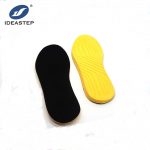
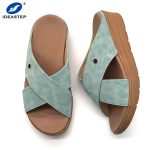
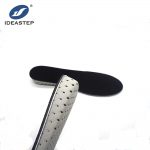
For footwear brands, product differentiation does not always require a new shoe design. A custom insole can change the fit, cushioning, thickness, and internal support structure without redesigning the entire shoe.
For wholesalers, distributors, and private-label buyers, custom made shoe inserts offer more control over product specifications and market positioning. The challenge is finding a design that fits the target footwear, meets the required price point, and can be produced consistently in bulk.
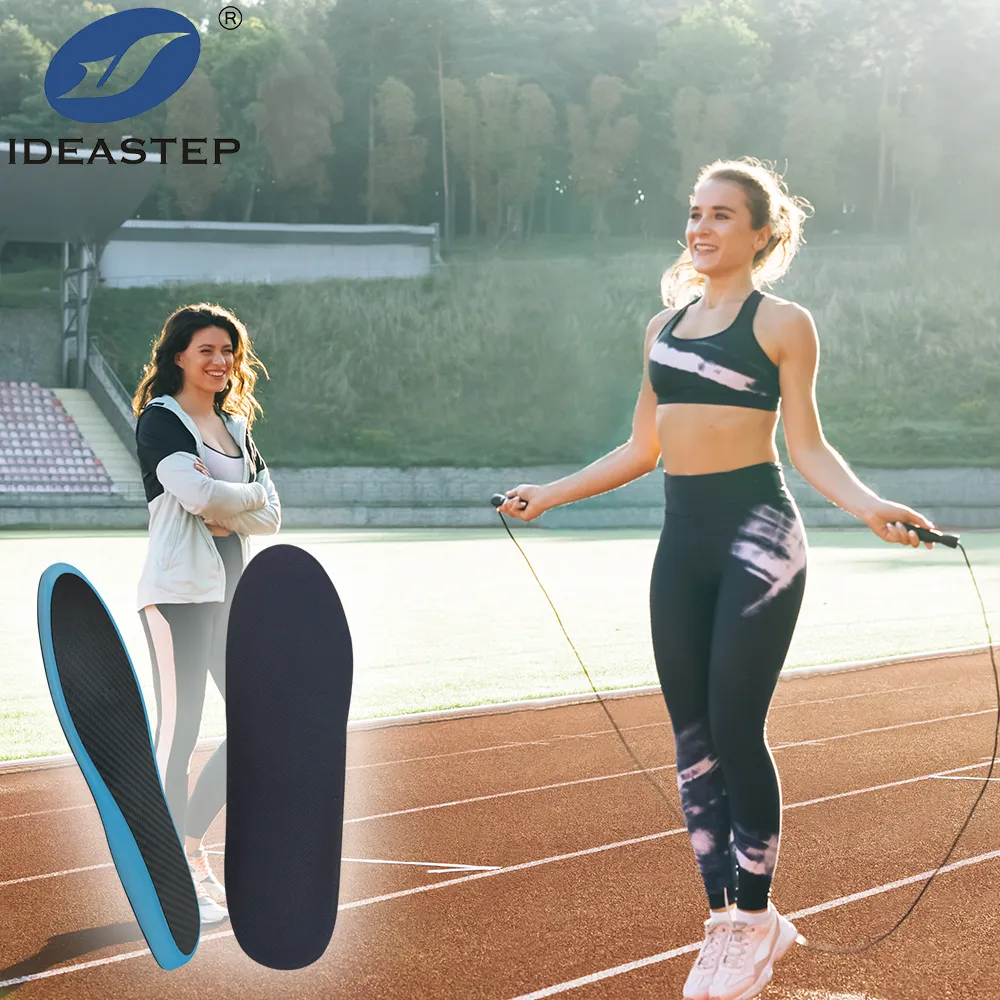
Why Footwear Brands Choose Custom Made Shoe Inserts
Adapt Inserts to Different Shoe Styles
Running shoes, work shoes, casual footwear, and sandals have different space and construction requirements. Buyers may need to adjust the insert’s shape, thickness, flexibility, or support structure to suit each design.
Providing a reference shoe, existing insert, or technical drawing helps the manufacturer assess fit and recommend practical adjustments.
Build a More Distinct Product Range
Brands can differentiate their insole ranges through material combinations, arch profiles, heel cup designs, and top covers. These options allow wholesalers to source products for different customer groups and price segments instead of relying on one standard design.
Develop Private Label Products
Depending on the manufacturer’s capabilities, customization may include product dimensions, materials, logo application, and branded packaging. Buyers should confirm which options are available and whether the project requires new tooling or development work.
Key Design Considerations for Custom Shoe Inserts
Arch Support and Heel Cup
Arch contour, stiffness, and heel cup depth affect the insert’s structure and fit. Buyers should evaluate these features inside the intended shoe rather than selecting a design based on appearance alone.
Material Selection
EVA foam is commonly used for lightweight insole construction, while PU foam is another option for cushioning-focused designs. TPU components may be added where the design requires a firmer structure. The right choice depends on the intended use, construction, and target cost.
Material names alone do not define performance. Confirm the actual material specifications and assess a sample before approving the design.
Thickness and Shoe Compatibility
An insert that is too thick can reduce the space inside a shoe, while an unsuitable shape may cause movement or poor edge alignment. Test samples in the intended footwear and confirm dimensions before bulk production, especially when one design must fit several shoe models.
OEM Customization and Private Label Options
Custom shoe insert projects may include adjustments to size, shape, material layers, top covers, logos, and packaging. Some changes can be made to an existing design, while others may require additional development or tooling.
Before requesting a quotation, identify essential specifications and optional features. Provide approved logo artwork and packaging requirements early to avoid unnecessary revisions.
Sample approval should cover dimensions, materials, thickness, construction, appearance, and fit. Keep the approved sample and written specifications as references for production.
What Wholesale Buyers Should Check Before Ordering
Quality and Production Consistency
Document the material type, dimensions, thickness, color, construction, and acceptable tolerances. For multi-layer inserts, include relevant bonding and alignment requirements in the inspection criteria.
For repeat orders, use the approved sample and written specifications as production references. Confirm any design or material changes before the next batch is made.
MOQ, Pricing, and Lead Time
Custom insole pricing depends on materials, design complexity, order quantity, branding, packaging, and tooling requirements. MOQ may vary by size, color, design, or total order quantity.
Lead time may include sampling, revisions, approval, material preparation, and mass production. Ask the supplier to confirm the MOQ, sampling costs, tooling charges, production schedule, and shipping terms before placing an order.
When comparing suppliers, make sure quotations cover the same specifications. A lower unit price may reflect differences in materials, construction, or included services.
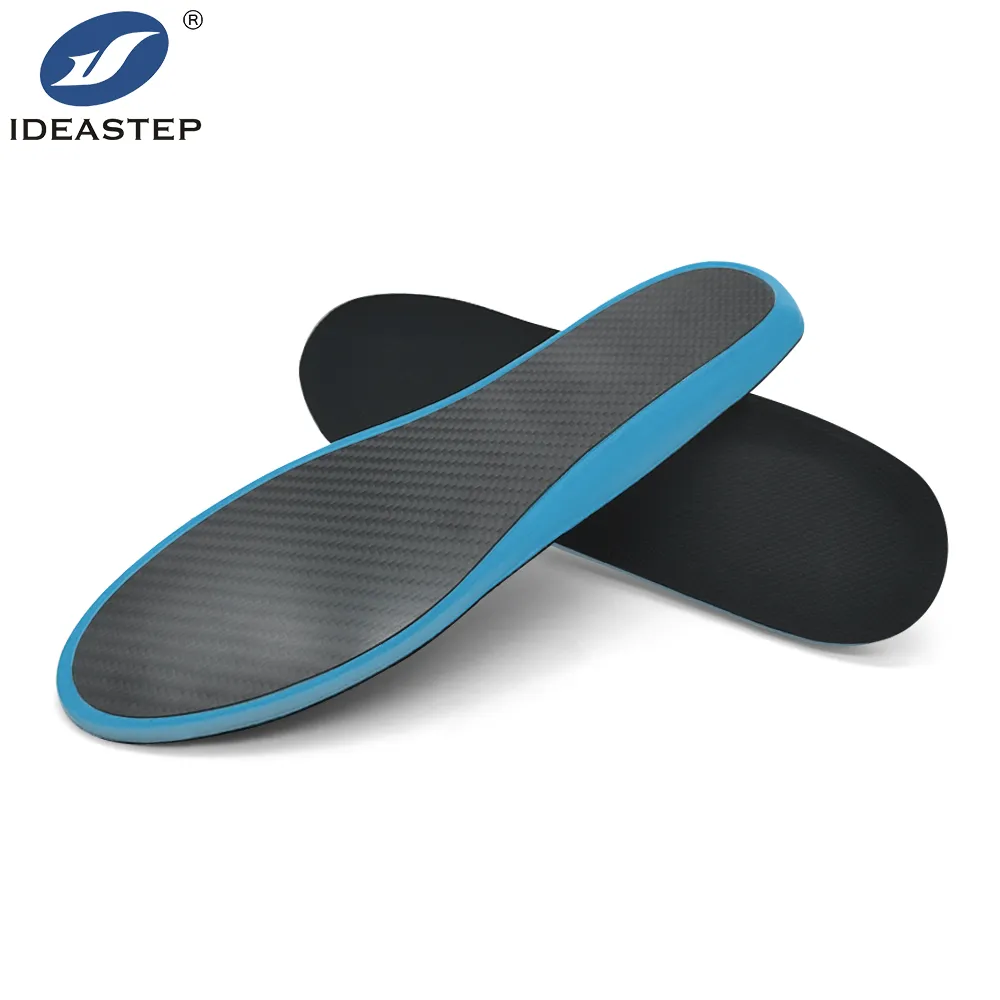
How to Choose a Custom Shoe Insert Manufacturer
Before committing to a supplier, check whether the manufacturer can:
- Develop products from samples, drawings, or footwear specifications.
- Explain material options and available customization methods.
- Provide clear quotations covering MOQ, tooling, and sampling.
- Document product specifications and relevant quality checks.
- Manage specification changes and repeat orders consistently.
Clear technical requirements and commercial terms help both parties avoid misunderstandings during development and bulk production.
Frequently Asked Questions
Can custom shoe inserts be made from an existing sample?
Many projects can start with an existing insert, reference shoe, or technical drawing. The manufacturer should assess the sample and confirm which features can be reproduced or modified.
What information is needed for a quotation?
Provide the shoe type, target sizes, preferred materials, required dimensions, estimated order quantity, branding requirements, and any available samples or drawings.
What determines MOQ and production lead time?
Both depend on the design, materials, tooling, customization, packaging, and order quantity. Confirm the requirements and estimated schedule for your specific project.
Discuss Your Custom Shoe Insert Project with Ideastep
Ideastep works with buyers exploring insole solutions for different footwear applications. To discuss a custom project, share your target shoe type, reference sample, material preferences, estimated order quantity, and branding requirements.
These details provide a practical starting point for evaluating customization options, sample development, and bulk supply.
Explore More: Ideastep custom made shoe inserts suppliers for Shoemaker.