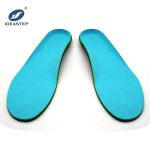
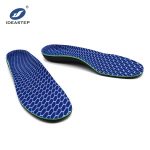
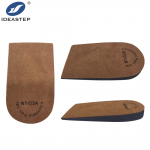
Footwear makers, podiatry clinics, and bulk foot care distributors all hit the same roadblock when adding heel cushions to their product lineup. Generic off-the-shelf pads rarely match brand requirements or solve real patient comfort issues. Many B2B buyers sink money into stock pads that wear fast, deliver uneven cushioning, or fail EU and US material safety checks. Custom heel cushions put you fully in control of design, performance, and branding. That said, successful OEM and bulk buying comes down to vetting the right technical and supply chain details before you commit to production.

Why B2B Buyers Pick Custom Heel Cushions Over Generic Alternatives
Mass-produced heel cushions are built for broad fit, not specific end-use cases. They tend to offer inconsistent heel support, limited wear life, and almost no room for branding tweaks. Custom manufactured heel pads fix these pain points for three primary buyer groups.
- Footwear brands integrate tailored heel cushions into work boots, casual footwear and athletic shoes to boost in-shoe comfort and stand apart from competing product lines.
- Podiatrists and physical therapy clinics rely on therapeutic custom heel cushions to manage plantar fasciitis, heel spurs and heel fat pad atrophy for individual patients.
- Wholesale distributors stock branded custom heel cushions to resell through marketplaces and pre-built foot care retail bundles.
Working directly with a manufacturer lets you adjust cushion geometry, firmness and branding to fit your target users instead of settling for one-size-fits-all parts.
Material Selection for Custom Heel Cushions: Match Performance to Your End Use
Your material choice shapes cushion performance, landed cost and regulatory eligibility. Each substrate brings distinct advantages depending on your wholesale or OEM project goals.
EVA Foam Heel Cushions
EVA remains our most popular choice for large wholesale runs. It’s lightweight, thermoformable and budget-friendly, and manufacturers can die-cut it into precise heel cup profiles. Different EVA densities let suppliers tune softness, shock absorption and resistance to long-term compression. This material fits footwear OEM and mass-market foot care retail lines perfectly.
Gel or Silicone Heel Pads
Gel and silicone deliver superior impact damping, making them ideal for clinical and medical retail applications. These materials resist water and feel gentle on sensitive skin, so they work well for patients living with persistent heel pain. Silicone cushions carry higher raw material costs and are typically produced in smaller batches compared with EVA.
PU Foam Heel Cushions
High-density PU foam holds its shape through heavy, repeated loading. It maintains cushioning for longer, which makes it a solid pick for work shoe inserts and users with higher body weight. PU sits in the mid-to-premium price bracket and is commonly specified for high-end therapeutic foot care products.
European and US Compliance Standards
All materials must pass skin-contact safety requirements for export. Before shipping orders to North America or the EU, confirm your supplier can provide REACH and RoHS documentation. Keep consumer-grade heel cushions separate from medical-grade components; medical classification triggers extra testing and paperwork you’ll need to plan for early.
OEM and ODM Customization Capabilities to Verify With Your Supplier
Don’t lock in a manufacturer until you confirm exactly what custom modifications their facility supports. Not all factories offer the same scope of design changes.
Structural and Shape Customization
You can adjust heel cup depth, pad thickness, edge profile and outer contour to fit specific shoe lasts or clinical needs. Available features include anti-slip surface textures, perforations for airflow, and targeted cutouts to reduce pressure over sensitive heel tissue. Die cutting handles standard custom shapes efficiently, while 3D scanning and thermoforming suit complex, patient-specific heel geometries.
Branding and Packaging Customization
Most OEM partners offer logo embossing, silk printing, adhesive backing and custom retail packaging. These branded touches help your finished product stand out on pharmacy shelves or inside clinic inventory. Always check minimum order thresholds for printed branding, as logo tooling often comes with separate setup charges.
Supply Chain Benchmarks for Wholesale Custom Heel Cushion Orders
MOQ and Sampling Policy
Ready stock wholesale heel cushions usually have low minimums, while fully custom molded OEM designs require higher MOQs due to tooling and setup work. Ask your supplier about sample lead times, sample fees, and whether those sample costs can be credited back once bulk production starts. Fast sampling matters most for brand teams and clinics validating fit and performance before committing to large runs.
Production Capacity and Lead Times
Talk through monthly output limits and peak-season scheduling early in your negotiations. Trusted manufacturers can support staggered shipments and flexible replenishment cycles so you avoid stockouts for retail or clinic supply chains. Put lead time expectations in writing before production to prevent delays ahead of busy selling seasons.
Quality Control and Performance Testing
Your supplier should run standard tests including compression rebound checks, dimension tolerance reviews and incoming raw material inspections. Batch-end sampling catches defects before goods ship. Reliable manufacturers can accommodate third-party lab testing when you need independent validation for compliance documentation and marketing claims.
Select Custom Heel Cushion Designs Based On Your Target Application
- Footwear OEM: Slim-profile EVA heel inserts engineered to fit inside shoe lasts without bulk.
- Podiatry clinics: Medical-grade gel or high-density foam heel cups built for heel spur and plantar fasciitis management.
- Wholesale retail: Pre-packaged heel cushion sets made for e-commerce bundles and pharmacy distribution.
Sharing details about your end users with the manufacturer helps their engineering team refine cushion thickness and firmness, so you don’t end up with pads that are too soft or rigid for your audience.
Calculate Total Project Cost and Avoid Hidden OEM Fees
Many buyers only compare per-unit pricing and miss extra line-item expenses. Budget for mold setup charges, custom logo tooling, specialty packaging fees and third-party testing. Unit pricing almost always drops as order volume grows. Don’t forget export paperwork, ocean or air freight, and customs clearance for cross-border shipments to Europe and North America. Full cost forecasting keeps OEM foot care projects from blowing past your budget.
How to Vet Your Custom Heel Cushion Manufacturing Partner
Technical skill counts just as much as price. Review the supplier’s export history, existing foot care product portfolio and relevant certifications. A strong partner keeps an in-house technical team that can advise on biomechanical tweaks instead of only executing drawings you send over. Get clear terms for defective product handling, design revision workflows and communication cadence during production.
Start Your Custom Heel Cushion OEM Project
Whether you run a footwear brand, podiatry clinic or wholesale foot care distributor, well-engineered custom heel cushions strengthen your product range and improve patient outcomes. Always begin with sample evaluation and material validation before scaling to full production.
Reach out to our team today to review your specifications, request product samples and get a tailored quotation for wholesale or OEM custom heel cushion orders.
Related Articles: Custom Heel Cushions New Revenue Streams for Wholesalers and Foot‑Care Partners.