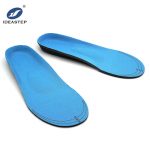
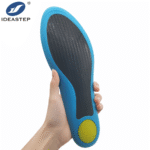
Heel pain is one of the most common foot issues seen across retail and clinical settings. End‑user demand for targeted heel relief continues to rise among standing workers, athletes and ageing populations. From years supporting orthotic distributors, shoe makers and podiatry clinics, we have found generic heel cushions rarely satisfy real‑world requirements. Custom heel cushions allow B2B buyers to build high‑margin SKUs, drive repeat orders and expand professional channels, while integrating smoothly with existing orthotic insole lines.
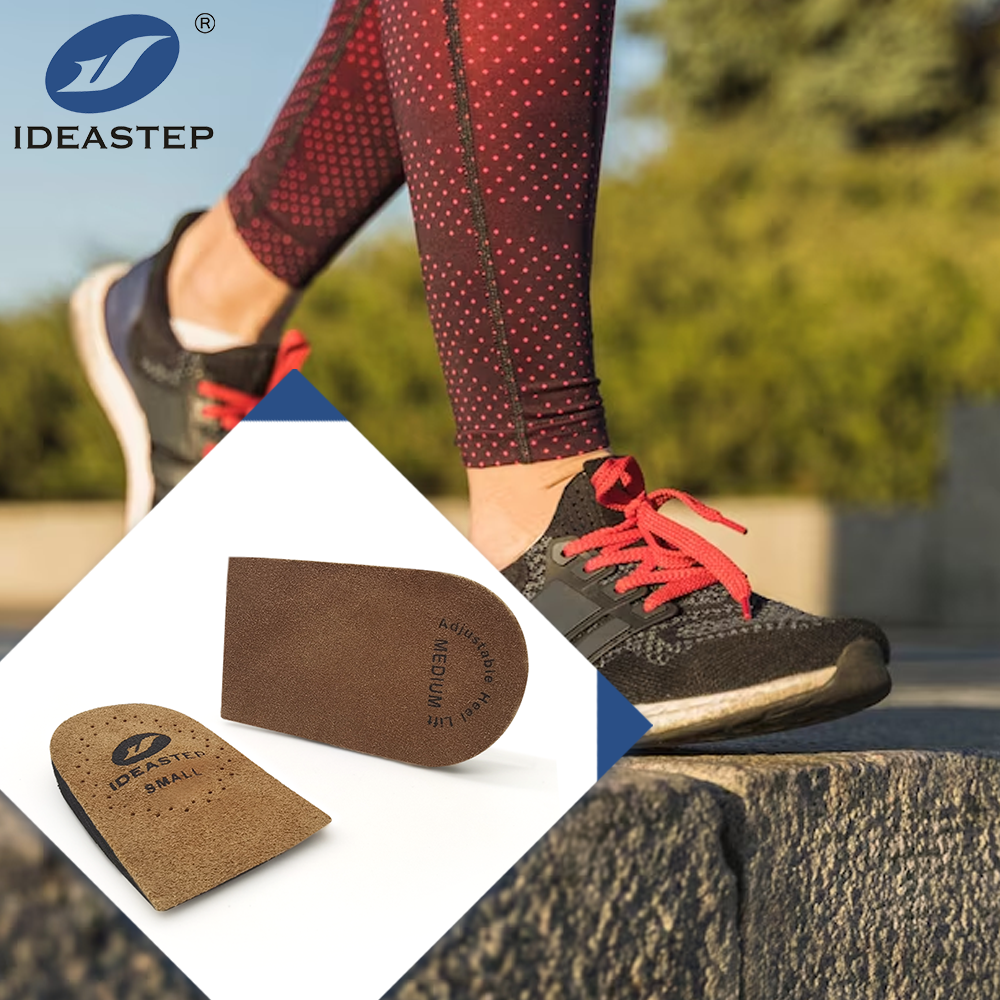
Market Pain Points and Untapped Opportunities for Custom Heel Cushions
Mass‑market heel cushions dominate wholesale inventories, yet most lack adjustable thickness, calibrated firmness and anatomical shaping. This leaves clear gaps for B2B suppliers despite crowded competition.
Wholesalers, footwear brands and foot‑care providers face recurring pain points:
- Wholesalers get trapped in commodity price wars. Standard heel cushions offer little product differentiation, weak repeat rates and limited options for bundling with orthotic insoles.
- Shoe factories encounter fit conflicts. Off‑the‑shelf heel pads often clash with shoe‑last dimensions. Poorly matched thickness leads to cramped shoe space or insufficient heel support, triggering complaints and higher return volumes.
- Podiatry and physiotherapy clinics have limited off‑the‑shelf selections. Generic products cannot address varied heel conditions, and reliable private‑label suppliers are hard to source.
The most viable growth avenues include standalone accessory sales, OEM integration inside finished footwear, clinical consumables, private‑label ranges, and complete foot‑care kits combining heel cushions and orthotic insoles.
Key Commercial Advantages of Custom Heel Cushions for B2B Operators
Escape low‑end competition with improved gross margins
Spec‑built custom heel cushions stand apart from basic commodity pads. You can build premium product tiers based on proven biomechanical performance instead of competing purely on unit cost.
Generate steady repeat‑order revenue as consumable parts
Heel cushions lose shock absorption over months of wear. Unlike footwear with long replacement cycles, these inserts create consistent re‑order flow rather than relying on one‑off large‑volume purchases.
Unlock new professional‑sector buyer segments
Beyond standard retail, custom heel cushions sell well to physiotherapy clinics, rehabilitation facilities and safety footwear brands. Many wholesalers overlook these stable recurring bulk‑order clients.
Expand your existing foot‑care product portfolio
Pairing heel cushions with orthotic insoles enables complete foot‑care solutions. Bundled sets improve loyalty among downstream retailers and clinical partners.
Reduce fit‑driven complaints and return costs
Tunable thickness, firmness and contours align with shoe‑last specs and individual heel presentations. Well‑specified custom heel cushions cut returns linked to heel discomfort and ill‑fitting inserts.
Practical B2B Cooperation Models for Custom Heel Cushion Projects
Select the right model based on order size, lead‑time constraints and product goals:
- OEM Footwear Integration: Heel cushions pre‑fitted into finished shoes with profiles matched to shoe lasts. Best suited for large‑batch shoe‑factory production.
- ODM Co‑Development: Co‑define material density, thickness, geometry, logo embossing and custom packaging. Access orthotic engineering know‑how without building in‑house R&D.
- Private‑Label Validated Stock: Use field‑tested existing moulds with your brand marking. Short lead‑times help wholesalers launch new lines quickly.
- Trim‑to‑Fit Semi‑Finished Heel Cushions: Pre‑produced blanks for manual on‑site shaping. Supports low MOQ for market testing and small‑batch clinic stock.
- 3D‑Printed Custom Heel Cushions: Manufactured from foot‑scan data for premium footwear and specialised rehabilitation use.
- Foot‑Care Bundle Supply: Supply matched heel cushion and orthotic insole sets for retailers, physiotherapy clinics and wellness resellers.
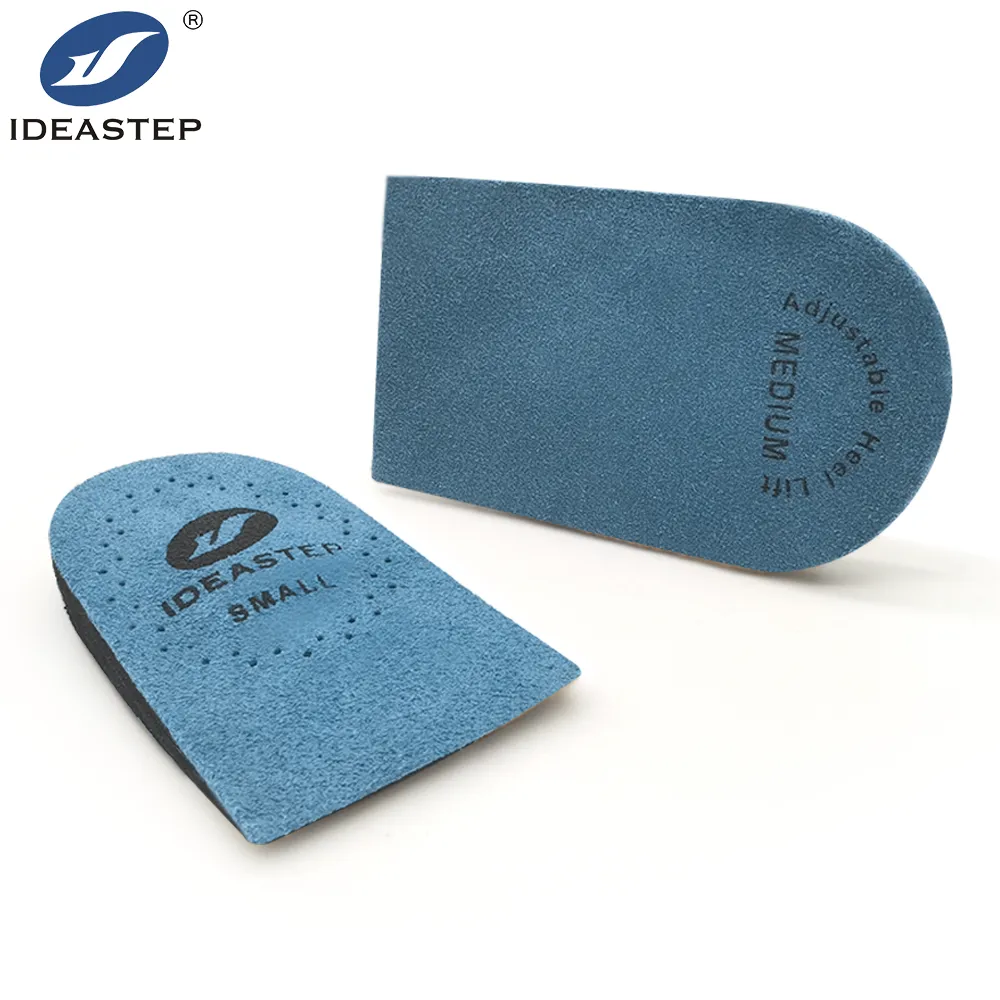
Supplier Evaluation Checklist for Sourcing Custom Heel Cushions
Work through these checks before confirming mass production to avoid costly errors:
- Material performance: Evaluate multi‑density EVA, silicone and composite foams. Match cushion firmness and shock absorption for daily, sport or occupational applications.
- Mould library coverage: Confirm tooling for multiple thickness levels, curvatures and pressure‑relief cut‑outs to cover a wide range of heel pathologies.
- Tiered MOQ flexibility: Clarify minimums for high‑volume OEM runs versus small‑scale private‑label trial orders.
- End‑to‑end customisation: Verify support for logo embossing, thickness adjustment, surface finishing and full branded private‑label packaging.
- Sample validation and batch consistency: Always test physical samples for cushioning and fit performance. Insist on stable quality across full production runs, not just prototypes. Confirm realistic production lead times.
- Export compliance documentation: Request third‑party test reports compliant with REACH and restricted‑substance rules for EU and North America to prevent customs holds.
Common Wholesale Pitfalls and Mitigation
- Prioritising lowest unit cost over material quality. Degraded cushion performance brings widespread end‑user complaints and harms channel reputation.
- Moving to mass production without sample validation. Mismatched thickness or incorrect firmness only surfaces after full batches are completed.
- Blurred product positioning. Draw a clear line between consumer comfort‑focused heel cushions and regulated medical‑grade orthotic devices. Avoid unsubstantiated medical‑benefit claims that create compliance risk.
- Working with suppliers with limited mould inventories. Insufficient profile options restrict SKU expansion and limit market coverage.
- Overlooking stacked thickness for bundled sets. Combining heel cushions and orthotic insoles reduces internal shoe volume and creates tight‑fit complaints.
Practical Roadmap to Capture Custom Heel Cushion Opportunities
Tailor your roll‑out strategy to your business scale:
- Mid‑size wholesalers and emerging foot‑care businesses: Start with private‑label stock or low‑MOQ trim‑to‑fit blanks. Validate market traction with heel‑cushion‑and‑insole bundles before investing in brand‑new custom moulds.
- Large shoe factories and established distributors: Adopt OEM or ODM workflows. Include heel‑cushion requirements in early shoe‑last design to build differentiated core product ranges.
- Develop professional channels: Target physiotherapy and rehabilitation buyers with complete foot‑care bundles to secure stable bulk‑order revenue.
Inquire About Your Custom Heel Cushions B2B Sourcing Requirements
We support global wholesalers, shoe manufacturers and foot‑care partners with sample testing, material comparison, OEM‑ODM quotations and combined supply of heel cushions and orthotic insoles. Share your technical specs and commercial goals for a custom B2B solution.
Related Post:
Are heel cushions necessary?
Ideastep High-quality heel cushions for boots factory for work shoes maker