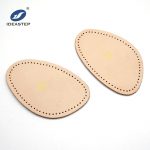
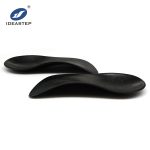
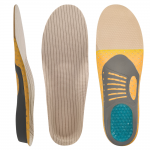
Generic shoe inserts have long been stuck in cut‑throat price competition, squeezing margins for distributors and shoe manufacturers alike. After years working alongside global wholesalers, shoe factories and foot‑care partners, we have observed that custom fit shoe insoles deliver tangible profit potential for B2B operators. These orthotic inserts address real‑world end‑user comfort demands for arch support and heel relief, while helping suppliers step out of low‑margin commodity markets and unlock additional revenue streams.
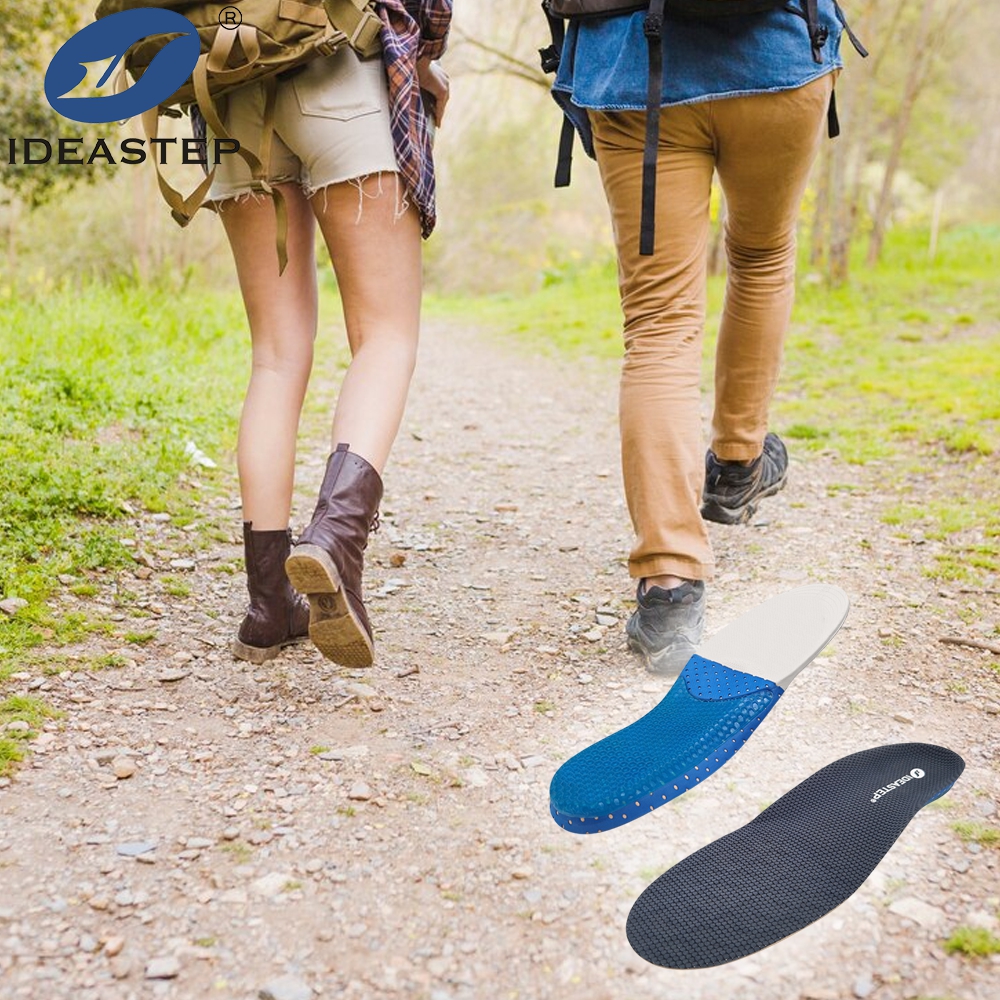
Why Custom Fit Shoe Insoles Are a High‑Impact Profit Driver for B2B Operators
Modern consumers care about functional performance as much as aesthetics. Mass‑produced standard insoles cannot resolve common issues linked to flat feet, high arches and heel fatigue, creating clear market gaps for B2B suppliers.
Wholesalers and footwear brands face two persistent pain points:
- Wholesalers carry largely identical inventory. Price wars erode profits, and generic products rarely drive repeat orders from downstream retailers.
- Footwear brands operate in a saturated market. Most updates focus only on appearance, lacking solid functional selling points. Poor in‑shoe comfort remains one of the top triggers for product returns.
The biggest advantage comes from dual‑channel revenue. Custom fit shoe insoles can be factory‑fitted into finished shoes via OEM production. They also sell independently as replacement inserts to clinics and retail partners, creating a secondary income stream without building entirely new product categories from scratch.
Measurable Business Benefits of Custom Fit Shoe Insoles
Higher gross margins away from commodity‑driven price wars
Custom orthotic inserts differentiate your offering from low‑cost generic alternatives. Wholesalers and brands can build premium SKUs based on proven biomechanical performance, instead of competing purely on price.
Sustainable repeat‑order revenue as consumable products
Shoes follow long replacement cycles, but insoles degrade after months of use. For wholesalers, this translates into consistent re‑order demand from retailers, rather than relying solely on one‑off large‑volume purchases.
Access new B2B buyer segments
Beyond mainstream retail, custom fit shoe insoles open sales opportunities with physiotherapy clinics, rehabilitation facilities and work‑safety distributors. Many footwear suppliers overlook these stable bulk‑purchase professional channels.
Reinforce channel partnerships
Shoe factories add tangible value to finished footwear by integrating custom insoles. Wholesalers supply differentiated stock to downstream retailers, strengthening long‑term channel loyalty.
Lower return rates and reduce complaint‑related costs
Well‑specified custom fit shoe insoles relieve arch strain and heel discomfort. Fewer comfort‑driven returns benefit both footwear brands and wholesale partners, while preserving market reputation.
Practical B2B Cooperation Models for Different Operational Needs
Choose the appropriate solution based on order volume, lead‑time requirements and go‑to‑market strategy:
- OEM Factory Integration: Insoles pre‑installed during shoe assembly. Geometry calibrated to match shoe lasts, best suited for high‑volume footwear production runs.
- ODM Co‑Development: Joint development of exclusive insole profiles, material density, embossed logos and custom packaging. Leverage orthotic engineering resources without building an in‑house R&D team.
- Private‑Label Stock Insoles: Deploy existing validated moulds with your brand marking. Short lead times enable wholesalers to launch new lines quickly.
- Trim‑to‑Fit Semi‑Finished Insoles: Pre‑manufactured substrates for on‑site size trimming. Supports low MOQ, ideal for market testing and small‑batch roll‑outs.
- 3D‑Printed Custom Insoles: Produced from foot‑scan data for premium segments. Target high‑end footwear and professional rehabilitation markets.
Core Supply‑Chain Checks When Sourcing Custom Fit Shoe Insoles
Evaluate suppliers against these practical criteria before committing to bulk production, to avoid costly mistakes:
- Material performance: Assess multi‑density EVA and composite foam. Match support firmness for daily wear, athletic use or occupational footwear applications.
- Mould portfolio: Confirm readily available tooling covering high‑arch, flat‑foot and heel‑relief profiles for diverse end‑user foot types.
- Tiered MOQ flexibility: Distinguish minimum requirements for mass OEM projects versus small‑batch trial orders. Reliable suppliers offer accessible minimums for market validation.
- End‑to‑end customisation: Verify capabilities including logo embossing, thickness adjustment, top fabric selection and complete private‑label packaging.
- Mandatory sample validation and clear lead times: Test physical samples to confirm support performance and shoe‑last compatibility. Secure transparent production and delivery schedules.
Common Project Pitfalls and Mitigation for Wholesalers and Brands
- Chasing lower unit costs while sacrificing biomechanical performance. Sub‑standard inserts lose support rapidly, generating end‑user complaints that damage channel reputation.
- Skipping sample approval before mass manufacturing. Fit errors and incorrect firmness only surface once large batches are completed.
- Ambiguous product positioning. Maintain clear separation between consumer comfort insoles and regulated medical‑grade orthotics. Avoid unsubstantiated medical‑benefit claims that create compliance risk.
- Working with suppliers with limited mould resources. Restricted profile options limit SKU expansion and your ability to serve varied market segments.
Actionable Roadmap to Capture Profit Potential
Tailor your approach to your business scale:
- Small‑to‑mid‑size wholesalers and emerging footwear brands: Start with private‑label stock or trim‑to‑fit insoles at low MOQ. Confirm market traction before investing in fully custom tooling.
- Large‑scale shoe factories and established wholesalers: Implement OEM or ODM workflows. Factor insole specifications during shoe‑last design to build core differentiated product ranges.
- Expand into professional sectors: Develop partnerships with foot‑care and rehabilitation buyers to generate additional B2B bulk‑order sources.
Discuss Your Custom Fit Shoe Insoles B2B Requirements
We support wholesalers, shoe factories and footwear buyers with sample assessment, material comparison, OEM‑ODM quotations and small‑batch wholesale. Share your technical and commercial objectives for a tailored solution.
Related Reading: New custom fit insoles manufacturers for Shoemaker.