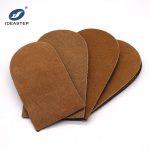
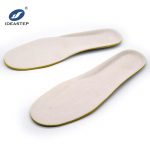
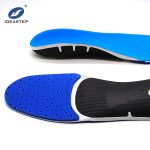
The European and North American footwear space is heavily saturated. Brand owners and shoe manufacturers consistently fight thin margins and fierce look‑alike competition. Having worked directly with shoe factories, wholesale distributors and foot‑care partners across markets for years, we’ve seen custom fit insoles prove themselves as one of the most actionable growth levers for footwear businesses. No longer confined to podiatry labs, custom‑fit orthotics now fit into mass‑market footwear, private‑label accessory lines and multi‑channel B2B distribution.
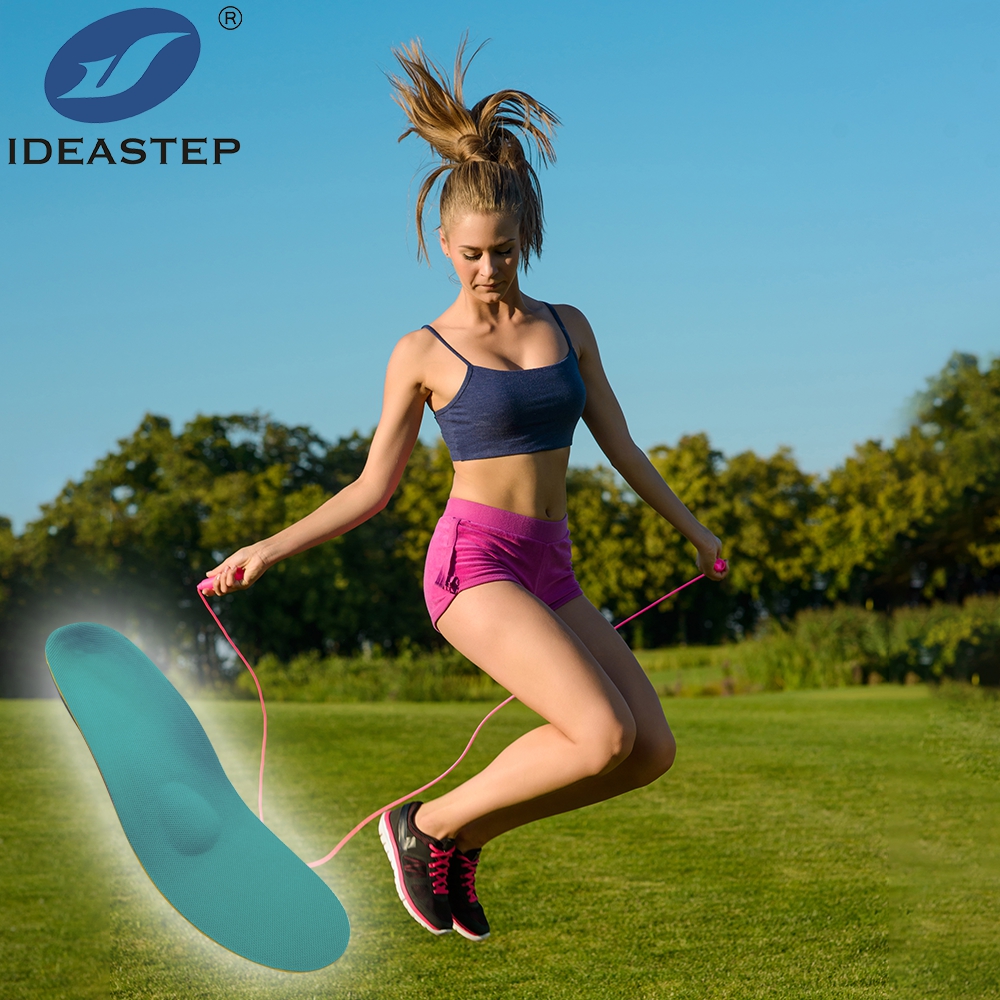
Why Custom Fit Insoles Deserve Attention From Footwear Brands and Wholesalers
End‑user requirements have evolved. Today’s buyers prioritize functional support alongside style. Many consumers live with flat feet, high arches and heel discomfort, and standard factory insoles rarely address real biomechanical needs. This creates tangible gaps both for retail sales and B2B resale.
Two market dynamics make this segment worth prioritizing:
- Commoditized footwear leaves little room to stand out. Visual refreshes deliver diminishing returns; functional built‑in support offers clear differentiation from competing product lines.
- Dual revenue streams are available. Custom fit insoles can ship pre‑installed inside finished shoes, or sold as standalone replacement units for resellers, clinics and retail customers.
Beyond direct‑to‑retail, B2B demand remains steady. Physical therapy clinics, podiatry offices and regional wholesalers continuously source reliable orthotic stock. Brands with solid insole offerings can tap into these channels without building entirely new product categories from ground zero.
Tangible Commercial Advantages of Custom Fit Insoles
Create clear product differentiation
Well‑engineered custom fit insoles deliver verifiable biomechanical performance for casual, work and athletic footwear. Instead of generic “comfort” claims, your line can reference arch geometry, heel stability and pressure redistribution. This helps you avoid pure price competition.
Improve margins and generate repeat turnover
Footwear paired with purpose‑built orthotics supports higher price positioning. Insoles are also consumable parts. Unlike shoes that get replaced annually, insoles degrade over months and drive repeat orders for wholesalers and end customers alike.
Unlock additional B2B distribution channels
A complete insole portfolio opens opportunities outside shoe retail. Private‑label orthotics can be supplied to foot‑health clinics, wellness retailers and regional distributors. Many footwear suppliers overlook this secondary revenue stream, leaving considerable room for early adopters.
Cut return rates and strengthen brand credibility
Foot discomfort is one of the leading causes of footwear returns. Properly specified custom‑fit insoles reduce complaints around arch strain and heel fatigue. Better end‑user experience translates to stronger reviews and more reliable long‑term partnerships for wholesalers.
Proven B2B Collaboration Models for Launching Custom Insole Lines
Based on real‑world wholesale and manufacturing projects, these five models work for operations of all sizes, from emerging labels to large‑volume shoe factories.
- OEM Factory Fit: Custom‑fit insoles pre‑fitted during shoe production. Insole geometry is calibrated to match your shoe last for seamless assembly. Suited for high‑volume footwear collections.
- ODM Co‑Development: Build exclusive insole specifications including arch profiles, material layering, logo embossing and custom packaging. Tap into supplier biomechanical expertise without building an in‑house orthotic team.
- Trim‑to‑Fit Semi‑Finished Insoles: Pre‑produced substrates that can be cut to size. This option supports lower MOQ, ideal for brands and wholesalers testing market traction before committing to dedicated tooling.
- 3D‑Printed Custom Insoles: Reserved for premium product tiers. Scan‑generated geometry delivers highly individualized support for high‑end footwear or health‑focused ranges.
- Private‑Label Stock Insoles: Use existing validated molds with your brand marking. Fastest go‑to‑market path with minimal development lead time.
Critical Sourcing and Supply‑Chain Considerations
Ambitious product concepts often fail due to overlooked sourcing details. When evaluating suppliers, focus on these practical points before confirming bulk orders:
- Material specification: Multi‑density EVA remains the standard for balanced cushioning and structural rigidity. Combine firm base layers with soft top covers depending on use case: athletic, daily wear or occupational footwear. Define firmness requirements clearly with your manufacturing partner.
- Foot‑type mold coverage: Confirm available tooling for high‑arch, flat‑foot and heel‑relief profiles matching your target markets.
- Flexible MOQ structures: Separate requirements for mass shoe‑factory OEM runs versus small‑batch trial orders for market validation. Reliable partners offer tiered minimums for growing brands and wholesalers.
- Customization scope: Verify logo embossing, thickness adjustment, surface finishing and full private‑label packaging capabilities.
- Mandatory sample testing: Always validate physical samples prior to mass production. Prototypes catch last incompatibility, hardness variance and fit issues that become costly at full production scale.
Frequent Project Risks and How Wholesalers and Brands Can Avoid Them
Even established footwear stakeholders run into predictable pitfalls with custom insole programs:
- Chasing rock‑bottom unit cost at the expense of mechanical performance. Low‑grade foam quickly loses support and triggers high end‑user complaint rates.
- Skipping sample evaluation and approving mass production directly. Fit and geometry problems only surface with physical prototypes.
- Unclear product positioning. Draw a firm line between consumer comfort insoles and regulated medical‑grade orthotics. Avoid unsubstantiated medical claims that create compliance exposure.
- Partnering with suppliers holding limited mold libraries. Restricted arch profile options limit your ability to serve diverse foot‑type segments.
Practical Roadmap to Capture Custom Insole Market Opportunities
Your approach should align with business scale and risk appetite:
- For smaller brands and new wholesalers: Start with private‑label stock or trim‑to‑fit insoles with reasonable MOQ. Validate market response before investing in fully custom tooling.
- For large‑scale shoe manufacturers and established brands: Deploy OEM or ODM workflows. Integrate insole specifications at shoe‑last development stage so orthotics function as an integrated component of finished footwear.
- Expand cross‑sector reach: Build relationships with local foot‑care distributors and clinics to activate secondary B2B sales channels alongside existing footwear business.
Discuss Your Custom Fit Insole Requirements
We support footwear brands, shoe factories and global wholesale partners with sample testing, material benchmarking, OEM‑ODM quotes and low‑MOQ orthotic supply. Get in touch to share your product objectives and technical requirements for a tailored solution.
Related Reading:
New custom fit insoles manufacturers for Shoemaker
Ideastep custom fit insoles arch support suppliers for Shoemaker