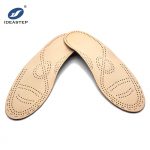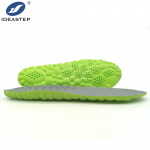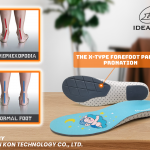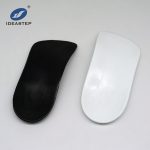
Long-distance hiking places repeated stress on the feet, especially when walking on rocky trails, steep slopes, or uneven terrain. While hiking boots provide protection and stability, the insole inside the boot plays an important role in cushioning, pressure distribution, and overall wearing comfort.
Memory foam insoles for hiking boots are designed to improve comfort by adapting to foot pressure and providing a softer step feel. However, effective hiking insoles require more than a soft foam layer. Material selection, support structure, durability, and footwear compatibility all influence final performance.
For outdoor footwear brands and distributors, developing high-quality hiking insoles requires professional manufacturing knowledge, from foam selection and structural design to OEM customization.
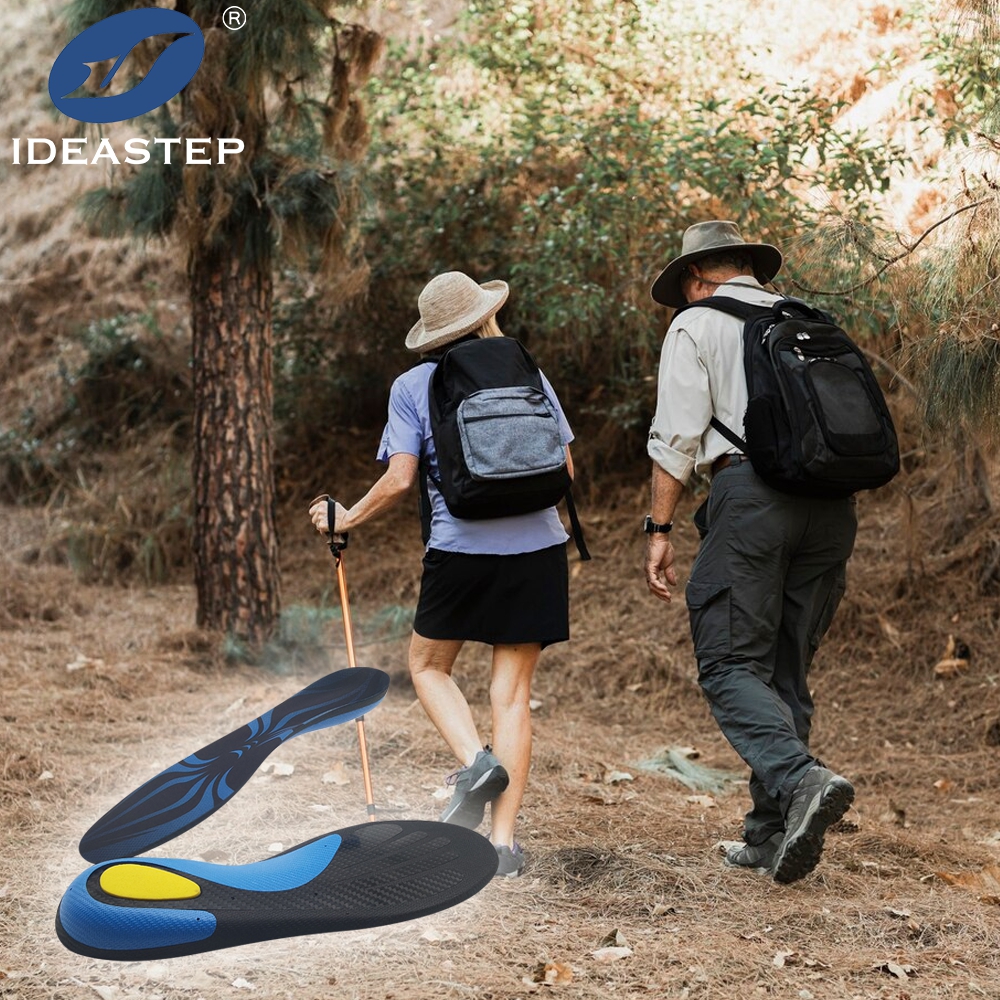
Why Hiking Boots Need Quality Insoles
Hiking involves continuous impact from walking distances, uneven surfaces, and changing ground conditions. Standard boot insoles may not always provide enough cushioning or support for extended outdoor activities.
Common challenges during hiking include:
- Heel pressure after long-distance walking
- Foot fatigue on uneven trails
- Limited cushioning from standard insoles
- Excessive movement inside hiking boots
- Moisture buildup during extended outdoor use
A properly designed hiking insole helps improve comfort by supporting the foot, distributing pressure, and creating a more stable fit inside the boot.
Benefits of Memory Foam Insoles for Hiking Boots
Adaptive Cushioning and Pressure Relief
Memory foam responds to body heat and pressure, allowing the material to gradually adapt to the shape of the foot. This creates a more personalized cushioning experience and helps reduce pressure concentration during long walks.
For hiking applications, memory foam is usually combined with supportive materials to achieve a better balance between softness and stability.
Improved Boot Fit and Comfort
A properly designed insole can improve the internal fit of hiking boots by reducing unnecessary movement between the foot and shoe. Better contact between the foot and insole may help improve comfort during long outdoor activities.
Shock Absorption for Outdoor Terrain
Hiking creates repeated impact, especially when walking on hard surfaces or carrying additional weight. Multi-layer insole structures combine cushioning materials with support layers to absorb impact and improve walking comfort.
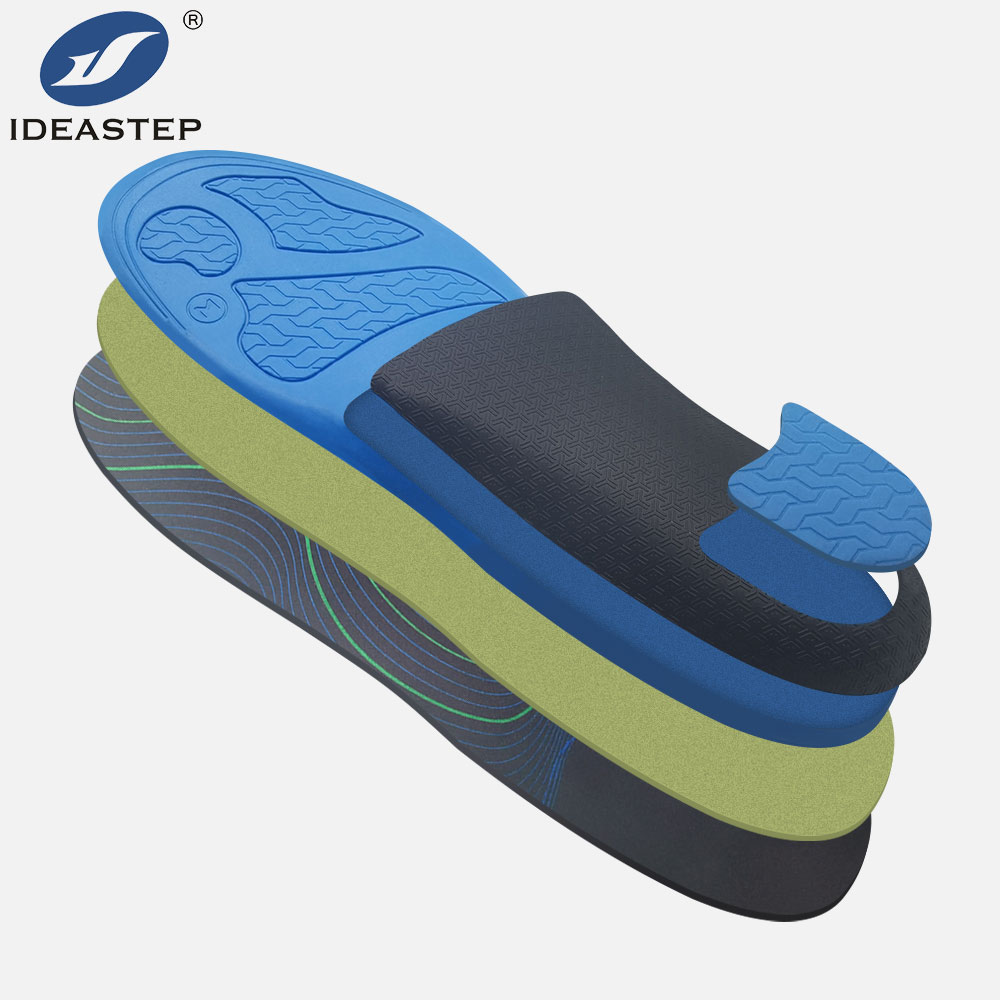
Materials Used in Hiking Boot Insoles
Professional hiking insoles often combine several materials because each layer serves a specific function, such as cushioning, support, stability, or moisture management.
Memory Foam Layer
Memory foam is commonly used as a comfort layer because it provides a soft feel and adapts to foot pressure. Different foam densities affect softness, recovery speed, and long-term durability, allowing manufacturers to adjust products for various outdoor applications.
EVA Foam Base Layer
EVA foam is widely used in hiking insoles because of its lightweight structure, flexibility, and cushioning performance. By adjusting EVA density and hardness, manufacturers can create different levels of support and shock absorption.
Higher-density EVA can provide stronger support and durability, while softer EVA options focus more on cushioning and comfort.
TPU Support Components
TPU reinforcement is often added around the arch and heel areas to improve structural stability. It helps control excessive foot movement and maintains the shape of the insole during repeated outdoor use.
Breathable Top Covers
Outdoor activities often create heat and moisture inside footwear. Breathable fabric covers and moisture-control materials help improve comfort during long hiking sessions.
Key Design Features for Hiking Insoles
Arch Support Structure
Hiking insoles need a balance between flexibility and support. Proper arch design helps maintain foot stability while allowing natural movement during walking.
Deep Heel Cup
A structured heel cup helps position the heel securely inside the boot and improves stability when walking on uneven terrain.
Multi-Layer Construction
Many high-performance hiking insoles use multi-layer construction, combining memory foam, EVA cushioning, support components, and protective top covers. This approach helps achieve better comfort, durability, and functional performance.
Anti-Slip Bottom Layer
Some hiking insoles include textured bottom layers to reduce movement inside the boot, helping maintain a more stable foot position during outdoor activities.
Custom Memory Foam Insoles for Hiking Boot Brands
The growing outdoor footwear market has created new opportunities for brands to develop customized insole products. Outdoor footwear companies, distributors, and retailers often work with experienced manufacturers to create solutions based on specific customer needs.
Through OEM and private label manufacturing, companies can customize:
- Memory foam thickness and density
- EVA cushioning structure
- Arch support level
- Top cover materials
- Branding and packaging
An experienced orthotic insole manufacturer can help optimize materials and structures according to footwear design, target users, and market positioning.
Key Considerations for Hiking Insole Development
When developing or selecting hiking boot insoles, several factors should be considered:
- Material performance: Foam density, hardness, and durability affect long-term comfort.
- Boot compatibility: The insole should match the internal shape and space of the hiking boot.
- Support design: Arch and heel structures should provide stability without restricting movement.
- Outdoor durability: Materials should maintain performance under repeated use.
- Moisture management: Breathable materials improve comfort in different outdoor conditions.
Frequently Asked Questions
Are memory foam insoles good for hiking boots?
Yes. Memory foam insoles can improve hiking comfort by providing adaptive cushioning and pressure relief. For better outdoor performance, they are often combined with EVA and TPU support structures.
What materials are used in hiking boot insoles?
Common materials include memory foam, EVA foam, TPU support components, and breathable fabric covers. Manufacturers combine these materials to achieve different levels of comfort, support, and durability.
Can brands customize memory foam hiking insoles?
Yes. OEM manufacturers can customize materials, structures, support levels, branding, and packaging to meet different outdoor footwear market requirements.
Conclusion
Memory foam insoles for hiking boots provide enhanced cushioning, improved fit, and better comfort for outdoor users. By combining memory foam with materials such as EVA and TPU, manufacturers can develop hiking insoles that balance softness, support, and durability.
For outdoor footwear brands and distributors, partnering with an experienced insole manufacturer makes it easier to develop customized hiking insole solutions with reliable quality and scalable production.
Related Reading:
Memory Foam Insoles for Boots
Memory Foam Insoles for Walking Boots