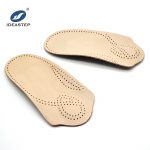
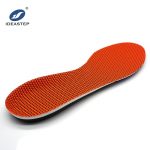
Custom arch support insoles give footwear brands and wholesale buyers more control over insole design, material selection, and fit. Instead of relying entirely on standard inserts, buyers can specify arch profiles, cushioning levels, heel cup structures, thicknesses, and top-cover materials to suit different footwear designs.
For businesses developing their own footwear lines or sourcing insoles in bulk, the main consideration is not simply whether an insole offers arch support. It is whether the design fits the shoe, meets the target price, and can be produced consistently at the required volume.
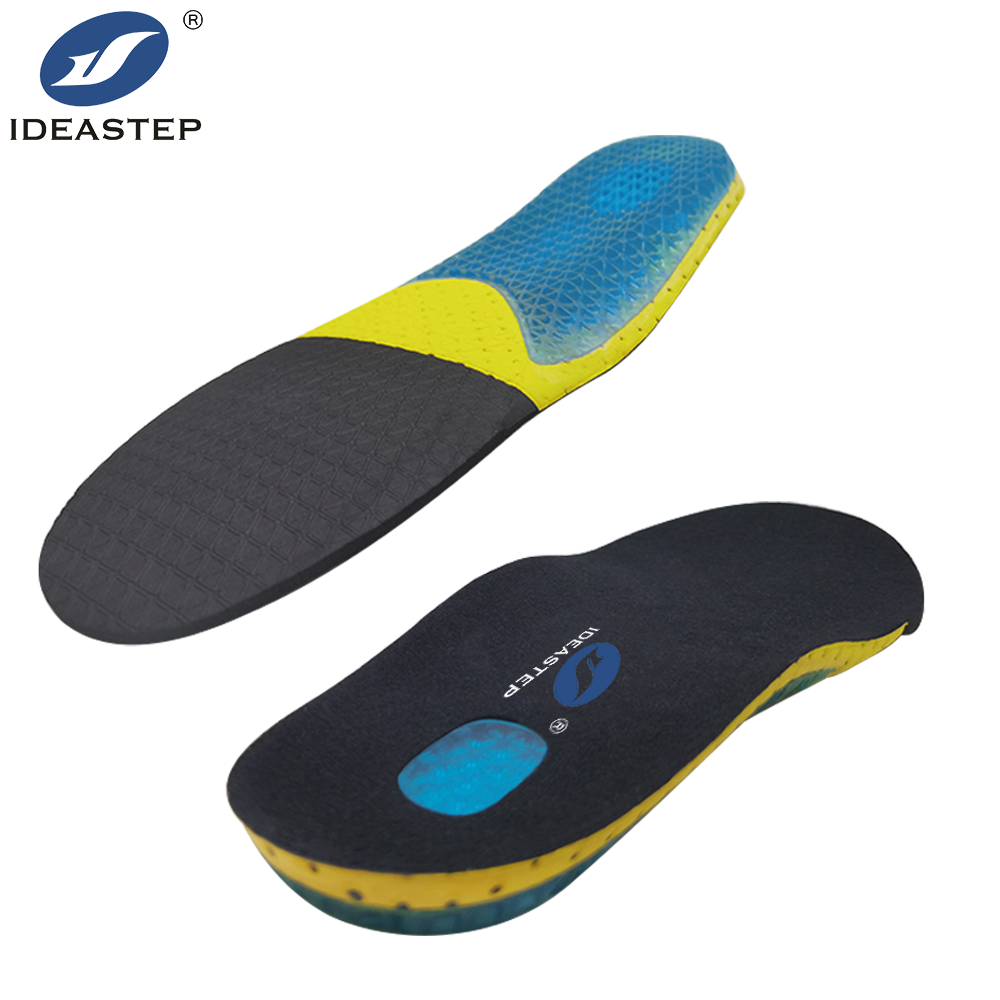
Why Footwear Brands Choose Custom Arch Support Insoles
Match the Insole to the Footwear Design
An insole designed for a casual shoe may not work well in a work boot, athletic shoe, or dress shoe. Available internal space, heel height, upper construction, and the shape of the footbed all affect the final design.
Custom development allows buyers to adjust the arch contour, overall thickness, heel cup, and material firmness to suit the intended footwear. These details should be evaluated alongside the shoe’s internal dimensions rather than specified independently.
Develop Products for Different Market Segments
Wholesale buyers often serve several customer groups, each with different expectations for cushioning, support, durability, and price. A single standard insole may not suit every product range.
Custom arch support insoles allow buyers to develop different specifications for different collections. For example, a lightweight EVA design may suit one footwear line, while another may require a firmer structure or a different top-cover material. The final specification depends on the shoe design, target market, and cost requirements.
Support OEM and Private Label Programs
OEM and private label projects often require more than a logo on an existing product. Buyers may need specific dimensions, materials, colors, surface finishes, packaging, or branding details.
Before production begins, buyers should confirm which elements can be customized, which specifications will remain standard, and how approved samples will be used as production references. Clear requirements help reduce avoidable changes during development.
Key Design Factors in Custom Arch Support Insoles
Arch Height, Contour, and Firmness
Arch height and contour affect how the insole fits within the shoe and how it feels during use. Firmness also matters: a softer material and a more rigid support structure will behave differently under load.
Buyers should assess the arch profile together with the intended footwear, target user group, and overall insole construction. A higher arch is not automatically a better specification. The appropriate design depends on the product requirements and fit evaluation.
Heel Cup and Rearfoot Structure
The heel cup helps define the shape of the rearfoot section and influences how the insole sits inside the shoe. Its depth, width, and rigidity should work with the shoe’s heel area and available internal volume.
For custom projects, buyers should review the heel structure as part of the complete insole rather than treating it as an isolated feature. Changes to the heel cup may also affect overall thickness, material use, and tooling requirements.
Material Selection
Material selection affects the insole’s weight, flexibility, cushioning characteristics, durability, and production cost. Common options include:
- EVA foam: Lightweight and available in different densities and firmness levels, making it useful for a range of insole constructions.
- PU foam: Often selected when cushioning and material feel are important to the product specification.
- TPU components: Can be incorporated into selected designs where additional structural support is required.
- Top-cover materials: Fabric, mesh, microfiber, and other cover materials can change the surface feel, appearance, and wear characteristics.
These materials are not interchangeable in every design. The right combination depends on the required construction, target price, and performance expectations. Buyers should confirm the actual material specifications with the manufacturer instead of relying on material names alone.
Thickness and Shoe Compatibility
Available shoe volume is a practical constraint in custom insole development. An insole that is too thick may make the shoe feel tight, while an unsuitable heel or forefoot profile can affect fit.
When requesting a quotation, buyers should provide the shoe type, size range, existing insole dimensions, and any available drawings or reference samples. These details give the manufacturer a clearer basis for evaluating the proposed design.
How the Custom Insole Development Process Works
1. Define the Product Requirements
Before requesting samples, buyers should prepare a clear specification. Useful information includes:
- Footwear category and intended application
- Insole length, width, thickness, and size range
- Required arch profile and heel cup design
- Preferred materials, firmness, and top-cover options
- Logo, color, labeling, and packaging requirements
- Estimated order quantity and target unit cost
An existing insole, technical drawing, or shoe sample can help communicate the design. If some specifications are not yet finalized, buyers should identify them as open requirements rather than assume they are already agreed.
2. Review and Evaluate Samples
Sample development allows buyers to check dimensions, construction, material feel, and compatibility with the intended footwear before committing to bulk production.
Evaluation should focus on the agreed product requirements. If the sample needs changes, buyers should record the specific adjustments, such as arch contour, thickness, firmness, or heel cup dimensions. Clear feedback is more useful than general comments such as “make it more comfortable.”
3. Confirm the Final Specification
Once the sample is approved, the buyer and manufacturer should confirm the specifications that will govern mass production. These may include material details, dimensions, tolerances, color references, logo placement, packaging, and inspection requirements.
Keeping an approved sample and a written specification helps both sides check production batches against the same reference. Any later changes should be documented to avoid confusion between the approved version and subsequent orders.
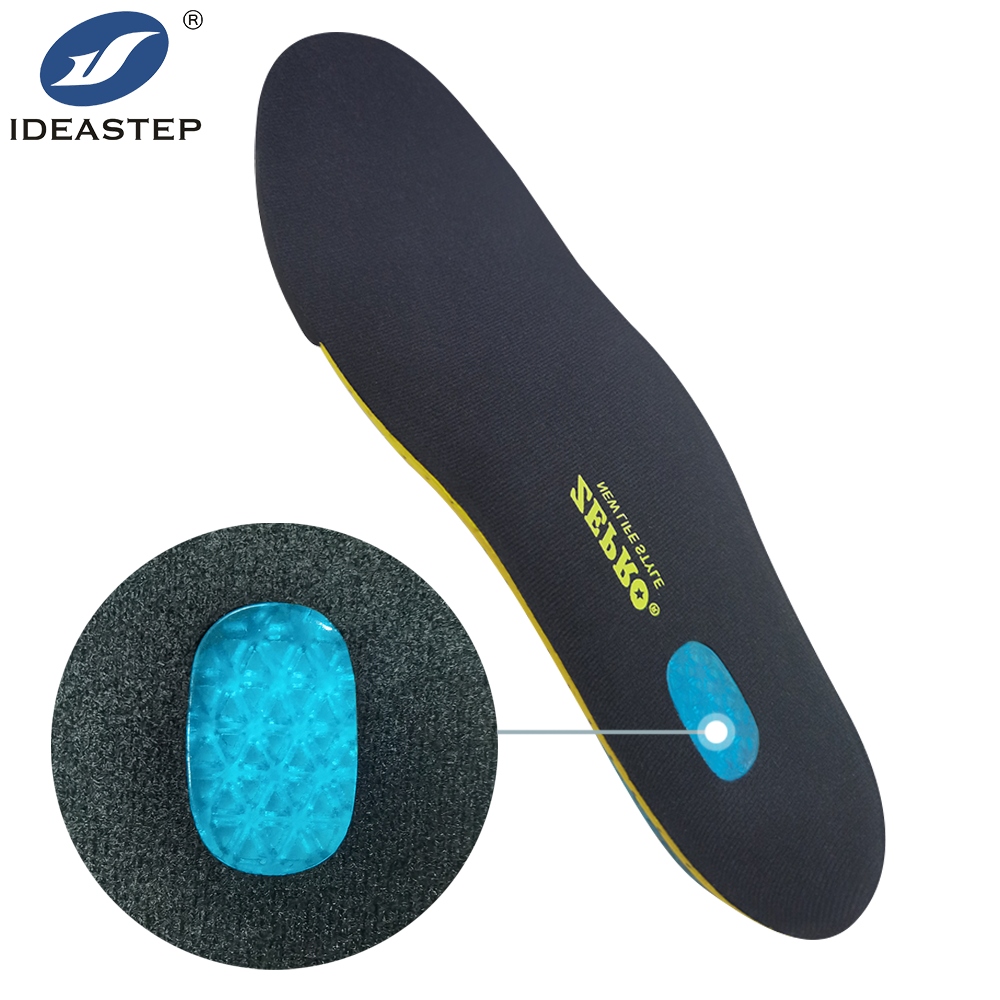
What Wholesale Buyers Should Check Before Ordering
Material Specifications and Quality Control
Terms such as EVA, PU, and TPU describe broad material categories, not complete product specifications. Density, firmness, thickness, construction, and surface materials can vary between products.
Buyers should clarify which characteristics matter most for their application and agree on how the finished insoles will be inspected. Depending on the product, checks may cover dimensions, appearance, material consistency, bonding, and workmanship.
MOQ, Pricing, and Lead Time
Minimum order quantity and unit pricing depend on the design, materials, tooling requirements, size range, packaging, and order volume. A standard insole and a fully customized design may involve different development and production costs.
When comparing quotations, buyers should check whether the price includes sampling, tooling, custom packaging, and branding. They should also confirm sample lead time, production lead time, and the conditions that could affect the delivery schedule.
Consistency Across Repeat Orders
For wholesalers and footwear brands, repeat-order consistency can be as important as the first sample. Differences in dimensions, firmness, color, or construction may create problems when products are supplied to the same customer over multiple orders.
Before placing a repeat order, buyers should confirm that the manufacturer retains the approved specifications and can identify the correct product version. A documented approval process makes it easier to manage changes and investigate discrepancies.
How to Choose a Custom Insole Manufacturer
When comparing manufacturers, buyers should look beyond the initial quotation. The key questions concern design communication, material options, sampling, production controls, and the supplier’s ability to follow the agreed specification.
- Customization scope: Confirm which design elements can be changed and whether the proposed construction is suitable for the intended footwear.
- Sampling process: Ask how samples are reviewed, how revisions are handled, and how final approval is recorded.
- Specification management: Check how the supplier documents materials, dimensions, colors, and approved changes.
- Production planning: Discuss MOQ, tooling where applicable, production lead time, packaging, and order scheduling.
- Communication: Establish who will confirm technical details, review samples, and approve changes before production.
A supplier’s ability to explain these details clearly can help buyers assess whether the supplier is suitable for an ongoing wholesale or private label program.
Frequently Asked Questions
Can custom arch support insoles be developed from an existing sample?
Yes. An existing insole can serve as a reference for dimensions, shape, materials, and construction. Buyers should identify which features need to remain unchanged and which require modification. The manufacturer can then assess the proposed changes and the sampling requirements.
What information is needed for a custom insole quotation?
Provide the intended footwear type, size range, approximate dimensions, material preferences, customization requirements, estimated quantity, and packaging needs. A reference sample or drawing can help clarify the design. The more complete the specification, the easier it is to prepare a comparable quotation.
What affects MOQ and production lead time?
MOQ and lead time depend on the design, materials, tooling requirements, sampling and approval stages, order quantity, and packaging. Buyers should request these details for the specific project rather than rely on a general estimate.
Can custom arch support insoles be supplied under a private label?
Private label arrangements may include logo application, custom colors, labeling, and packaging, depending on the product and supplier’s capabilities. Buyers should confirm the available options, artwork requirements, and any related minimum quantities before approving the order.
Develop Custom Arch Support Insoles with Ideastep
Ideastep works with businesses sourcing insoles for wholesale, OEM, and private label projects. Buyers evaluating a custom arch support insole can prepare their footwear specifications, target materials, quantity, and reference samples to support an initial review.
Providing these details at the start helps establish whether the proposed design, production requirements, and target cost are aligned before moving into sampling and order planning.
Related Reading: New custom arch support insoles for business for Shoemaker.