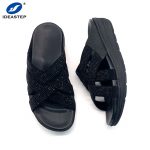
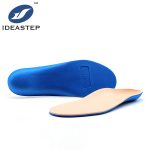
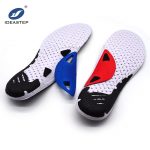
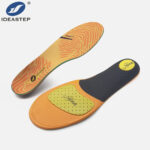
Rigid shell orthotic insoles use a firm structural base to provide support and help control foot movement within footwear. Manufacturers commonly use thermoplastic materials or composite structures to achieve the required stiffness, shape retention, and durability.
For wholesalers, orthotic brands, and footwear manufacturers, shell design affects more than product performance. Material selection, production methods, size grading, and assembly requirements also influence manufacturing costs and supply consistency.
When evaluating rigid shell orthotic insoles for a product range, buyers should consider three main factors: material properties, shell structure, and intended footwear application. A clear understanding of these factors makes supplier comparisons more practical and helps businesses specify products more accurately.
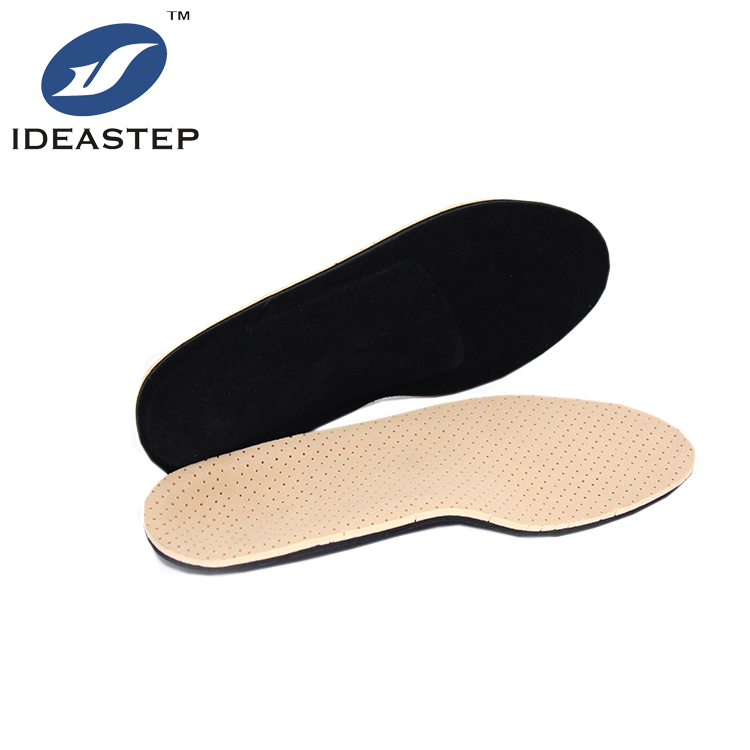
Comparing Materials for Rigid Shell Orthotic Insoles
Material choice affects shell stiffness, weight, forming methods, and production costs. Buyers should evaluate each option against the requirements of the finished product rather than select materials based on price alone.
Polypropylene (PP)
Polypropylene is a common thermoplastic for rigid and semi-rigid orthotic shells. Manufacturers can heat-form PP into specific contours and adjust its thickness and geometry to achieve different levels of support.
For wholesale projects, PP offers a practical balance between processability, structural performance, and material cost. It suits orthotic product lines that require repeatable shapes and scalable production.
However, PP performance depends on material grade, shell thickness, and design. Buyers should confirm the required stiffness and forming specifications with their supplier before placing a bulk order.
Polyethylene and Other Thermoplastics
Polyethylene and other thermoplastic materials may suit applications that require different flexibility, impact response, or forming characteristics. Their performance varies by formulation and grade, so buyers should not treat all thermoplastics as interchangeable.
When comparing materials, request technical information on stiffness, forming temperature, thickness tolerance, and shape retention. These details help product teams determine whether a material fits the intended shell design and manufacturing process.
Carbon Fiber and Composite Materials
Carbon fiber and other composites can provide a high stiffness-to-weight ratio. Manufacturers may use them in products that require a lightweight, relatively rigid structure.
However, composite shells often involve different tooling, processing, and cost considerations than conventional thermoplastics. Their suitability depends on the target product, design complexity, production volume, and budget.
For wholesalers developing a premium product line, it makes sense to compare the total manufacturing cost and performance requirements before choosing a composite structure.
How Thickness and Stiffness Affect Material Selection
Material type alone does not determine shell performance. Thickness, shell geometry, and the forming process also influence rigidity and flexibility.
A thicker shell may provide greater stiffness, but it can also increase weight and affect how the insole fits inside the shoe. Changes to the heel cup, arch contour, or posting geometry may also alter the shell’s mechanical behavior.
Buyers should therefore define performance requirements before finalizing material specifications. Where possible, evaluate samples under the same conditions and compare their dimensions, stiffness, fit, and finish.
Shell Structures and Key Design Features
The shell structure determines how the insole fits inside footwear and how the product balances support, flexibility, and available space. Small design changes can also affect tooling requirements and assembly costs.
Full-Length and Three-Quarter-Length Shells
A full-length shell extends toward the forefoot and works with a broader range of insole top covers and cushioning layers. This structure may suit footwear designs that require a continuous base beneath most of the foot.
A three-quarter-length shell stops before the toes, leaving more room in the forefoot area. Some footwear designs benefit from this arrangement because it reduces material coverage near the front of the shoe.
Neither structure suits every application. Buyers should consider shoe volume, available internal space, top-cover thickness, and the requirements of the finished product before choosing a shell length.
Heel Cup Design
The heel cup influences rearfoot containment, shell stability, and the overall fit inside the shoe. Its depth and shape should match the product’s intended function and the available footwear space.
A deeper heel cup may require more internal shoe volume. If the shoe has a low heel counter or limited depth, the design could create fitting problems during assembly.
For bulk production, buyers should confirm heel cup dimensions during sample evaluation. Consistent tooling and clear dimensional specifications help manufacturers maintain repeatable results across production batches.
Arch Contour, Posting, and Wedge Geometry
Arch contour and posting geometry affect the shell’s shape and stiffness distribution. Designers may adjust these features to meet different product specifications and footwear requirements.
Wedge geometry also requires careful control. Even a small change in angle or thickness can alter the finished product’s dimensions and assembly characteristics.
Wholesale buyers should provide drawings, reference samples, or clear dimensional requirements when a project calls for specific contours. Early agreement on these details helps reduce unnecessary revisions during production.
Top Covers and Cushioning Layers
Many rigid shell orthotic insoles combine a firm base with softer layers. Common options include EVA foam, PU foam, fabric covers, and other cushioning materials.
Each layer contributes different properties. EVA foam offers a range of density and firmness options, while PU foam can provide different cushioning characteristics depending on its formulation. Fabric choices influence the surface finish and may affect lamination requirements.
The complete construction matters more than any single component. Buyers should review shell thickness, cushioning-layer dimensions, bonding methods, and overall insole height together to ensure the assembled product fits the intended footwear.

Applications of Rigid Shell Orthotic Insoles
Rigid shell orthotic insoles serve several B2B markets. The right design depends on the footwear category, product specifications, and the requirements of the business purchasing the finished insoles.
Podiatry and Orthotic Product Lines
Orthotic brands and foot-care product suppliers may require rigid or semi-rigid shells in different shapes, sizes, and stiffness levels. Consistent dimensions and repeatable production help these businesses maintain stable product ranges.
For this market, buyers should focus on shell specifications, material traceability where required, sample approval, and quality documentation. Product claims should match the available testing and supporting evidence.
Sports and Performance Footwear
Sports footwear projects may require a shell that balances structural support, weight, and space within the shoe. Designers must account for the footwear’s internal shape and the thickness of any cushioning or top-cover layers.
A shell that performs well in one shoe design may not fit another. Buyers should therefore evaluate samples in the intended footwear or against an agreed reference shape before approving mass production.
Work Boots and Safety Footwear
Work boots often have different internal dimensions and construction requirements from casual or athletic shoes. A rigid shell must fit the available space without creating unwanted pressure points or interfering with other footwear components.
When sourcing products for work footwear, buyers should check heel cup depth, forefoot coverage, overall thickness, and compatibility with the intended shoe construction. Any applicable safety or compliance requirements should also be confirmed for the finished product.
Specialized Footwear and OEM Projects
Footwear manufacturers may need rigid shells that follow a specific last, size range, or product design. These projects often involve coordination between the shell supplier and the footwear development team.
Clear drawings, material specifications, and sample approval criteria help both parties align their expectations. Early communication also allows the manufacturer to identify tooling or production constraints before the project moves into bulk manufacturing.
Selecting Rigid Shell Orthotic Insoles for Wholesale
A suitable supplier should offer more than a competitive unit price. Buyers also need reliable specifications, consistent production, and a clear process for handling samples and repeat orders.
Confirm Material and Structural Requirements
Start by identifying the required shell material, stiffness, thickness, length, and shape. Specify the heel cup, arch contour, posting features, and any required top-cover or cushioning layers.
If the project involves an existing product, a physical reference sample can help the supplier assess its construction. Technical drawings and dimensioned specifications provide additional clarity, especially when a project requires changes.
Review Size Grading and Dimensional Consistency
A wholesale order may include several sizes, and each size needs suitable dimensions and consistent construction. Buyers should confirm the size range, grading method, and acceptable tolerances before production begins.
Do not assume that one shell design will fit every shoe model or size range. The supplier should review the intended footwear and identify any design constraints that could affect fit or assembly.
Evaluate Total Production Cost
Unit price is only one part of the sourcing decision. Tooling, material selection, finishing, lamination, packaging, and inspection requirements may also affect the total project cost.
Compare quotations using the same specifications and order quantities. This approach gives buyers a more reliable basis for evaluating suppliers and avoids comparisons between products with different constructions.
Confirm MOQ, Lead Time, and Repeat-Order Capacity
Before placing a bulk order, ask the supplier to confirm the minimum order quantity (MOQ), sample lead time, production lead time, and packaging requirements. These details help purchasing teams plan inventory and coordinate product launches.
For ongoing supply, discuss how the manufacturer controls material specifications, tooling changes, and batch records. A clear process for approving revisions can help maintain consistency across repeat orders.
Manufacturing and Quality Control
Manufacturing methods depend on the shell material and design. Thermoplastic shells commonly require heating and forming, while some projects use CNC processing or other methods to achieve specific shapes and dimensions.
The production process should match the product’s technical requirements. A manufacturer may need to control forming conditions, trimming dimensions, surface quality, bonding, and assembly to achieve consistent results.
Key Quality Checks
For rigid shell orthotic insoles, buyers and manufacturers should agree on relevant inspection points before mass production.
- Dimensional accuracy: Check shell length, width, thickness, heel cup depth, and other specified measurements.
- Shape consistency: Compare shell contours against the approved sample or technical drawing.
- Material consistency: Verify the agreed material grade and thickness.
- Surface and edge quality: Inspect for unwanted deformation, rough edges, or visible defects.
- Bonding and assembly: Where the shell includes additional layers, check adhesion and overall construction.
- Sample approval: Use an approved reference sample and documented specifications as the basis for bulk production.
The inspection plan should reflect the product’s construction and the buyer’s quality requirements. If a project requires particular tests or compliance documents, confirm them with the supplier before production rather than assuming they come with every shell.
What to Include in an RFQ for Rigid Shell Orthotic Insoles
A clear request for quotation (RFQ) helps suppliers assess the project and prepare comparable offers. Buyers should include as much relevant technical information as possible.
A useful RFQ typically covers:
- Product application and target footwear type
- Shell material and required stiffness
- Thickness, dimensions, and shell length
- Heel cup, arch contour, posting, or wedge requirements
- Size range and size grading
- Top-cover, cushioning, and lamination requirements
- Estimated order quantity and expected repeat-order volume
- Packaging and labeling specifications
- Sample requirements and approval criteria
- Required quality checks and documentation
- Target delivery schedule and shipping destination
If some specifications remain open, explain which details the supplier may recommend. This gives the manufacturer room to suggest practical options without leaving essential requirements unclear.
Frequently Asked Questions
Which material is best for rigid shell orthotic insoles?
No single material suits every project. PP provides a practical option for many thermoplastic shells, while other thermoplastics and composite materials may suit different stiffness, weight, or design requirements. Buyers should compare material properties against the intended application and production budget.
Can manufacturers adjust shell stiffness?
Yes. Manufacturers can often adjust stiffness through material selection, thickness, and shell geometry. The available options depend on the material and manufacturing process, so buyers should confirm the specifications through technical review and sample evaluation.
What information should buyers provide for a custom shell project?
Provide the target footwear type, material preference, dimensions, size range, structural features, order quantity, and quality requirements. Drawings or reference samples can help clarify the design and reduce back-and-forth during development.
How can buyers maintain consistency across bulk orders?
Agree on a reference sample, technical specifications, dimensional tolerances, and inspection criteria before mass production. Buyers should also establish a process for reviewing material substitutions or design changes before the supplier implements them.
Should buyers compare suppliers by unit price alone?
No. Buyers should also evaluate material quality, dimensional consistency, production capability, communication, tooling requirements, and repeat-order management. A comparable specification and quotation make the decision more meaningful.
Discuss Your Rigid Shell Orthotic Insole Requirements
Choosing the right rigid shell orthotic insoles starts with clear product specifications and a realistic understanding of material, structural, and manufacturing requirements. Wholesale buyers can make more informed sourcing decisions by comparing these factors together instead of relying on unit price alone.
Ideastep works with B2B buyers on orthotic insole and footwear component projects. If you are sourcing rigid shell orthotic insoles for wholesale distribution or footwear production, contact our team to discuss your product requirements and project details.
Related insoles selling links: https://www.aideastep.com/product/insole-with-rigid-shell/.