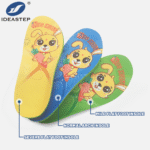
Developing custom molded orthotics for wholesale requires careful coordination between product design, material selection, tooling, and production planning. A prototype may meet the initial design requirements, but moving that design into bulk manufacturing involves additional considerations, including dimensional consistency, production efficiency, and quality control.
For orthotic product distributors, footwear brands, wholesalers, and private-label businesses, the development process should begin with clear specifications and a realistic production plan. Material choices, structural requirements, tooling costs, and minimum order quantities all influence the feasibility of a custom insole project.
This guide covers the main stages of developing custom molded orthotics for wholesale, from defining product specifications to preparing for repeat production orders.

1. Understanding Custom Molded Orthotics in Wholesale Manufacturing
Custom molded orthotics are insoles or orthotic components manufactured to achieve a specified shape, contour, and structural profile. Depending on the design, they may include an arch support section, a shaped heel cup, cushioning layers, or a relatively rigid support shell.
For wholesale manufacturing, customization can extend to material composition, dimensions, hardness, structural features, surface finishes, branding, and packaging. These requirements determine the production method and the level of tooling or process adjustment needed.
Common Structures Used in Custom Molded Orthotics
A molded orthotic insole may combine several functional areas. The arch section defines the intended support profile, while the heel cup establishes the shape and depth of the rearfoot area. Forefoot thickness and flexibility can also be adjusted to meet specific design requirements.
Some constructions use a single molded material, while others combine a structural shell with cushioning layers and a top cover. The final configuration depends on the intended footwear, required mechanical properties, available shoe volume, and target production cost.
For manufacturers and buyers, each component should serve a defined purpose. Additional layers or more complex geometry can increase tooling requirements, processing time, and inspection demands.
Custom Molded Orthotics vs. Standard Orthotic Insoles
Standard orthotic insoles are generally produced using established designs and predefined size ranges. Custom molded orthotics allow greater control over selected design features, including contours, materials, thicknesses, and support structures.
The level of customization varies by project. Some orders involve adjustments to an existing design, while others require new tooling and a dedicated development process. The appropriate approach depends on the buyer’s specifications, order volume, and manufacturing requirements.
Why Customization Matters for Wholesale Buyers
Customization allows brands and distributors to develop product lines for specific footwear categories, market segments, and commercial requirements. It can also support private-label programs that require distinct materials, structures, or product specifications.
Once a design has been approved and its specifications documented, the same reference can be used to manage repeat orders. This provides a clearer basis for production planning and quality checks across different batches.
2. Defining Requirements for Custom Orthotic Insole Development
Before tooling or sampling begins, the buyer and manufacturer need a shared understanding of the product requirements. A complete brief reduces uncertainty during development and helps the manufacturer evaluate materials, production methods, costs, and lead times.
Defining Product Applications and Target Markets
Custom orthotic insoles may be developed for athletic footwear, work shoes, everyday footwear, specialist footwear, or professional foot-care product lines. Each application may require a different balance of structural support, flexibility, cushioning, and material durability.
For example, a design intended for work footwear may prioritize dimensional stability and resistance to repeated loading. A product developed for athletic footwear may require a different combination of flexibility, weight, and cushioning characteristics.
Products intended for diabetic footwear or other medical-related applications may require additional material, labeling, testing, and regulatory considerations. These requirements should be established according to the intended product claims and destination market.
Specifying Arch Profiles, Heel Cups, and Structural Support
Arch height, heel cup depth, shell stiffness, and forefoot thickness are important design parameters. Together, they define the geometry and mechanical behavior of the finished insole.
Buyers should provide technical drawings, reference samples, dimensional requirements, or other suitable design information. If the insole is intended for a particular shoe model, the available internal space and shoe geometry should also be considered.
Descriptions such as soft, medium, or firm can help during early discussions, but measurable specifications are more useful for production control. Where applicable, hardness values, dimensional tolerances, and test methods should be agreed upon before the sample is approved.
Planning Size Ranges and Shoe Compatibility
Size coverage affects tooling, inventory planning, and production scheduling. Some projects require a standard size range, while others involve several product models or different size configurations.
The manufacturer should assess insole length, width, heel geometry, arch position, and other critical dimensions. A design developed for one shoe model may not transfer directly to another because internal space and shape can vary considerably.
Defining the size matrix early helps clarify tooling requirements, sample quantities, and production planning.
3. Selecting Materials for Wholesale Custom Molded Orthotics
Material selection affects product structure, processing requirements, cost, and expected service characteristics. Buyers should evaluate materials according to the intended construction and manufacturing process rather than selecting them by name alone.
EVA, PU, TPU, and PP: Properties and Applications
EVA (ethylene-vinyl acetate) is widely used in insole manufacturing. Depending on the formulation and density, it can be adapted for cushioning, flexible support, and multilayer constructions.
PU (polyurethane) is used in applications requiring cushioning and resilience. Its properties depend on the formulation, density, and processing conditions, so the selected grade should be evaluated against the product specification.
TPU (thermoplastic polyurethane) offers a combination of elasticity, toughness, and processing versatility in suitable grades. It may be incorporated into designs requiring specific structural or flexible characteristics.
PP (polypropylene) is commonly considered for relatively rigid support shells and structural components. Its suitability depends on the required stiffness, component geometry, thickness, and forming method.
These materials are not interchangeable in every application. The final selection should reflect the design requirements, manufacturing capabilities, target cost, and expected performance of the finished product.
Combining Cushioning Layers with Structural Components
Some custom molded orthotics use a single primary material, while others combine a support shell with cushioning layers and a top cover. Each component should be selected according to its role in the overall construction.
A relatively rigid shell may define the support geometry, while softer materials can be incorporated into selected areas. Layer thickness, bonding methods, and material compatibility all influence the finished structure.
For bulk production, manufacturers should also assess whether the proposed construction can be processed consistently. Multilayer designs may require additional bonding steps, more complex assembly, or tighter inspection controls.
Balancing Material Cost and Production Consistency
Material decisions should account for more than the initial purchase price. Density, hardness, processing behavior, waste rates, and supply consistency can all affect the total manufacturing cost.
Buyers should confirm the selected material grade and define any critical properties before approving the final sample. Substituting materials during later production can change the finished product, so proposed changes should be reviewed and approved before implementation.
4. The Development Process for Custom Molded Orthotic Insoles
A structured development process helps convert design requirements into a product that can be manufactured consistently. Each stage should have a clear objective and an agreed basis for approval.
Preparing the Design Brief and Technical Specifications
The process begins with a product brief that may include drawings, reference samples, dimensions, material preferences, size ranges, and intended applications.
The manufacturer reviews the information to assess technical feasibility and identify missing details. Unclear dimensions, conflicting material requirements, or incomplete structural information should be resolved before tooling begins.
The final specification should identify critical dimensions, materials, construction details, surface finish, packaging, and applicable inspection criteria. This document becomes the reference for sampling and subsequent production.
Mold Design, Tooling, and Prototype Development
When a project requires dedicated tooling, the manufacturer develops a mold or forming solution based on the product geometry, material, and production method.
Tooling requirements vary with design complexity and expected order volume. Some projects can use an existing platform with limited modifications, while others require new tooling and a more extensive development process.
Prototype samples allow both parties to assess the design before committing to full production. They also help identify dimensional issues, manufacturing limitations, and areas that need adjustment.
Sample Evaluation and Design Revisions
Samples should be evaluated against the agreed specifications rather than appearance alone. Checks may include overall dimensions, arch contour, heel cup geometry, thickness, hardness, surface finish, and compatibility with the intended footwear.
Feedback should identify the specific area requiring revision and describe the requested change as clearly as possible. Measurements, marked-up drawings, and reference photographs can make technical communication more efficient.
For projects involving several sizes or material variations, the parties should also establish which samples require separate approval before production.
Pilot Production and Pre-Production Approval
A pilot run helps determine whether the approved design can be produced consistently under normal manufacturing conditions. It provides an opportunity to review process stability, material handling, dimensional variation, and inspection procedures.
Before mass production begins, the buyer and manufacturer should confirm the final sample, specifications, packaging details, and quality requirements. Any outstanding changes should be resolved before the production version is released.
5. Scaling Custom Orthotic Insoles for Bulk Orders
Moving from sample development to bulk manufacturing introduces additional demands on production planning. Tooling availability, material supply, size variations, inspection requirements, and delivery schedules must be managed together.
Standardizing Specifications Across Production Batches
Consistent bulk production depends on controlled specifications and documented production requirements. Manufacturing teams should work from the latest approved drawings, material details, and inspection criteria.
Design revisions should be recorded and communicated to the relevant teams. Without version control, different batches may be produced using inconsistent interpretations of the original requirements.
A documented specification also makes repeat orders easier to manage because the approved construction and acceptance criteria remain available as a reference.
Managing Multiple Sizes, Models, and Custom Variants
Wholesale orders often include multiple sizes or product configurations. Depending on the design, different sizes may require separate tooling, adjusted production settings, or additional sample verification.
A size and model matrix should identify each product version, required dimensions, order quantity, and packaging configuration. Shared specifications should be distinguished from model-specific requirements.
This approach helps reduce errors in size allocation, product identification, and production scheduling.
Evaluating MOQ, Tooling Costs, and Production Lead Times
Minimum order quantity (MOQ), tooling costs, and production lead times depend on the design and manufacturing arrangement. New molds may require an initial investment, while material sourcing and production setup can affect the overall schedule.
Buyers should distinguish sample development, tooling preparation, and mass production when reviewing lead times. Each stage may have a different schedule and should be confirmed separately.
Unit prices should be assessed alongside order volume, material consumption, production complexity, packaging, and other project costs. A meaningful quotation should clearly state what is included and identify any additional charges.
Planning Capacity for Repeat Wholesale Orders
Repeat orders require coordination between material availability, production capacity, and delivery commitments. Buyers can support planning by providing reasonable demand forecasts and communicating changes in expected order volumes.
Manufacturers should confirm delivery schedules against actual capacity and material availability. Maintaining approved specifications and a clear revision history also reduces the need to repeat development work for established products.
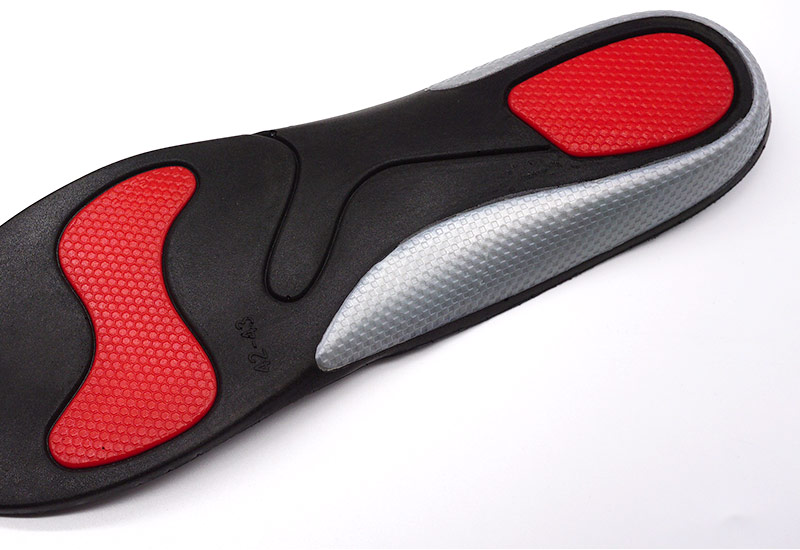
6. Quality Control for Custom Molded Orthotics in Mass Production
Quality control should be integrated into the manufacturing process. Inspection requirements should reflect the product’s materials, structure, intended application, and agreed acceptance criteria.
Checking Dimensions and Structural Consistency
Dimensional inspections may cover length, width, thickness, arch contour, heel cup geometry, and other critical features. Appropriate tolerances should be defined during product development.
Inspection methods should be suitable for the feature being measured. Using consistent methods helps production teams compare results across batches and identify deviations before they affect larger quantities.
Visual comparison alone may not be sufficient when the product has critical dimensions or structural requirements that must remain within specified limits.
Inspecting Materials and Verifying Performance
Material inspections may include hardness, density, surface condition, and other specified properties. Depending on the construction, additional tests may assess compression behavior, resilience, bonding strength, or durability.
Not every product requires the same testing program. The inspection plan should be based on the material, manufacturing process, intended application, and risks associated with the design.
Before production begins, the buyer and manufacturer should agree on applicable test methods, acceptance criteria, and the documentation required to demonstrate conformity.
Managing Appearance, Traceability, and Production Records
Appearance inspections may identify uneven edges, visible bonding defects, surface contamination, or inconsistencies in the finish.
Batch records can link finished products to relevant production information, material lots, and inspection results. These records help investigate quality issues and review differences between production runs.
The appropriate level of traceability depends on the product, contractual requirements, and applicable regulations.
Maintaining Consistency Between Approved Samples and Bulk Production
The approved sample should be supported by written specifications that define the product’s critical characteristics. This reduces the risk of relying on subjective visual comparisons alone.
A quality plan may include incoming material inspection, in-process checks, final inspection, and documented procedures for handling nonconforming products.
Any proposed change to materials, suppliers, tooling, or manufacturing processes should be evaluated before implementation. Where the change may affect product conformity, additional sample approval or testing may be necessary.
7. OEM and ODM Options for Wholesale Custom Orthotic Insoles
OEM and ODM arrangements provide different approaches to custom insole development. The right model depends on the buyer’s existing product specifications, the manufacturer’s development capabilities, and the responsibilities agreed upon by both parties.
OEM Manufacturing Based on Buyer Specifications
Under an OEM arrangement, the buyer generally provides the design, reference sample, or agreed technical specifications. The manufacturer produces the product according to those requirements.
This model suits established brands and distributors that already have a defined product design and need a manufacturing partner for sampling, production, and repeat orders.
Before production, both parties should confirm specifications, quality requirements, tooling responsibilities, order quantities, and procedures for managing future design changes.
ODM Development with Manufacturer Design Support
Under an ODM arrangement, the manufacturer may contribute more directly to product design and development. The buyer outlines the intended application, required characteristics, and commercial objectives, while the manufacturer helps assess materials, construction, and production feasibility.
The scope of design support varies by supplier. Buyers should clarify which development services are available and who is responsible for design approval, testing, and final specifications.
Tooling ownership, intellectual property, confidentiality, and permitted use of the design should also be addressed in the commercial agreement where relevant.
Private Label, Branding, and Packaging Requirements
Wholesale projects may include customized logos, labels, packaging, and product identification. These requirements should be confirmed during development because they can affect artwork approval, packaging procurement, and production schedules.
Buyers should provide brand assets and packaging specifications early in the process. Labeling requirements should also be reviewed for the destination market, particularly when the product is intended for a regulated or medical-related application.
Information Required for a Custom Insole Quotation
A complete quotation request helps the manufacturer assess the project and identify any missing technical information. Buyers should prepare the following details where available:
- Product drawings, reference samples, or existing specifications.
- Intended footwear category and product application.
- Required materials, dimensions, structure, and size range.
- Estimated order quantity and expected reorder frequency.
- Branding, labeling, and packaging requirements.
- Target delivery schedule and destination market.
- Specific testing, documentation, or compliance requirements.
If some technical details are not yet finalized, buyers can begin with the product concept, intended application, and expected order volume. The manufacturer can then identify which decisions need to be resolved before sampling or tooling.
8. Evaluating a Custom Orthotic Insole Manufacturer for Wholesale
Choosing a manufacturing partner involves more than comparing unit prices. Buyers should evaluate development capabilities, production management, quality controls, communication, and the supplier’s ability to support repeat orders.
Product Development and Tooling Capabilities
Buyers should ask how the manufacturer manages design reviews, prototype development, tooling, sample revisions, and pre-production approval.
Experience with similar materials or structures can be useful, but each project still requires a technical feasibility review. A supplier’s existing product range does not automatically establish that every new design can be manufactured without modification.
Production Capacity and Quality Management
Review the manufacturer’s actual production capabilities, available equipment, inspection procedures, and methods for managing nonconforming products.
Where certifications or management system credentials are required, verify their validity and scope. Product testing and regulatory documentation should be assessed against the specific requirements of the product and target market.
Communication, Sampling, and Supply Planning
Clear technical communication helps resolve design issues before they affect production. Buyers should look for documented sample feedback, clear approval procedures, and a defined process for reviewing changes.
For recurring orders, material sourcing, production scheduling, specification control, and delivery commitments become particularly important. These arrangements should be discussed before establishing a long-term supply program.
Comparing Total Project Costs
Quotation comparisons should use the same product specifications and commercial assumptions. Potential costs include tooling, sampling, materials, manufacturing, packaging, inspection, and shipping.
Buyers should confirm which items are included in the quoted price and which are charged separately. The most suitable supplier is one whose technical capabilities, cost structure, quality controls, and production arrangements match the project’s requirements.
9. Frequently Asked Questions About Wholesale Custom Molded Orthotics
What Is the Difference Between Custom Molded Orthotics and Standard Insoles?
Standard insoles generally follow established designs and size ranges, while custom molded orthotics allow selected dimensions, contours, materials, and structural features to be developed according to specific requirements. The available customization depends on the project and manufacturing process.
Can Custom Molded Orthotics Be Manufactured in Bulk?
Yes. Bulk manufacturing is feasible when the design, tooling, materials, and production process are suitable for the required volume. Approved samples, documented specifications, and an appropriate quality control plan help maintain consistency across production batches.
What Information Is Needed to Develop Custom Orthotic Insoles?
Useful information includes drawings or reference samples, intended application, material preferences, dimensions, size range, estimated order quantity, and packaging requirements. Specialized designs may require additional technical information or testing criteria.
How Do MOQ and Tooling Costs Affect Custom Insole Orders?
MOQ reflects the minimum order requirements for a particular product and production arrangement. Tooling costs may apply when dedicated molds or other production tools are required. Both should be evaluated alongside unit pricing, setup requirements, and expected reorder volume.
Can Manufacturers Customize Materials, Sizes, and Packaging?
Available options depend on the manufacturer’s equipment, materials, production methods, and development capabilities. Buyers should confirm the scope of customization during the quotation and sample development stages.
10. Developing Your Wholesale Custom Molded Orthotics Project with Ideastep
Developing custom molded orthotics for wholesale requires coordination between design, material selection, tooling, production planning, and quality control. Clear specifications and an agreed approval process provide a practical foundation for moving from product development to bulk manufacturing.
For brands, distributors, and footwear businesses planning a custom insole project, Ideastep can be contacted to discuss product requirements and potential manufacturing arrangements.
When making an inquiry, provide available drawings or reference samples, target materials, size requirements, estimated order quantity, and branding or packaging details. This information helps establish the project scope and identify the next steps for development and production planning.
Contact Ideastep to discuss your custom orthotic insole requirements, wholesale order plans, and potential OEM or private-label projects.
Related Articles: High-quality custom molded orthotics supply for Shoemaker.