Orthotic insoles vary in shell rigidity, arch geometry, heel cup shape, and material construction. These differences affect manufacturing methods, component assembly, and quality control.
For orthotic wholesalers, footwear manufacturers, and private-label brands, the challenge is to translate product requirements into a structure that can be manufactured consistently at the required volume. Arch contours, shell thickness, cushioning layers, and additional support features must work together within the approved design.
Custom orthotic insole design therefore requires clear technical specifications, practical manufacturing methods, and defined quality standards before bulk production begins.
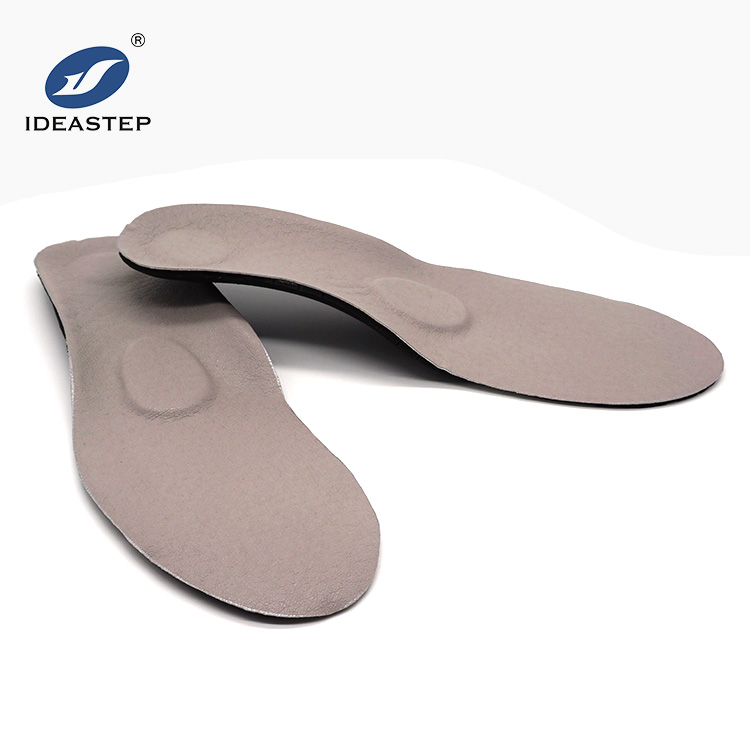
Why Orthotic Insole Structures Differ
Orthotic insoles may use rigid shells, foam-based construction, or combinations of different materials. The appropriate structure depends on the product specification, footwear dimensions, and the intended role of each component.
Shell-Based and Foam-Based Construction
Shell-based designs use a shaped support component as a central part of the structure. Foam-based designs rely on material density, thickness, and layer arrangement. Some products combine both approaches, requiring careful coordination between the shell, cushioning layers, and top cover.
Key Structural Variables
Common design variables include:
- Arch contour, height, and width
- Heel cup depth and shape
- Shell rigidity and thickness
- Full-length or three-quarter-length construction
- Wedge position and angle
- Foam density and layer thickness
These features are interconnected. A change in shell thickness may affect total insole height, while a revised heel cup can require adjustments to adjacent components. Reviewing these relationships early helps reduce unnecessary sample revisions.
Key Structural Details in Custom Orthotic Insole Design
Arch Geometry and Shell Contour
Arch design involves more than choosing a low, medium, or high profile. Its length, width, curvature, and transition into surrounding areas all influence the finished shape.
Buyers should provide technical drawings, CAD files, or reference samples where possible. Key dimensions and reference points should be documented so the manufacturer can interpret the design consistently.
Heel Cup Dimensions and Edge Profile
Heel cup depth, width, contour, and wall thickness affect the rearfoot structure. These dimensions should be reviewed alongside total insole thickness and the available space within the target footwear.
For bulk orders, the approved heel cup profile should form part of the production specification rather than relying on visual interpretation alone.
Rigid, Semi-Rigid, and Flexible Shells
Shell rigidity influences material selection and processing requirements. Polypropylene (PP) is commonly used in rigid orthotic shell applications, while TPU may suit selected rigid or semi-rigid designs depending on the material grade and product specifications.
Material selection should account for the required geometry, thickness, stiffness, and manufacturing method. Specifying a material name alone may not provide enough information to reproduce the intended structure.
Full-Length and Three-Quarter-Length Designs
Insole length affects the position of the shell, cushioning layers, and finished edges. Three-quarter-length designs require attention to the front termination point, while full-length products need consistent alignment across the forefoot.
Buyers should confirm overall length, size range, and layer construction before approving the sample.
Wedges and Additional Structural Features
Some designs include medial or lateral wedges, metatarsal support elements, or localized changes in thickness. These features require clear specifications for position, dimensions, and integration with the main structure.
Annotated drawings or reference samples help reduce differences in interpretation during development and production.
Selecting Materials for the Required Structure
Material decisions should follow the structural requirements and manufacturing process. The aim is to meet the approved specification while keeping assembly and bulk production practical.
PP and TPU Support Shells
PP and TPU are used in different orthotic shell constructions, but they are not automatically interchangeable. Their properties and processing characteristics vary, so the choice should reflect the required shape, thickness, stiffness, and forming method.
Buyers and manufacturers should confirm the material and key shell dimensions before sampling. This creates a consistent basis for evaluating the finished component and planning repeat orders.
EVA Foam Components
EVA foam is available in different densities, hardness levels, and thicknesses. It can be used in base layers, cushioning sections, wedges, and other insole components.
For multilayer products, each foam layer should have a defined position and specification. When multiple densities are used, the bonding and assembly process should also be confirmed.
Multilayer Construction and Component Compatibility
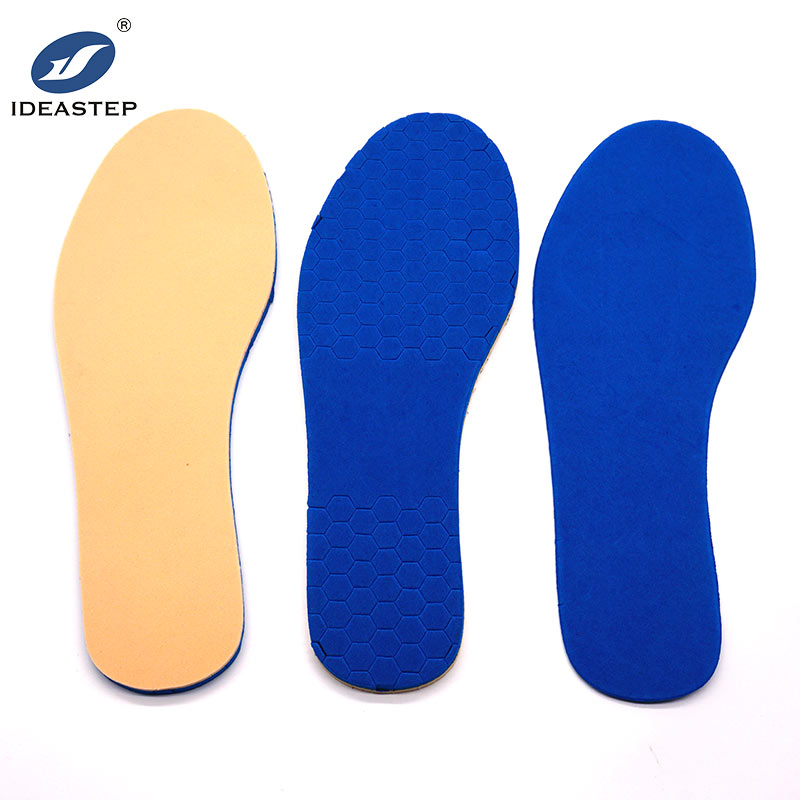
A multilayer orthotic insole may combine a support shell, EVA foam, cushioning materials, and a fabric top cover. Key checks include total thickness, individual layer dimensions, bonding compatibility, shell coverage, and edge alignment.
Changes to one component may affect the complete assembly, so the construction should be reviewed as a whole before production.
Manufacturing Methods for Complex Orthotic Structures
The manufacturing route depends on the design geometry, material properties, tooling requirements, and production quantity. A suitable design must also be practical to manufacture repeatedly.
CAD/CAM and CNC Milling
CAD/CAM systems translate design geometry into manufacturing data, while CNC milling shapes suitable materials according to the approved dimensions and contours.
Before machining, the manufacturer should confirm the correct file revision, material dimensions, reference points, and tolerances. Documenting approved changes helps prevent outdated design data from entering production.
Thermoforming and Shell Shaping
Thermoforming shapes suitable thermoplastic materials using heat, forming equipment, and appropriate tooling. The result depends on material selection, shell geometry, and process control.
Samples should be checked for dimensional accuracy, shape, and consistency with the approved design. Documented processing parameters and an approved sample can also support repeat production.
Lamination, Bonding, and Final Assembly
Assembly brings the shell, foam layers, top cover, and other components together. Material preparation, bonding, alignment, trimming, and finishing all affect the final product.
Inspection should cover the completed insole as well as its individual components. Even when a shell meets its dimensional requirements, the assembled product may still fall outside the specified total thickness or outline.
Sample Approval Before Bulk Production
What to Check in the First Sample
The first sample should be compared with the approved drawing, reference sample, or technical specification. Depending on the design, checks may include:
- Overall length, width, and thickness
- Arch contour and heel cup dimensions
- Shell material and rigidity
- Wedge position and additional features
- Layer alignment and bonding quality
- Edge finish and general workmanship
For multi-size orders, buyers should also confirm the dimensional requirements for each size. Approval of one size does not automatically verify the entire range.
Managing Revisions and Approval
Feedback should identify the specific feature that needs adjustment. The manufacturer can then assess whether the revision affects other dimensions, material selection, or processing methods.
Once the sample is approved, the final drawing, material specifications, and sample reference should be retained for bulk production and future repeat orders.
Quality Control for Bulk Orthotic Insole Production
Dimensional and Structural Checks
Inspection criteria should cover the dimensions that define the product, such as overall length, width, thickness, shell contour, heel cup geometry, and the position of additional features.
Each size should have an appropriate dimensional reference and agreed tolerances. This helps prevent the same measurements from being incorrectly applied across an entire size range.
Material and Bonding Inspection
Material checks confirm that the specified components are used. Bonding inspections should identify separation, misalignment, and other defects outside the agreed acceptance criteria.
Where particular material grades or testing requirements apply, they should be documented before production begins.
Maintaining Consistency Between Orders
Repeat production relies on approved drawings, material specifications, sample references, and inspection records. Changes to materials, tooling, or processing should be reviewed before implementation because they may affect the finished structure.
Cost and Production Planning
Factors That Affect Manufacturing Cost
Structural complexity can influence material usage, tooling, processing time, assembly work, and inspection requirements. Cost factors may include:
- Shell geometry and material specifications
- Number of layers and component types
- Tooling and sample development
- Additional features and finishing operations
- Order quantity, size range, and packaging
Quotations are more reliable when based on confirmed dimensions, materials, construction details, and order quantities.
MOQ and Production Scheduling
Minimum order quantities depend on the product, material sourcing, tooling, and manufacturing method. Projects using established components may have different requirements from those involving new tooling or complex assembly.
Buyers should share the expected quantity, size distribution, packaging requirements, and anticipated reorder volume to help the manufacturer assess production planning.
Information Needed for a Quotation
Where available, buyers should provide:
- Product type and intended application
- Technical drawing, CAD file, or reference sample
- Size range and dimensional requirements
- Shell material and structural specifications
- Foam details and layer arrangement
- Additional features, finishing, and packaging requirements
- Estimated order quantity
If some details are still under development, buyers can share the confirmed information first and identify the items that need further discussion.
Choosing a Manufacturing Partner
Design and Production Capabilities
Buyers should assess the manufacturer’s experience with the required shell materials, foam components, machining, thermoforming, and assembly processes.
It is also useful to understand how the supplier manages technical drawings, sample revisions, size grading, and the transition from sample approval to bulk production.
Technical Communication and Quality Management
Clear communication helps resolve missing specifications before manufacturing begins. A suitable supplier should be able to discuss production constraints, explain the effect of design changes, and document approved requirements.
For ongoing supply projects, material-change controls and consistent inspection procedures are also important.
FAQs About Custom Orthotic Insole Design
What information is needed to develop a custom orthotic insole?
A reference sample, drawing, or CAD file is useful, together with the required dimensions, shell material, rigidity, layer arrangement, size range, and estimated order quantity. Unconfirmed details can be reviewed during technical discussions.
Can PP and TPU be used for the same orthotic shell design?
Not without evaluating the material and process requirements. Differences in material properties may affect stiffness, forming, and finished dimensions. The proposed material should be confirmed through technical review and sampling.
Should complex orthotic insoles be sampled before bulk production?
Sampling helps verify shell geometry, material combinations, assembly details, and dimensions before the production specification is finalized.
How can dimensional consistency be maintained across different sizes?
Each size should have documented dimensions, acceptable tolerances, and suitable inspection criteria. Approved drawings and sample references should remain available to production and quality teams.
Discuss Your Orthotic Insole Project with Ideastep
Every orthotic insole project has its own structural requirements, material choices, and production constraints. Clarifying these details early can make sample development more efficient and provide a clearer basis for bulk production.
If you are sourcing orthotic insoles for wholesale or developing a new product, you are welcome to share your drawings, reference sample, current specifications, or estimated order quantity with our team. We can review the information together and discuss the details that need to be confirmed before sampling or production.
If your design is still being finalized, you do not need to have every specification ready. Start with the information currently available, and we can discuss the next steps based on your project requirements.
Contact Ideastep to discuss your orthotic insole project.
Recommended Reading:
Wholesale EVA Insole Custom Cushioned Shoe Inserts Bulk Supplier
Advanced Insole Customization Technologies: A Data-Driven Approach to Modern Orthotic Insole Manufacturing