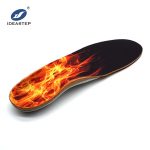
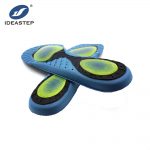
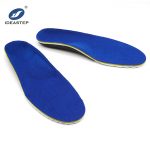
Footwear brands, podiatry distributors and therapeutic footwear teams often underestimate what goes into custom orthopedic inserts development. A prototype that feels and performs well in small runs can fall apart at scale, without thoughtful biomechanical review, material validation and tight production oversight. We work alongside B2B partners through the full development lifecycle, turning rough product concepts into consistent, saleable bulk inventory.

Common development risks that delay orthopedic insert launches
Most project delays and extra costs trace back to misalignment at the very start. Loose functional requirements, unproven material combinations, poor fit with target shoe lasts, or missed regional compliance rules all lead to endless sample revisions.
Orthopedic inserts are not standard comfort insoles. Their support geometry must hit specific biomechanical targets, and material performance has to stay consistent batch after batch. A structured workflow catches these constraints early, before you invest in tooling or large production commitments.
Phase 1: Concept review and technical feasibility assessment
We kick off every project with a clear requirements audit. We talk through intended use cases, the biomechanical outcomes you want to achieve, space limits inside your chosen footwear, target price points and compliance rules for the markets you sell into.
Our engineering team maps out hard constraints: minimum and maximum insert thickness, shell rigidity, compression and shear limits, plus the documentation your clinical or therapeutic channels will demand. You get a straightforward feasibility summary, with practical material directions and a clear view of what extra testing the design may need.
Phase 2: Biomechanical modelling and prototype development
Once the brief is locked in, we build geometry around load zones, arch stiffness and heel cup containment. We can work from last files, physical shoe samples, foot scan data or your own technical drawings, whatever you have on hand.
We turn out rapid prototypes to test fit and core function. 3D printed and CNC milled iterations let us check contours, edge clearance and support behaviour before you spend on moulds. This weeds out unworkable geometry early and narrows the design before formal sampling begins.
Phase 3: Sample iteration, performance validation and golden sample sign-off
Prototypes move to functional sampling using production-grade substrates and surface finishes. Each revised sample is checked for dimensional stability, compression set, slip resistance and skin safety. For clinical-focused lines, we add pressure distribution testing into this validation stage.
We also fit samples into your target shoe styles to confirm they sit correctly without crowding the toe box. Only once fit, function and appearance all meet your specs do we lock the golden sample — the single reference standard we follow for all later production.
Phase 4: Production engineering, compliance documentation and process setup
With the golden sample approved, we pick the best manufacturing route: compression moulding, layered lamination or precision cutting, matched to your order volume and tolerance needs. We build in-line QC checkpoints and define clear measurement tolerances in the production spec sheet.
We set up material batch traceability and compile test reports for your target markets. All design files, geometry data and project details stay protected under NDA for partners launching proprietary therapeutic or branded insert designs.
Phase 5: Pre-production trial, bulk manufacturing and ongoing version control
We always run a pre-production trial before full bulk release. This smaller test run confirms line consistency, flags mould drift or material lot variation, and makes sure finished parts match your signed sample. Any tweaks get locked in before the main order goes ahead.
Mass production follows with regular dimensional checks and final batch inspection. We accommodate staggered delivery schedules and keep full records of each approved specification. If feedback from clinics or end markets calls for geometry changes, we roll out controlled version updates without disrupting your existing SKU stock.
Our development advantage for orthopedic insert partners
We handle biomechanical R&D and manufacturing in-house, rather than passing design and fabrication to separate vendors. That cuts down on miscommunication and keeps your original design intent intact as you scale.
Our workflow works for both low-volume clinical launches and larger footwear brand rollouts. We supply the technical documentation your distributors and clinic buyers will ask for, and point out compliance gaps before they block market access.
Frequently asked questions
What is the typical timeline from concept to bulk-ready samples?
Lead times shift based on testing scope and geometry complexity. Most standard projects finish feasibility work, prototyping and golden sample approval in 4–8 weeks. Clinical variants needing deeper performance validation take longer.
Can we start development without 3D scan or last files?
Yes. Physical shoe samples, reference inserts and written performance requirements are enough to start. We capture the necessary dimensions and build usable geometry for sampling.
What testing is included during development?
Base validation covers dimensional consistency, compression resistance, surface friction and material safety. Clinical orthopedic lines add pressure mapping and biomechanical assessment, as required by your project scope.
Do you support phased bulk orders after launch?
We regularly arrange replenishment runs around your sales cycle. This lets you scale gradually instead of committing to one large initial production batch.
Are design files and insert geometries kept confidential?
NDAs are available for all custom orthopedic development work. We never reuse exclusive biomechanical profiles for other customer projects.
Discuss your orthopedic insert development roadmap
If you’re ready to turn your concept into market-ready orthopedic inserts, share your project scope, target channels and any reference samples or last data you have.
We’ll put together a practical development roadmap laying out feasibility checks, testing milestones, sampling costs and scaling options aligned to your launch timeline. Our orthotic engineering team surfaces technical and compliance risks upfront, so you can plan budgets and lead times with clarity.
Send your project brief through our contact form, and our development specialist will reach out to walk through the next steps.
Related Reading:
Custom Orthopedic Inserts That Help Footwear Brands Stand Out in a Crowded Market
Beyond Standard Insoles: How Custom Orthopedic Inserts Meet Changing Market Demands